
JetBlue flight reports drone strike near JFK
Pilot tells air traffic control impact occurred above cockpit on final approach, inspection finds no visible damage
Images
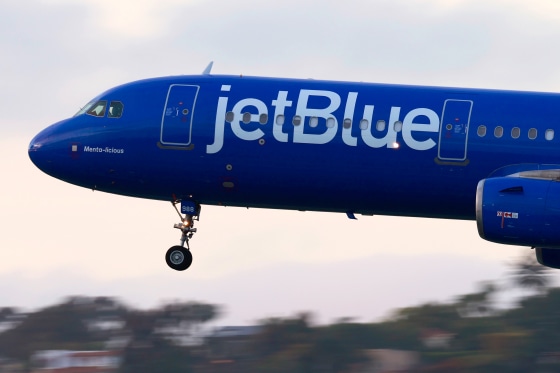 A JetBlue Airways Airbus A321 airplane approaches San Diego International Airport
nbcnews.com
A JetBlue Airways Airbus A321 airplane approaches San Diego International Airport
nbcnews.com
 nbcnews.com
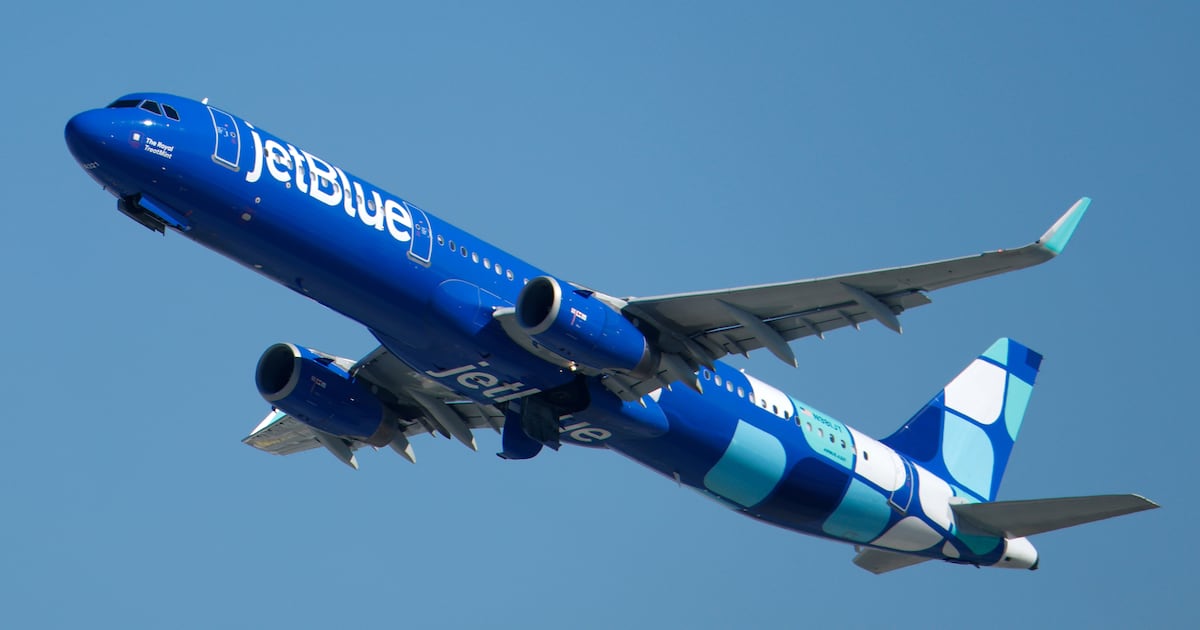 JetBlue Pilot Says Plane Has Collided With Drone at Major Airport
thedailybeast.com
JetBlue Pilot Says Plane Has Collided With Drone at Major Airport
thedailybeast.com
JetBlue flight reports drone collision on approach to JFK Airport, FAA opens investigation after pilot says impact occurred near cockpit at 3,000 feet, post-landing inspection finds no visible damage.
The incident happened Monday morning as the Las Vegas-to-New York flight was turning onto final approach, according to NBC News, citing air traffic control audio and an FAA statement. The pilot told controllers the aircraft had “collided with a drone” and later added it struck “right above the cockpit.” The plane landed normally, passengers deplaned, and JetBlue removed the aircraft from service for inspection.
That sequence—an in-flight report, a routine landing, and an inspection that turns up no obvious damage—captures the practical problem regulators face. A drone can be small enough to leave little trace yet still pose a risk if it hits a windshield, a sensor, or an engine intake. The FAA notes that drones are generally allowed to fly under 400 feet, but the reported altitude was far higher, and the encounter occurred close to one of the world’s busiest airports.
The volume of near-airport drone activity has become an administrative grind as much as a safety challenge. The Daily Beast points to FAA language warning that operating drones around aircraft and airports is dangerous and illegal, and cites a recent near miss involving a United Airlines flight landing at Newark. The FAA also receives roughly 100 reports of drone sightings near airports each month, turning enforcement into a numbers game: most sightings are fleeting, attribution is difficult, and the operator is often gone before anyone arrives.
Airports and airlines bear the immediate cost of disruption—ground stops, diversions, inspections, and aircraft taken out of service—while the drone operator, if unidentified, bears none. Even when rules exist, the system depends on catching a person with a controller in hand, in real time, near restricted airspace. Meanwhile, consumer drones keep improving, flying farther and more reliably, and the airspace around major hubs remains crowded with aircraft that cannot simply “try again” if something goes wrong.
JetBlue says there was no evidence of a collision after inspection. The FAA is still treating the pilot’s report as an incident worth investigating.