
Trump says US and Iran hold Doha talks Tuesday
Iran denies technical meetings are scheduled, Hormuz shipping rules and frozen assets drive the timetable
Images
 nbcnews.com
 nbcnews.com
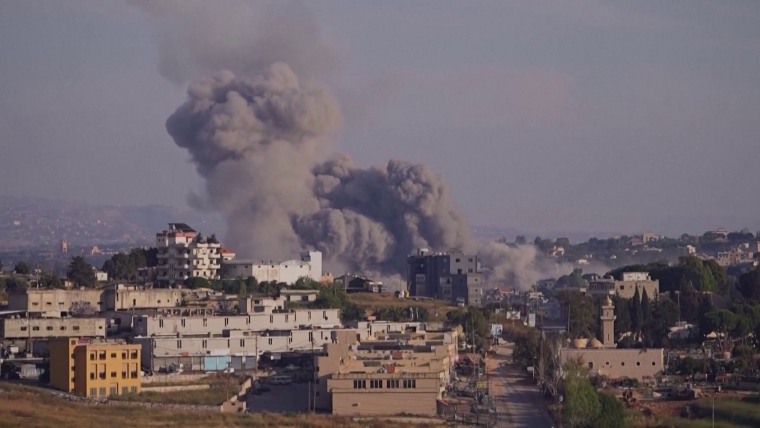
U.S. President Donald Trump said the United States would hold new talks with Iran in Doha on Tuesday, after a weekend of reciprocal strikes around the Strait of Hormuz threatened to unravel an interim deal meant to halt the war. Trump wrote on Truth Social that Iran had requested the meeting, while NBC News reported there was no immediate public confirmation from Tehran and a senior Iranian official denied that any technical discussions were scheduled.
According to NBC News, a source with knowledge of the process said technical teams working on implementation of the initial U.S.-Iran agreement were expected to meet in Doha in the coming days, and that de-escalation channels set up between the two sides remained active. The immediate trigger for the latest flare-up was the attempt to reopen Hormuz shipping without Iranian oversight, an issue that has turned the world’s most important oil chokepoint into both battlefield and bargaining chip. NBC reports that Iran has warned it would halt negotiations entirely if U.S. attacks continued, even as Washington said it struck targets in Iran in response to what it called continued aggression against commercial shipping.
The dispute has also become a fight over paperwork and control: the interim agreement is tied to the unfreezing of billions of dollars in Iranian assets and to rules for maritime traffic through Hormuz. NBC says a new UN-backed route near Oman for inbound and outbound traffic was established, increasing the number of ships using the strait last week; Iran considers the route unacceptable and responded with attacks meant to reassert its leverage. Iranian state media quoted senior negotiator Kazem Gharibabadi rejecting reports that talks were scheduled, while saying consultations with Qatar on follow-up steps were continuing “as usual.” At the same time, Iranian President Masoud Pezeshkian praised the interim agreement as a “great victory,” saying it would result in $6 billion in frozen assets being released by Qatar, according to IRNA.
For Gulf states and shipping firms, the pattern is familiar: the security of a global trade artery depends on decisions made in Washington and Tehran, while the immediate costs—disrupted routes, higher insurance, and the risk of strikes on nearby territory—are paid locally. For the negotiators, the incentive is to keep the process alive even when the facts on the water do not cooperate, because the alternative is admitting that the ceasefire is not a ceasefire. The weekend’s exchanges showed how quickly “implementation” can turn back into escalation when the next convoy of tankers needs to move.
Trump’s post framed Doha as a meeting Iran requested. Iran’s public line, for now, is that no such talks have been confirmed.