
Northern Ireland resident doctors strike over pay
Health minister cites lack of agreed budget, staffing exits turn wage restraint into service cancellations
Images
 Dr David Farren said doctors were either burning out or leaving Northern Ireland, and described it as an "existential threat to our health service"
bbc.com
Dr David Farren said doctors were either burning out or leaving Northern Ireland, and described it as an "existential threat to our health service"
bbc.com
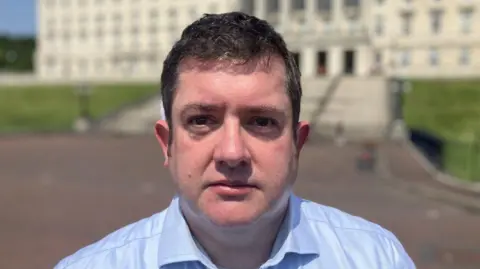 Dr David Farren said doctors were either burning out or leaving Northern Ireland, and described it as an "existential threat to our health service"
bbc.com
Dr David Farren said doctors were either burning out or leaving Northern Ireland, and described it as an "existential threat to our health service"
bbc.com
 The Health Minister Mike Nesbitt said if he could pay the doctors more than 3.5% then he would "be very happy to do so"
bbc.com
The Health Minister Mike Nesbitt said if he could pay the doctors more than 3.5% then he would "be very happy to do so"
bbc.com
Resident doctors in Northern Ireland began a 24-hour walkout on Monday morning, the latest escalation in a pay dispute that has already pulled consultants and other senior doctors onto picket lines. According to the BBC, the action runs from 07:00 BST to 06:59 BST the next day and follows last week’s first-ever strike by consultants and specialist doctors in the region. Northern Ireland’s health minister, Mike Nesbitt, says he remains committed to implementing this year’s pay award but cannot do so without an agreed budget.
The immediate conflict is a rejected pay recommendation: the British Medical Association (BMA) says resident doctors voted for strike action after turning down a suggested 3.5% uplift from an independent pay body. The BMA is also framing the dispute as cumulative: doctors cite nearly two decades of pay erosion, and they argue that better pay and conditions abroad are drawing staff away. In practice, that turns a wage negotiation into a staffing problem. When trained clinicians can move to other health systems, the cost of holding down pay does not disappear; it shows up as rota gaps, burnout, and higher reliance on temporary cover.
The minister’s public constraint is that any settlement above the review body’s figure would ripple through the rest of the public sector. Nesbitt has warned that exceeding the recommended uplift would have “significant repercussions” for nurses, teachers, police officers and others, a reminder that public pay deals are rarely negotiated in isolation. That linkage is also what makes the dispute hard to contain: once one group is seen to break the ceiling, every other workforce has an incentive to try.
The mechanics of the strike underline how health services ration risk when staffing becomes a bargaining chip. The BMA’s consultants committee chairman, Dr David Farren, told the BBC the resident doctor action would be a full walkout, unlike the previous strike which included Christmas Day cover. Consultants and specialist doctors are adjusting daily activities to prioritise emergency and urgent care, while elective work absorbs the cancellations. This is how a system with fixed budgets protects its most visible outcomes first, and lets waiting lists carry the rest.
Picket lines were reported at major hospitals including the Royal Victoria Hospital in Belfast, Craigavon Area Hospital, and Altnagelvin Hospital in Londonderry. The strike’s length is measured in hours, but the dispute is being priced in departures: the BMA says the region’s doctors are among the lowest paid in the UK, and that attempts at pay parity have failed.
By Tuesday morning, the walkout is scheduled to end. The budget gap it is protesting will still be there.