
Costa Rica welfare system strains under waiting lists and pension math
IMF warns social security reserves could run out in mid-2030s, patients get appointments years away
Images
 The engine of Costa Rica’s welfare system is in intensive care
english.elpais.com
The engine of Costa Rica’s welfare system is in intensive care
english.elpais.com
Costa Rica’s Social Security Fund—the Caja, the institution that runs public clinics, hospitals and the main pension system—has become the country’s most contested piece of infrastructure. El País reports that the Caja’s health system is buckling under overcrowding and long queues, while an International Monetary Fund report warns that without reforms the main pension scheme could exhaust its reserves by the mid-2030s.
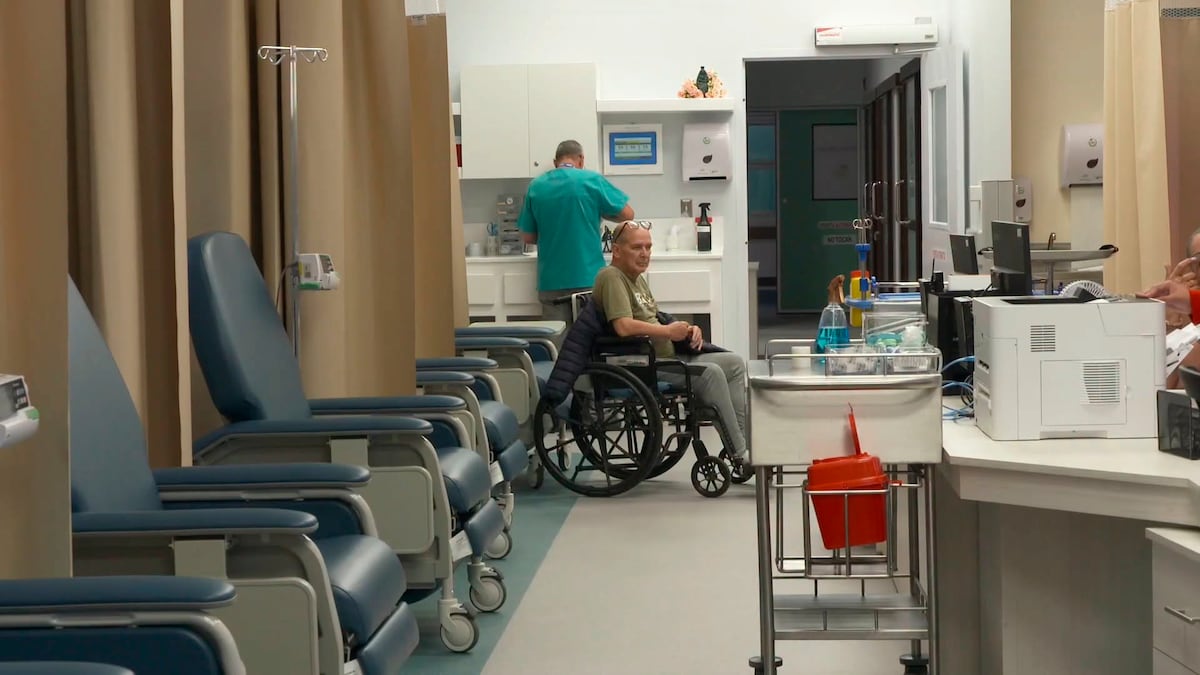
At Calderón Guardia Hospital in San José, El País describes a system where demand is visible in calendars rather than headlines. One cancer patient travelling weekly from Limón was given an appointment for a scan scheduled years ahead. Nationally, the waiting list for radiological procedures exceeds 631,000 cases, with average waits for some tests measured in more than a year; surgical waiting lists run into the hundreds of thousands, and general surgery waits at the same hospital average around two years.
The Caja is not a small side program. Its budget exceeds 13.3% of GDP, according to El País, and it employs more than 35,000 health workers. That scale turns every policy tweak into a labour dispute and every bottleneck into a fiscal question. The paper reports that many specialist doctors have resigned in recent years after changes to salary scales—an administrative decision that translates directly into fewer procedures performed, longer queues, and a louder political argument about whether the institution is being starved or simply mismanaged.
The pension side carries its own arithmetic. Costa Rica’s life expectancy is over 80, which is a triumph until the contribution base fails to keep up with the years of payouts. El País notes growing anxiety among younger and middle-aged workers about whether the Disability, Old Age and Death pension system (IVM) will be there for them. The IMF’s warning about reserves running out does not depend on ideology; it depends on how many contributors are paying in, how benefits are indexed, and how long retirees collect.
The second-order effects are already visible in behaviour. When appointments slip into the next decade, households that can afford it move procedures to the private sector; those who cannot wait, improvise, delay, or travel. An operation that would cost up to 10 million colones in private care, El País reports, is precisely the kind of bill the Caja is meant to absorb—until capacity constraints turn universal coverage into rationing by time.
In San José, the hospital corridors are full, and the most important dates in the system are no longer birthdays or retirement ages, but the year printed on a scan appointment.