
Pakistan launches border ground operation
Officials say calibrated strikes kill 29 militants near Afghanistan, Karachi attack tightens the loop between urban targets and frontier sanctuaries
Images
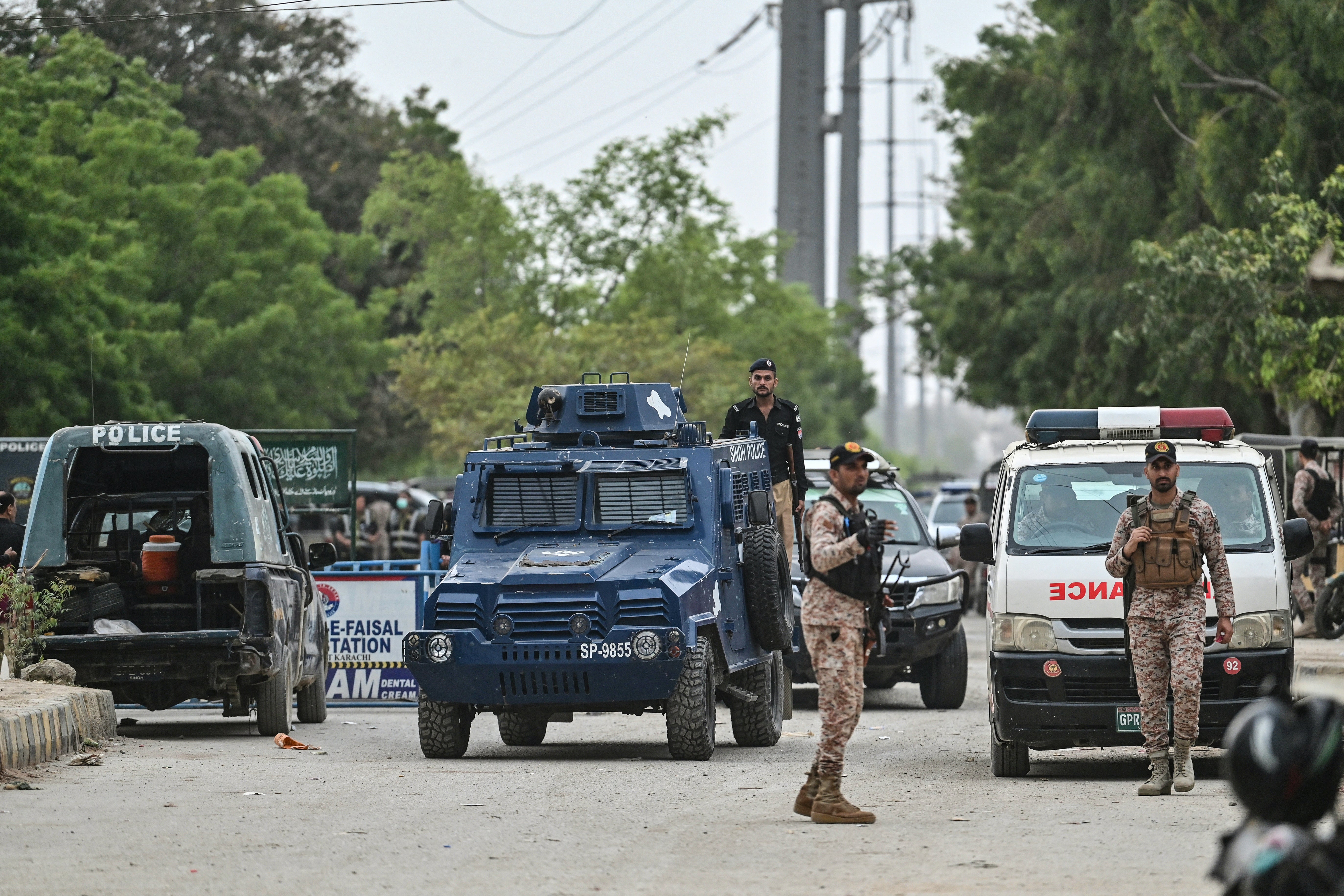 The military action comes a day after militants armed with guns and explosives targeted the regional headquarters of the paramilitary Rangers in the southern port city of Karachi, killing three soldiers (AFP/Getty)
AFP/Getty
The military action comes a day after militants armed with guns and explosives targeted the regional headquarters of the paramilitary Rangers in the southern port city of Karachi, killing three soldiers (AFP/Getty)
AFP/Getty
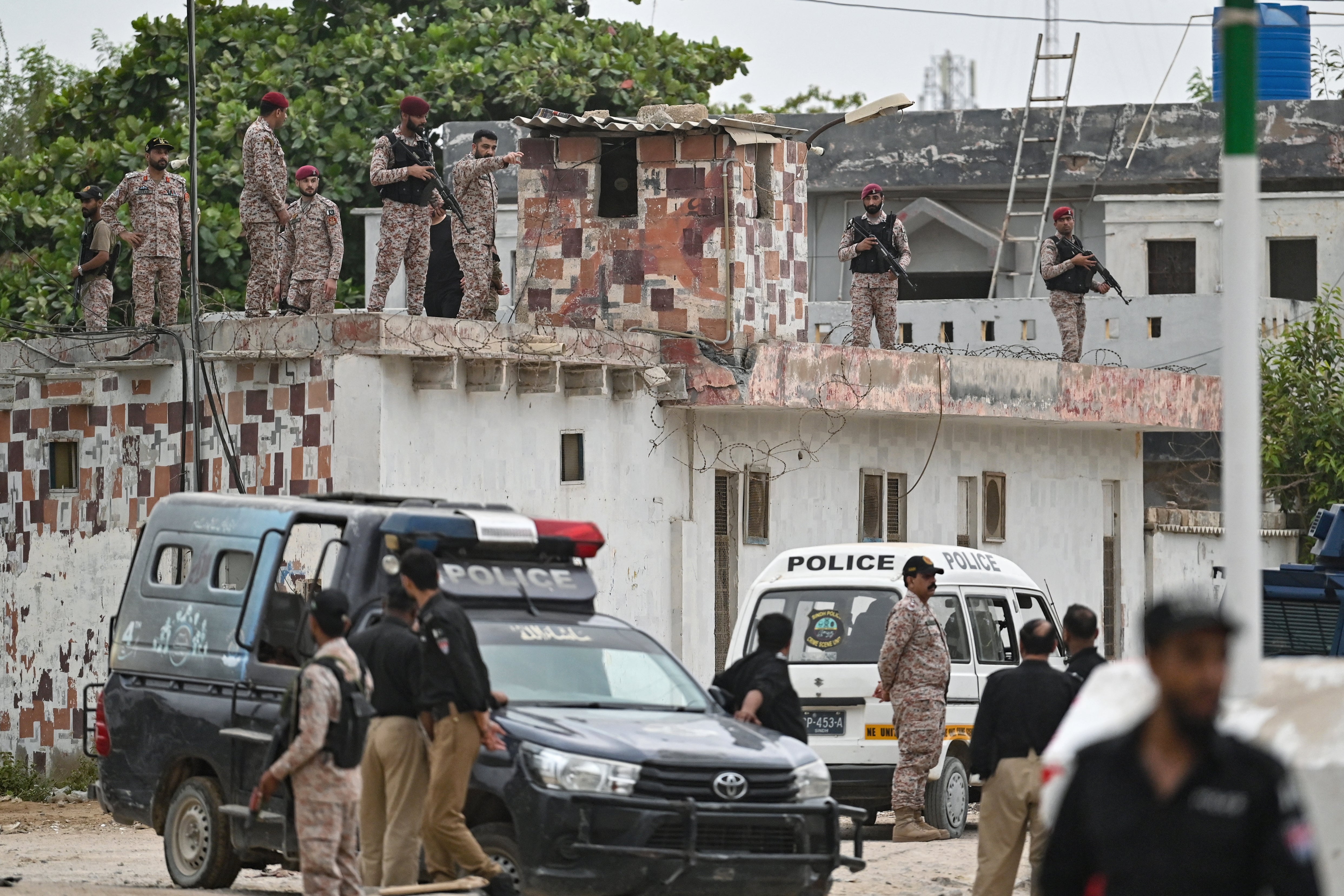 Jamaat-ul-Ahrar, a breakaway faction of the Pakistani Taliban, claimed responsibility for the Karachi attack (AFP/Getty)
AFP/Getty
Jamaat-ul-Ahrar, a breakaway faction of the Pakistani Taliban, claimed responsibility for the Karachi attack (AFP/Getty)
AFP/Getty
Pakistani security forces carried out a ground operation along the Afghanistan border on Sunday, followed by what officials called “calibrated strikes” on militant hideouts that they said killed 29 fighters. The action came a day after an attack on the regional headquarters of the paramilitary Rangers in Karachi left three soldiers dead, according to The Independent. Information minister Attaullah Tarar said on X that the border operation was launched in response to multiple militant attacks across Pakistan.
The sequence matters because it ties a high-profile strike in Pakistan’s largest city to a familiar claim from Islamabad: that violence inside Pakistan is being planned and supported from across the frontier. Pakistani authorities routinely blame the Tehrik-e-Taliban Pakistan (TTP) and allied groups for attacks on police and security forces, and say the Afghan Taliban government harbors them—an accusation Kabul denies. When attacks occur in Karachi, far from the mountainous borderlands where the TTP is usually discussed, the political pressure to show reach and retaliation rises, and the military response tends to be visible and immediate.
That visibility is also part of why the border is so combustible. Pakistan’s operation took place less than three weeks after the military launched airstrikes on militant hideouts in Afghanistan, The Independent reports, and after months of tit-for-tat action between the two countries. Officials have described an “open war” period, followed by about a month of relative calm, before the latest escalation. Hundreds of people have been killed in cross-border fighting since February, according to the report, and multiple rounds of internationally mediated talks have failed to secure a lasting ceasefire.
China has tried to play convenor. It hosted talks between Pakistan and Afghanistan in April, later saying the two sides agreed not to escalate and to explore a solution. But the practical problem on the ground is that the Afghan Taliban and the Pakistani Taliban are separate organizations while remaining allies, and Pakistan’s domestic security costs are paid in dead soldiers and targeted police stations. When the state is attacked, it has strong reasons to treat “safe havens” as an operational category rather than a diplomatic one.
In Karachi, Jamaat-ul-Ahrar—a breakaway faction of the Pakistani Taliban—claimed responsibility for the Rangers headquarters attack. Pakistan’s military said one suspect arrested during that incident was an injured Afghan national.
On Sunday, Islamabad answered with a border operation and strikes, and Kabul had not issued an immediate response.