
Ukraine strikes Russian oil refineries, Zelenskyy says attacks hit facilities in Krasnodar Krai and Yaroslavl region
Fuel and air-defence burdens spread far from the front
Images
 Ukrainian forces strike two oil refineries in Russia
euronews.com
Ukrainian forces strike two oil refineries in Russia
euronews.com
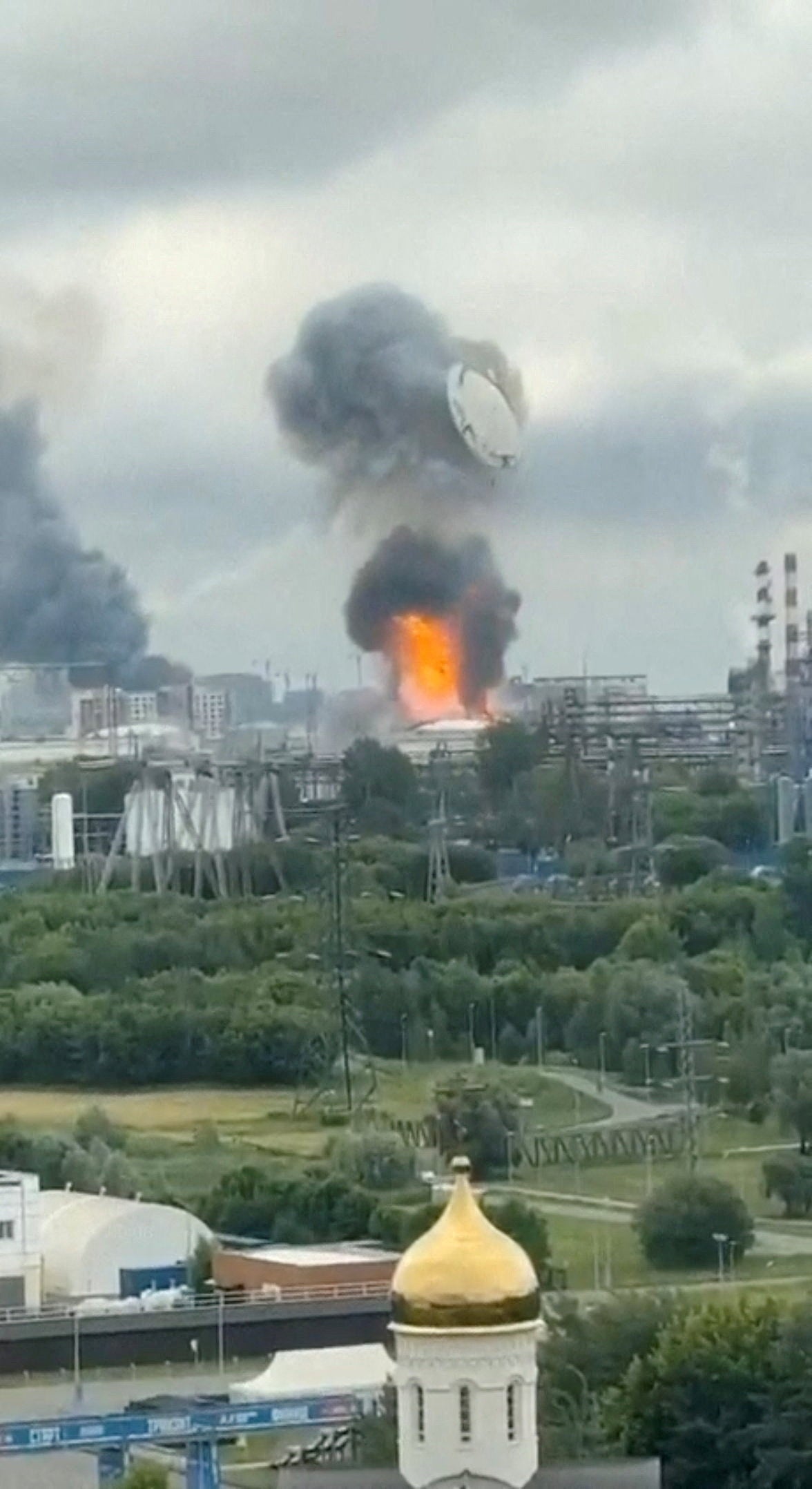 Footage of a Moscow oil refinery exploding underscored Ukraine's growing long-range drone campaign (Reuters)
Reuters
Footage of a Moscow oil refinery exploding underscored Ukraine's growing long-range drone campaign (Reuters)
Reuters
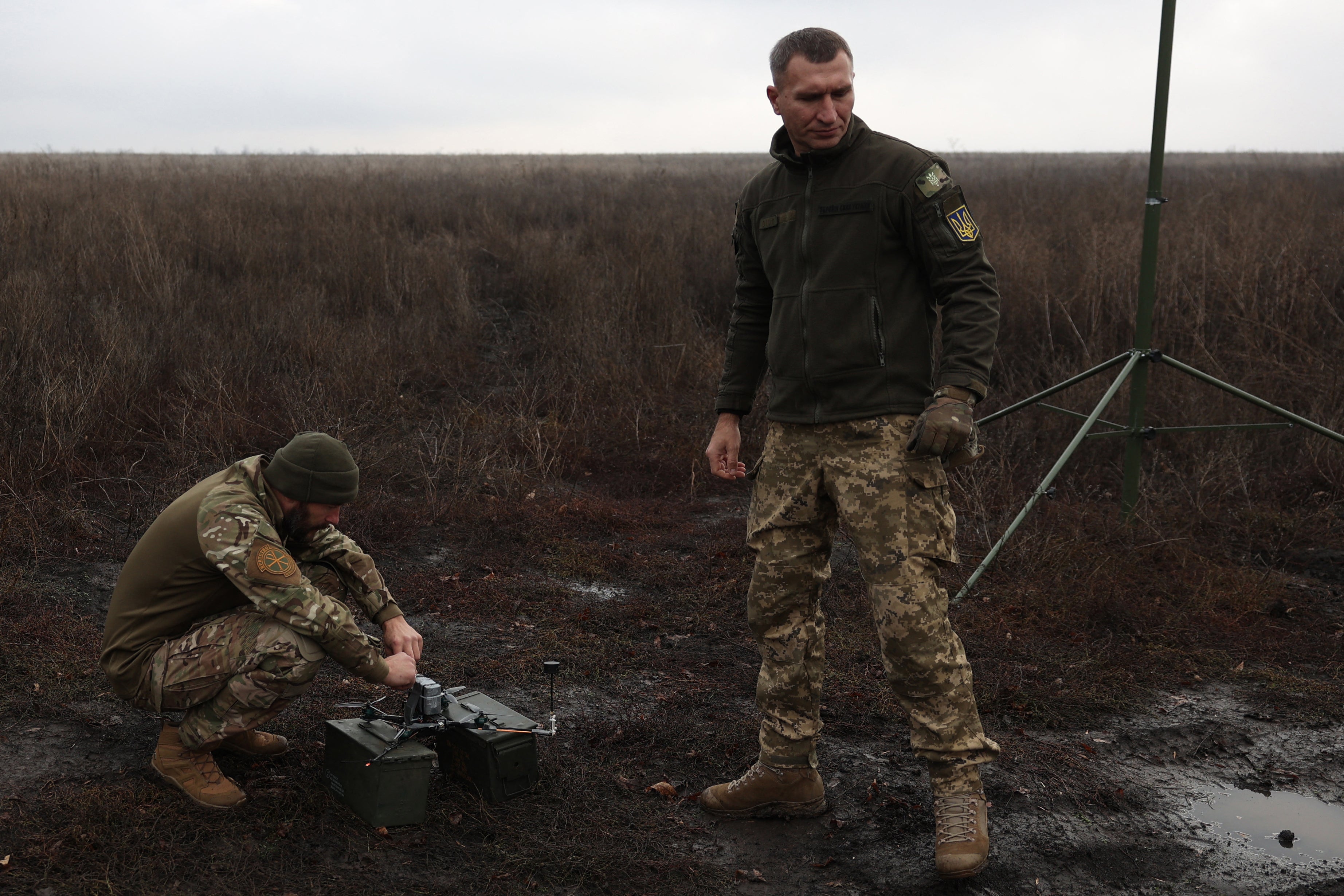 Ukraine's use of drones has changed dramatically since the start of the war (pictured: operators in Donetsk in November 2023) (AFP/Getty)
AFP/Getty
Ukraine's use of drones has changed dramatically since the start of the war (pictured: operators in Donetsk in November 2023) (AFP/Getty)
AFP/Getty
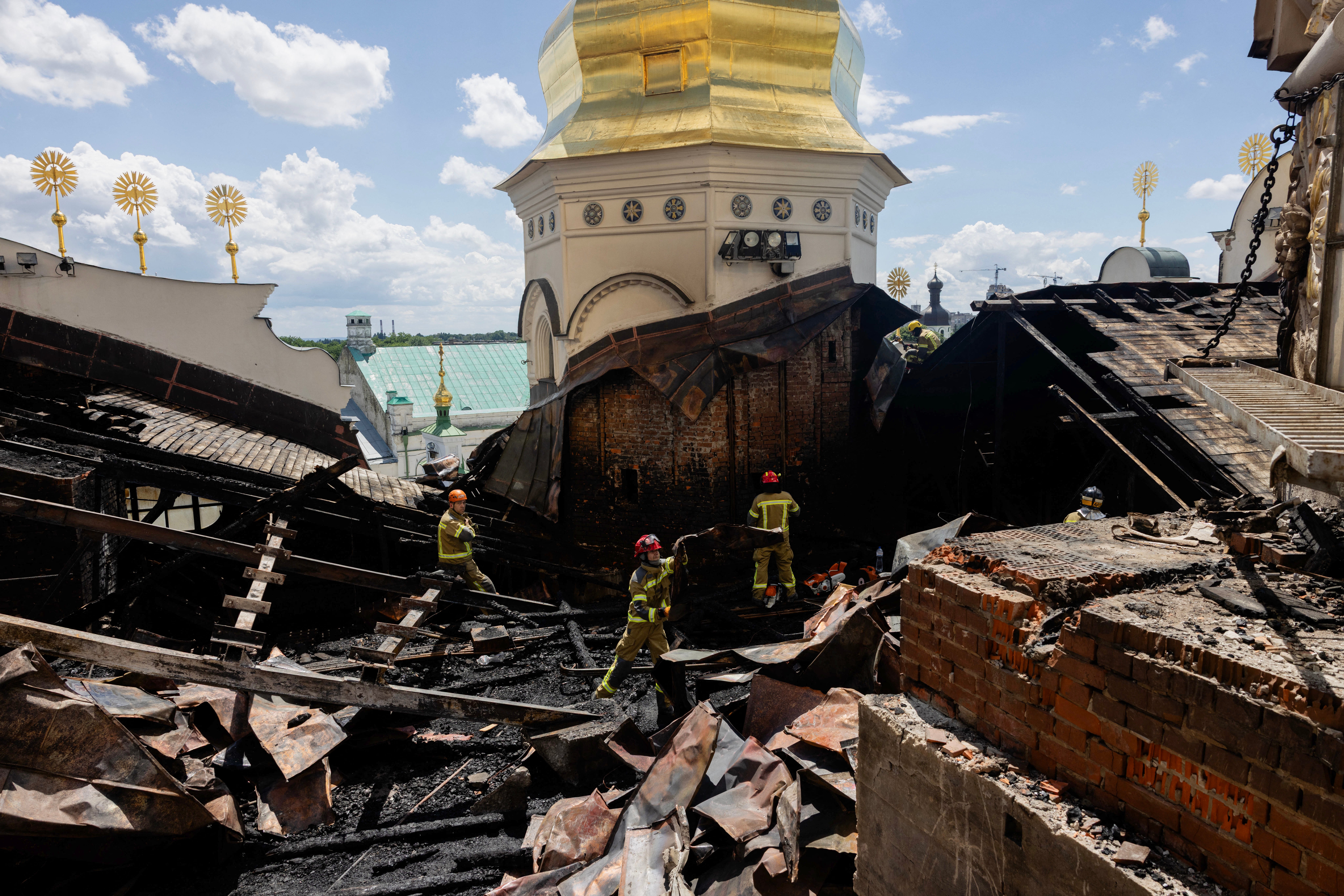 Ukraine launched its largest attack on Moscow in response to an attack on a cathedral in Kyiv (pictured, 15 June) (AFP/Getty)
AFP/Getty
Ukraine launched its largest attack on Moscow in response to an attack on a cathedral in Kyiv (pictured, 15 June) (AFP/Getty)
AFP/Getty
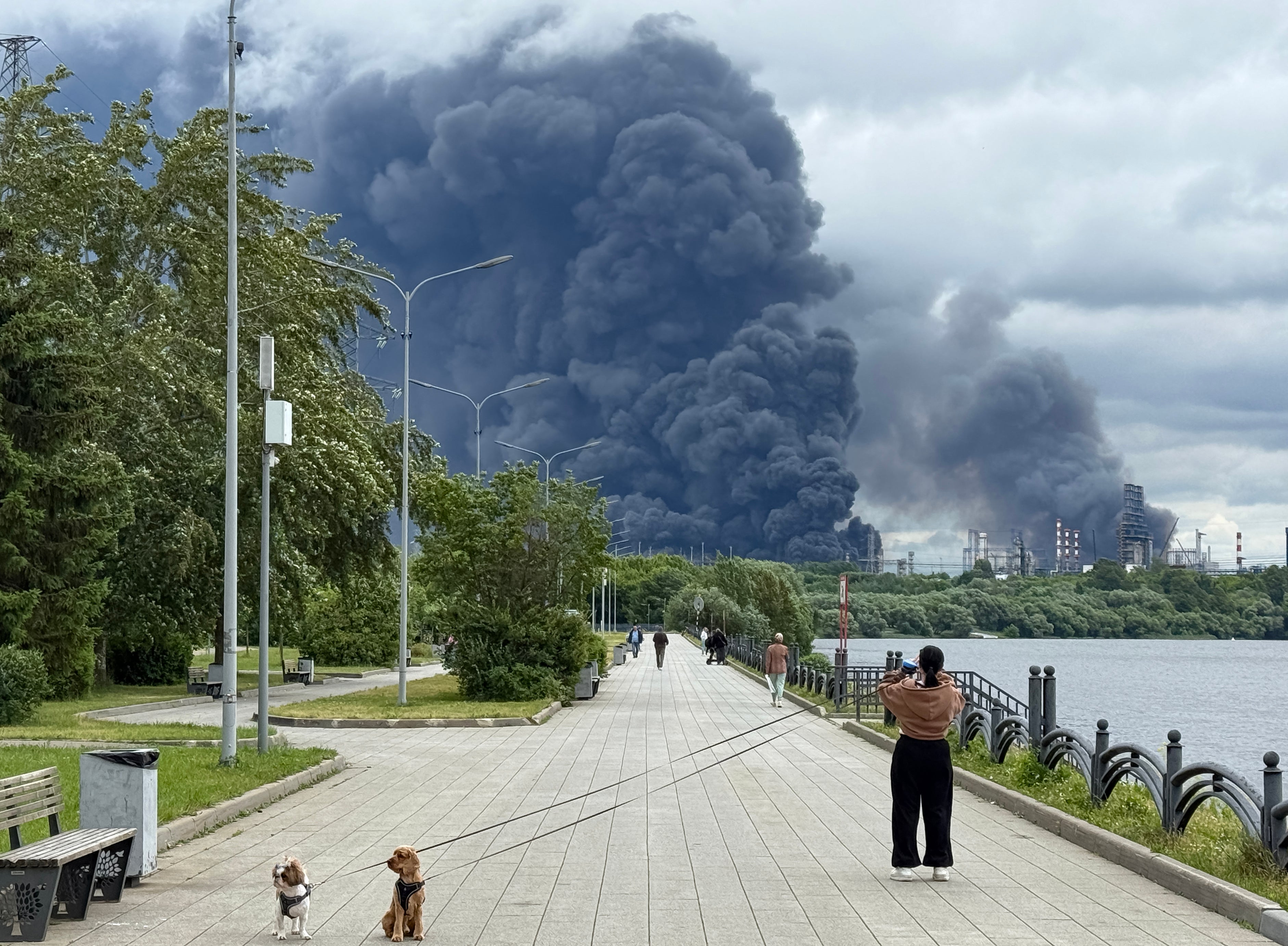 The drone strikes in Moscow have brought the war back to Russia, piling pressure on Putin (18 June pictured) (AFP/Getty)
AFP/Getty
The drone strikes in Moscow have brought the war back to Russia, piling pressure on Putin (18 June pictured) (AFP/Getty)
AFP/Getty
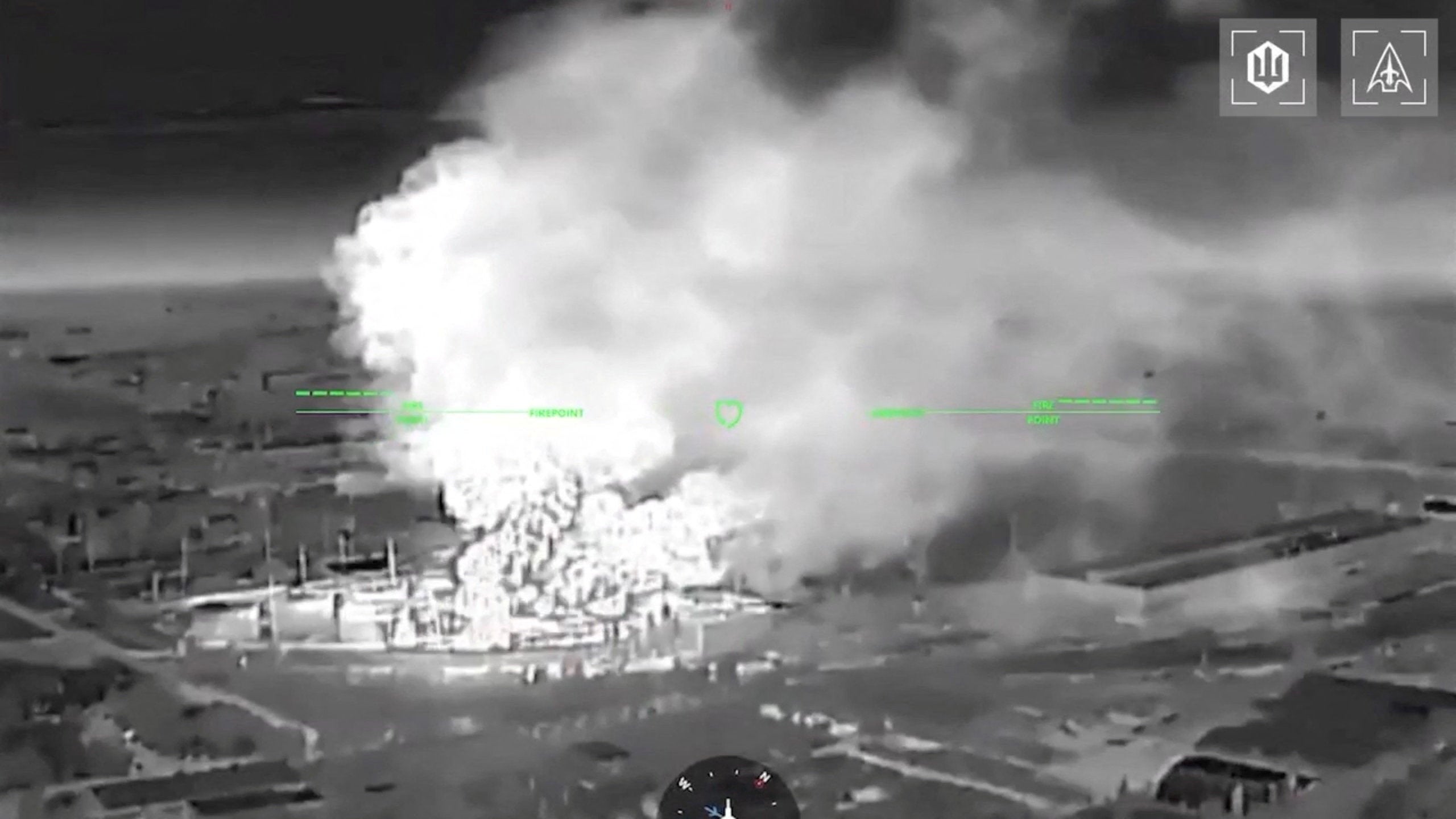 A drone footage shows fire and smoke rising from buildings, in what Ukrainian president Volodymyr Zelensky said was an attack on an oil depot in the city of Kerch (Reuters)
Reuters
A drone footage shows fire and smoke rising from buildings, in what Ukrainian president Volodymyr Zelensky said was an attack on an oil depot in the city of Kerch (Reuters)
Reuters
Ukrainian forces struck two oil refineries inside Russia overnight on 27 June, as Kyiv continues a campaign against Moscow’s energy infrastructure, according to Euronews. President Volodymyr Zelenskyy said the Slavyansk refinery in Russia’s Krasnodar Krai and another facility in the Yaroslavl region were hit, posting video of fires and thick black smoke. Local officials in Krasnodar Krai said a fire broke out at a refinery in Slavyansk-on-Kuban after falling drone debris, which also damaged a power line; they reported no injuries.
The attacks sit alongside a daily exchange of long-range fire that increasingly treats fuel, storage and logistics as front-line targets. Ukraine’s air force said Russian forces launched a large overnight strike package including ballistic missiles, an anti-ship missile and drones, with air defences reporting multiple interceptions but also impacts at several locations. Zelenskyy said Russia had launched large numbers of attack drones, guided aerial bombs and missiles over the past week across multiple Ukrainian regions.
What is changing is not the fact of bombardment but the geography and the economic logic of it. The Independent describes Ukrainian drones repeatedly reaching deep into Russian territory, with imagery from Moscow and other regions circulating as proof that distance alone is no longer a reliable shield. The same report links the strikes to fuel disruptions stretching from occupied Crimea to far-flung parts of Russia, turning refinery fires and depot losses into queues at petrol stations and rationing for civilian drivers.
Russia began the war with a clear advantage in long-range strike capacity, using missiles and Iranian-designed Shahed drones to hit Ukrainian cities and energy sites far from the front, The Independent notes. As allies hesitated to supply long-range weapons, Ukraine poured resources into domestic production, building longer-range drones and missiles and learning to push through air defences with volume and improvisation. The result, according to the report, is a maturing industry that now markets systems abroad and is being watched by foreign militaries considering procurement.
Energy infrastructure is attractive because it is expensive to harden, difficult to duplicate quickly, and tied directly to both military mobility and state revenue. Each successful hit forces a choice between diverting air defences to protect refineries and depots or accepting periodic losses that ripple into transport, industry and public confidence. Euronews frames Kyiv’s stated aim as reducing resources available to Russia’s war effort; the visible output is burning tanks, damaged power lines and local emergency services managing debris.
In Krasnodar Krai, officials said the immediate cause of the refinery fire was falling drone debris. The refinery still burned.