
Iran football team attacks FIFA and US over World Cup logistics
Visa denials force squad to base in Tijuana as late VAR call denies win in Seattle, Infantino’s dressing-room visit fails to change travel reality
Images
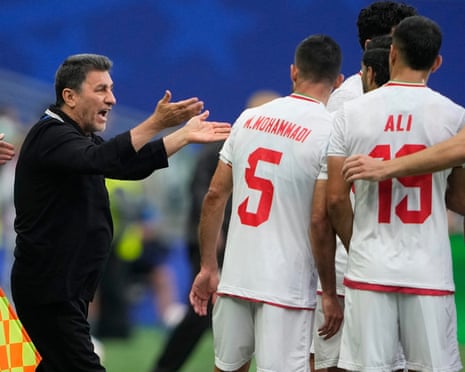 Amir Ghalenoei said after Iran drew with Egypt: ‘To my players and the team, I want to say to them I’m proud of them.’ Photograph: Lindsey Wasson/AP
theguardian.com
Amir Ghalenoei said after Iran drew with Egypt: ‘To my players and the team, I want to say to them I’m proud of them.’ Photograph: Lindsey Wasson/AP
theguardian.com
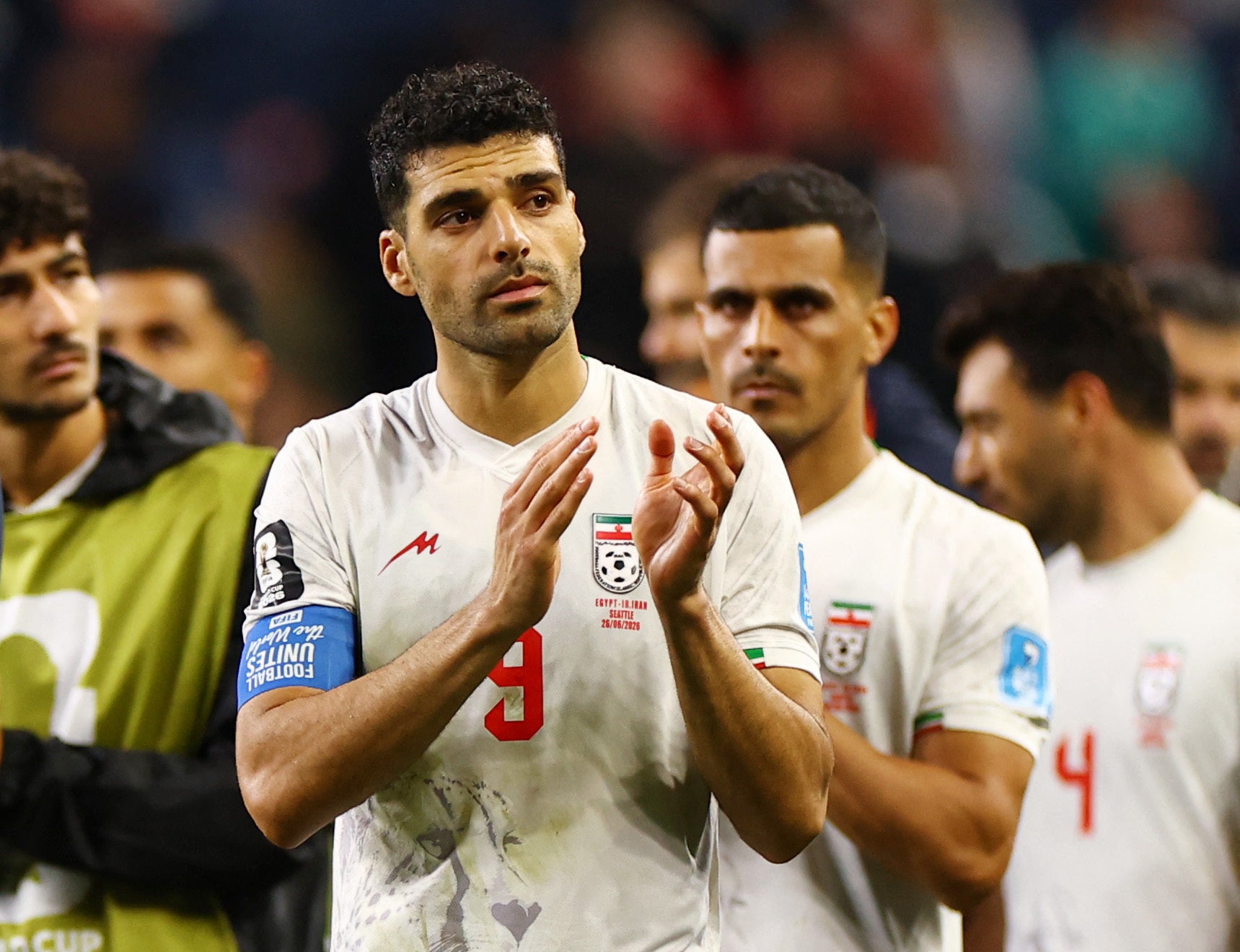 Mehdi Taremi slammed Fifa after Iran’s draw to Egypt (Reuters)
Reuters
Mehdi Taremi slammed Fifa after Iran’s draw to Egypt (Reuters)
Reuters
Iran’s national football team has accused FIFA and US authorities of putting them at a competitive disadvantage at the World Cup after a late goal was ruled out in a 1–1 draw with Egypt in Seattle.
According to The Guardian, Iran coach Amir Ghalenoei said FIFA president Gianni Infantino should “stand up” to the tournament hosts over what he described as unfair treatment, citing travel and visa problems that have forced the squad to base themselves in Tijuana, Mexico. The Independent reports that Iran captain Mehdi Taremi echoed the criticism, saying the tournament had been a “disaster” for Iran because key logistics staff were denied US visas and the team has repeatedly had to cross the border for training and travel.
The complaints land in a tournament staged in the United States while Washington remains in open conflict with Tehran, blurring the line between sporting administration and state policy. Iran’s players and staff are not alleging a single incident so much as a pattern: short-term visas, missing support personnel and late-night travel that compresses recovery time between matches. After the Egypt game, The Independent says the team had to leave Seattle for Tijuana by midnight, a schedule that turns a normal post-match routine—treatment, sleep, tactical review—into border logistics.
On the pitch, the margins were tight. Iran believed they had snatched victory when Shoja Khalilzadeh scored in stoppage time, only for the goal to be ruled offside after a VAR review, according to both outlets. Taremi also won and missed a first-half penalty, The Independent reports, leaving Iran to wait on other results to see whether they advance as one of the best-ranked third-place teams.
The dispute is also a test of FIFA’s promise that World Cup hosting is compatible with equal treatment for all qualified teams. Infantino visited Iran’s dressing room earlier in the tournament and offered encouragement, The Guardian reports, but Iran’s leadership argues that symbolic gestures do not solve the practical problem of who can enter the country, who can travel freely, and which teams can set up stable training bases. When tournament operations depend on host-country immigration decisions, the governing body’s leverage shows up mainly in whether it can secure exceptions—or explain why it cannot.
Iran’s progression will be decided by results elsewhere, but the team’s immediate reality is more concrete: a match in Seattle followed by another overnight return to Tijuana, and a World Cup campaign run on whatever visas arrive in time.