
Heavy rain floods western Japan as two tropical storms approach
Meteorological agency warns Mekkhala and Higos could hit Tokyo region next, transport disruption spreads from local waterways to national schedules
Images
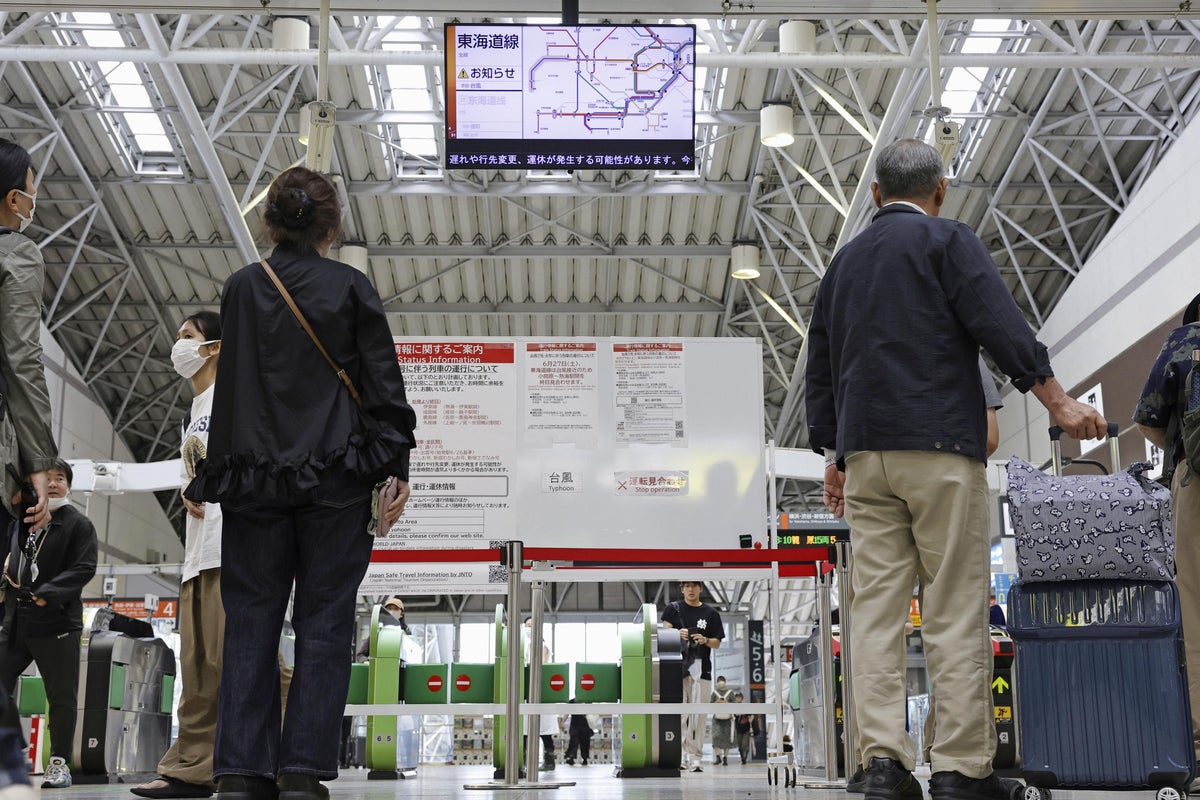 Heavy rain pounds western Japan as 2 tropical storms approach
independent.co.uk
Heavy rain pounds western Japan as 2 tropical storms approach
independent.co.uk
Heavy rain flooded parts of western Japan on Friday as two tropical storms approached, adding to a seasonal rain front already sitting over the country, according to an AP report carried by The Independent. Japan’s Meteorological Agency said storm Mekkhala was off the western coast of the southern island of Amami late Friday and moving northeast, with another storm, Higos, travelling nearby. The agency expected both systems to reach the Tokyo region on Saturday, bringing the risk of further downpours.
The immediate impact was scattered but familiar: NHK reported a man injured after falling into a waterway in Nara, while television footage from Kyoto showed the Kamo River swollen with muddy water. Flood alerts were issued across parts of Kyoto, Osaka and other areas in western Japan. Japan’s Fire and Disaster Management Agency said more than 30 homes were flooded in Nara and Hiroshima on Friday, and the weather disrupted some train operations and flights.
Japan’s infrastructure is built for seasonal rain, but the strain shows up in the seams—local waterways, low-lying housing, and transport schedules that assume predictable intervals between shocks. A flood tally measured in “homes” rather than regions hints at a response system that is municipally granular: a patchwork of alerts, evacuations and clean-up that becomes more costly when storms stack on top of each other. When trains and flights are interrupted, the economic cost is not only the cancelled journeys; it is the knock-on effect on logistics, shift work, and the service sector’s ability to staff itself.
The forecast focus on Tokyo also underscores how quickly a regional weather story becomes a national one in a country where political and commercial functions are concentrated in one metropolitan area. A rain front above the archipelago is manageable until it coincides with multiple tropical systems that push the same corridors of moisture onto the same catchments. Each additional warning is cheap to issue; the expensive part is the repeated disruption—clearing debris, pumping water, and keeping transport safe enough to run.
On Friday, the Kamo River was already running high and muddy in Kyoto. By Saturday, forecasters expected the heaviest rain to shift toward the Tokyo region.