
Ebola teams flee Congo displacement camp after residents reject diagnosis
Contact tracing stalls as outbreaks spread through conflict zones, Kenya protests US quarantine plan despite no local cases
Images
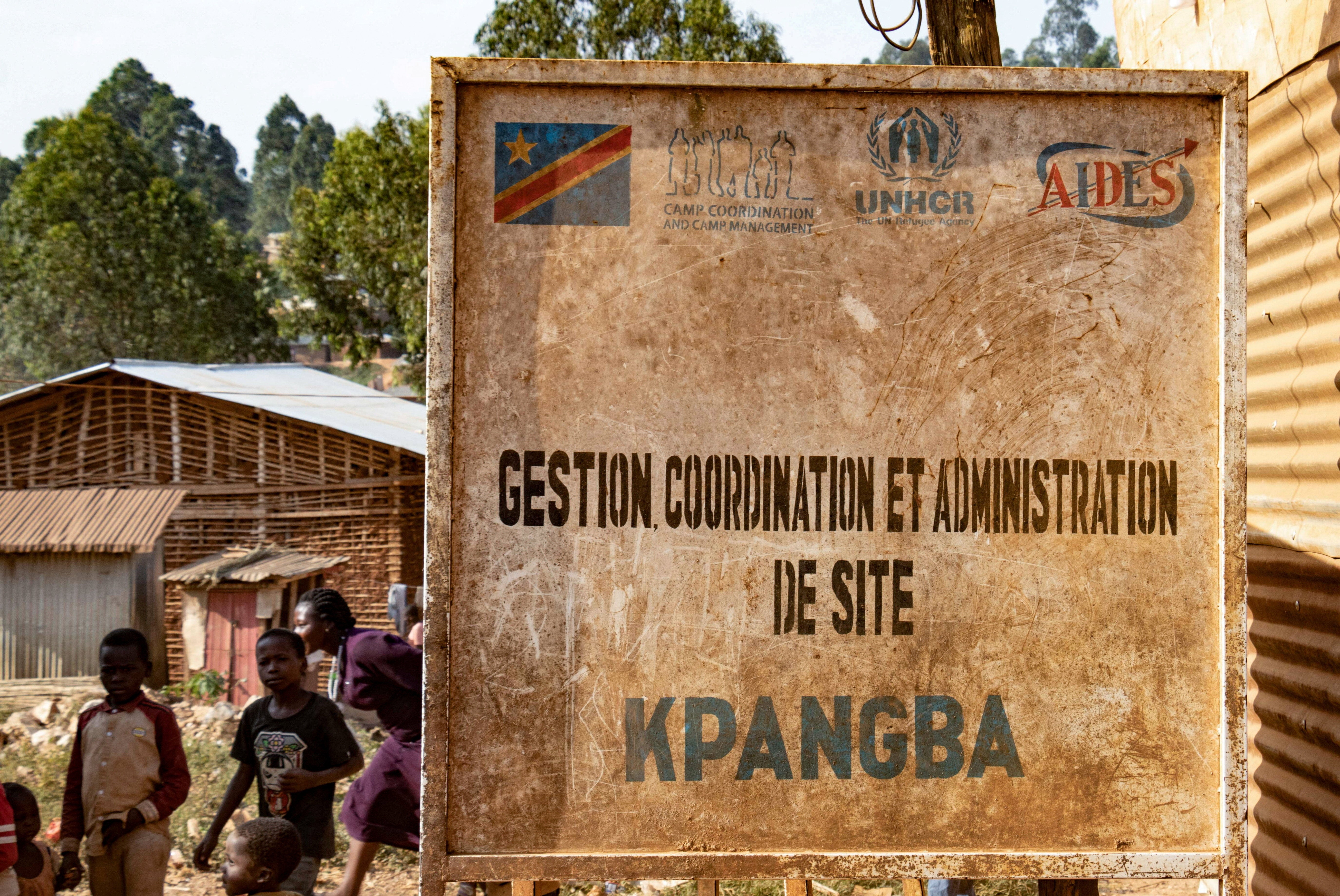 Health workers have been driven away from Kpangba (Reuters)
Reuters
Health workers have been driven away from Kpangba (Reuters)
Reuters
 Photo of Beth Mole
arstechnica.com
Photo of Beth Mole
arstechnica.com
Ebola response teams were driven out of a displacement camp in eastern Democratic Republic of Congo after two women died there and residents rejected the diagnosis, according to The Independent. The camp, Kpangba, hosts tens of thousands of people displaced by inter-ethnic violence, and local health officials say they have been unable to trace contacts since the deaths.
The standoff is not an isolated communications problem. Aid agencies and provincial health teams rely on access, cooperation and basic record-keeping to do contact tracing and safe burials, but the tools that stop Ebola also impose immediate costs on families: restrictions on funerals, quarantine and the removal of bodies. In Kpangba, residents told responders the women had not died of Ebola, and teams from the provincial health ministry, the World Health Organization and other agencies were forced to leave. The chief doctor for the local health zone described a wider inability to follow up on contacts across a patchwork of displacement sites in a densely populated mining area.
Ars Technica, summarising outbreak data and modelling, reports that confirmed cases in the DRC have continued to rise and that health experts fear the outbreak could grow sharply without sustained isolation and tracing. The same piece describes a separate flashpoint in Kenya, where protests erupted over US plans for a quarantine facility at a military base even though Kenya is not affected by the outbreak. Kenyan medical unions and protesters argued that their country was being asked to absorb the political and biosecurity risk of a US policy designed to keep exposed Americans away from home; a Kenyan court temporarily suspended the facility, while the report says preparations continued.
Taken together, the two episodes show how an international health response can be slowed from both ends. In eastern Congo, responders face local distrust and physical attacks on treatment centres, a pattern seen in previous outbreaks, while the region’s displacement camps and conflict make even routine surveillance hard. In Kenya, the argument is not about a local epidemic but about who bears the downside of a foreign government’s travel and quarantine choices, and how quickly a health measure becomes a referendum on sovereignty and patronage.
In Kpangba, doctors say there are still no practical preventive measures in the displacement sites beyond limited public messaging, and the contacts of the first deaths remain untraced.