
Iran has not made final decision on US deal
Fars contradicts Trump claim of imminent signing, Hormuz leverage becomes the argument against closure
Images
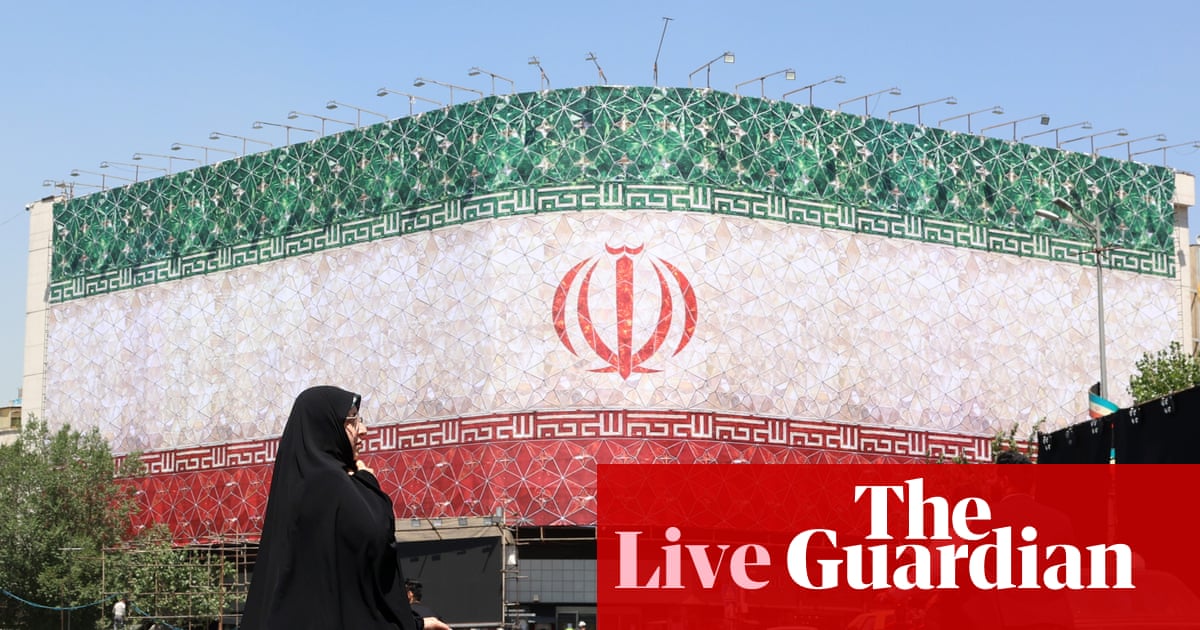 Middle East crisis live: Trump says Iran deal will be signed today but sources tell media Tehran ‘not yet’ taken final decision
theguardian.com
Middle East crisis live: Trump says Iran deal will be signed today but sources tell media Tehran ‘not yet’ taken final decision
theguardian.com
Donald Trump said a US-Iran agreement to end the Middle East war would be signed on Sunday, but Iran’s Fars news agency reported that Tehran had not made a final decision. The Guardian’s live coverage cited Fars as quoting a source close to Iran’s negotiating team, describing internal opposition from hardline figures. The same report said critics argue the draft would weaken Iran’s leverage over the Strait of Hormuz.
The gap between a claimed signature and an unsigned document is not just diplomatic theatre; it is also a way to manage domestic factions. In Washington, a public deadline can be used to project control and momentum, especially after months of war and market anxiety tied to shipping through Hormuz. In Tehran, leaving the decision formally “not final” keeps room for internal bargaining and protects negotiators if concessions become politically costly.
Fars is widely seen as close to conservative circles in Iran, and its decision to emphasise hardline resistance signals where pressure is being applied. The Guardian reported that opponents argue the deal does not serve Iran’s interests and would deprive Tehran of leverage over the strait—language that treats maritime disruption as a bargaining chip rather than a risk to be eliminated. That framing matters because Hormuz is not only a military chokepoint but also a revenue and sanctions-enforcement problem: any durable agreement has to specify what happens when shipping resumes, who verifies compliance, and what penalties follow if either side reverts to pressure tactics.
The uncertainty also sits within a broader regional pattern in which formal agreements lag behind operational realities. Even when fighting pauses, the mechanisms that made escalation profitable—control of routes, sanctions relief, and the ability to signal strength to domestic audiences—do not disappear. If the deal is signed, its durability will depend less on the ceremony than on whether both capitals accept constraints that reduce their room to manoeuvre.
For now, the most concrete fact is that one side is announcing a signature date while a state-aligned Iranian outlet is telling its audience the decision is still pending. The Strait of Hormuz remains open to interpretation as well as shipping.