
Trump says US-Iran peace deal scheduled for Sunday
Pakistan mediates as Hormuz reopening and sanctions relief lead the package, nuclear terms pushed into later technical window
Images
 bbc.com
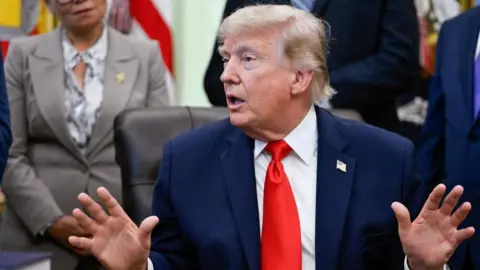 Reuters US President Donald Trump speaks at the White House in Washington DC. Photo: 11 June 2026
bbc.com
Reuters US President Donald Trump speaks at the White House in Washington DC. Photo: 11 June 2026
bbc.com
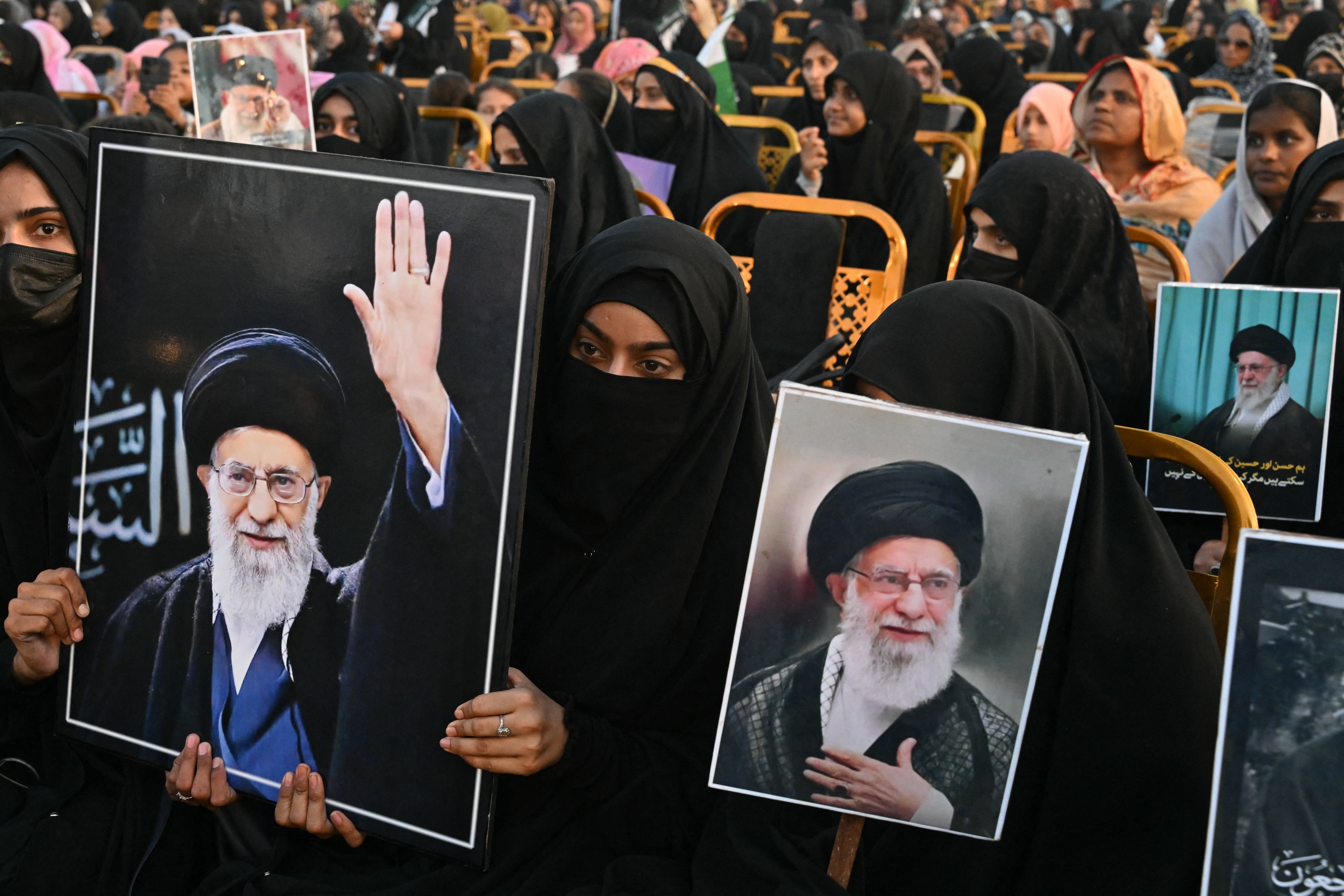 Activists carry portraits of Iran's slain supreme leader Ayatollah Ali Khamenei, as they pay tribute at Minar-e-Pakistan in Lahore (AFP/Getty)
AFP/Getty
Activists carry portraits of Iran's slain supreme leader Ayatollah Ali Khamenei, as they pay tribute at Minar-e-Pakistan in Lahore (AFP/Getty)
AFP/Getty
 (AFP/Getty)
AFP/Getty
(AFP/Getty)
AFP/Getty
President Donald Trump said a US-Iran deal to end fighting is scheduled to be signed on Sunday, with Pakistan described by both sides as a key mediator and the Strait of Hormuz presented as the immediate prize. Iran’s foreign ministry spokesman Esmaeil Baghaei publicly questioned the timing, saying the signing would not be the next day, even as Trump wrote online that Hormuz would be “open to all” once the agreement is in place, according to the BBC.
The draft on the table is being sold as a package of de-escalation and commerce: reopening Hormuz, easing pressure on Iranian ports, and moving the nuclear dispute into a later technical track. The Independent, citing AP reporting, says the emerging agreement would start a process to destroy or remove Tehran’s highly enriched uranium, with a roughly 60-day window after signing to work out the details and the possibility of extending that period. That sequencing matters because it front-loads the benefit that is easiest to price—shipping—while postponing the part that is hardest to verify—what happens to enriched material and who takes custody.
The last few months have shown why both capitals might want a deal that can be announced before it is fully engineered. The war began with US and Israeli strikes across Iran in late February, the BBC reports, and Iran responded with attacks on Israel and US-allied states in the Gulf while effectively closing Hormuz. Even after a ceasefire, intermittent exchanges continued, including tit-for-tat strikes this week. In that environment, a promise to reopen a chokepoint can calm fuel markets and ease domestic political pressure without requiring immediate agreement on the nuclear endgame.
For Iran, reopening traffic while retaining leverage can be more valuable than a clean reopening. AP’s account, carried by the Independent, notes Iran has imposed a toll system during the war and that Iranian Foreign Minister Abbas Araghchi has said Tehran wants to charge ships “for services rendered” when they transit the strait—an approach the US and other nations say violates international law. For Washington, the same arrangement would amount to a de facto acknowledgement that Iran can monetize disruption, even as US officials describe economic benefits as conditional on compliance.
The public messaging also leaves room for coercion. Trump wrote that the US would, at an “appropriate time,” go in and get the “Nuclear Dust,” referring to enriched uranium stockpiles, and warned of an “ultimate alternative” if the deal does not work out, according to the BBC. The agreement may be close enough to schedule an electronic signing, as Pakistan’s Prime Minister Shehbaz Sharif suggested, but the dispute over whether it happens “tomorrow” or “in the coming days” shows how much of the announcement still depends on who is willing to own the timetable.
On Sunday, the signing is either a fixed appointment or a moving target; in both versions, the Strait of Hormuz is being treated as the first deliverable and the nuclear file as the later argument.