
Díaz-Canel unveils Cuba economic liberalisation package
El País reports decentralisation and FX access for state firms, a shrinking bureaucracy promises savings while shortages set the clock
Images
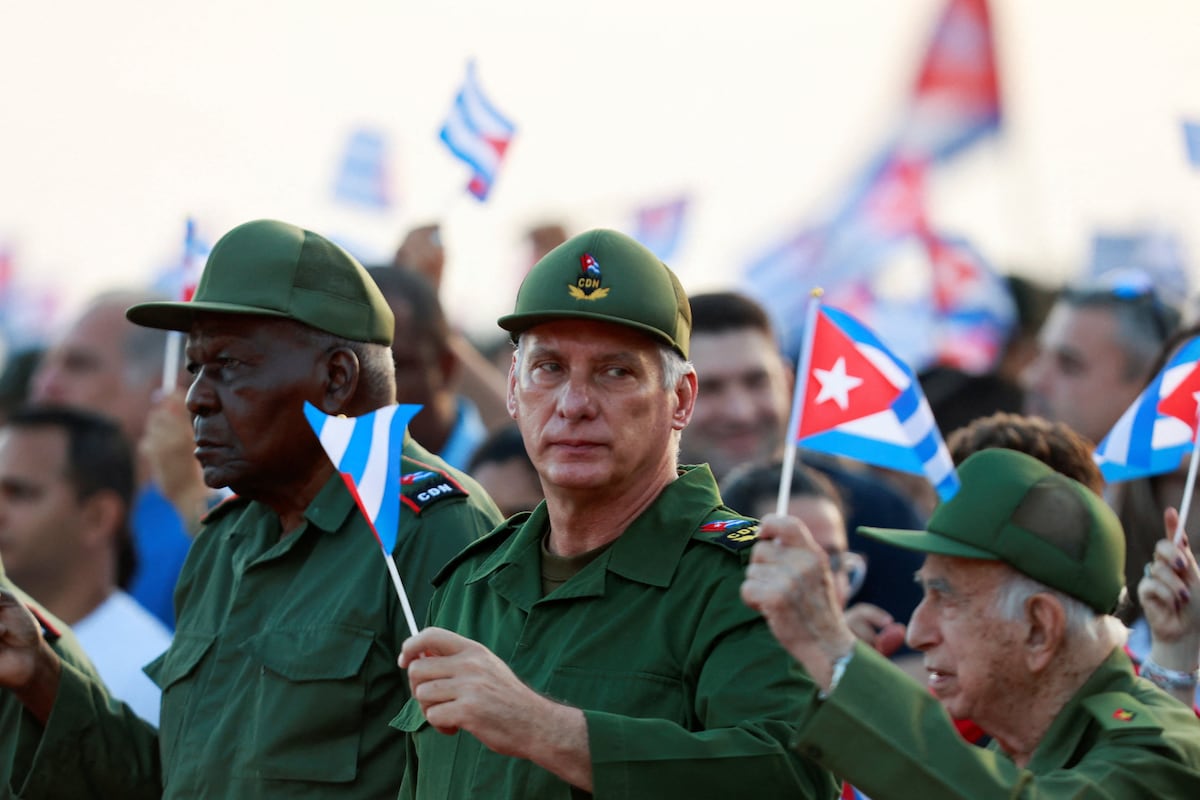 Díaz-Canel announces reforms to liberalize Cuba’s economy
english.elpais.com
Díaz-Canel announces reforms to liberalize Cuba’s economy
english.elpais.com
Cuban President Miguel Díaz-Canel on June 12 announced what state media described as an “Economic and Social Program for 2026”, a package of structural reforms meant to loosen Cuba’s crisis-hit economy. According to El País, the measures include decentralising parts of the state apparatus, letting state companies participate in the foreign-exchange market, authorising investment by Cubans living abroad, and phasing out subsidies for some products while shifting support toward “vulnerable people”. The plan also promises a reduction in ministries and bureaucratic posts, with savings earmarked for a future wage reform in the budgeted public sector.
The details matter because Cuba’s problem is not a lack of plans but a lack of operating room. El País describes a backdrop of chronic shortages, an energy collapse and growing fear of social unrest, with US sanctions still constraining trade and finance. Within that squeeze, the government is trying to change how money and responsibility move inside the system: municipalities would gain autonomy over foreign-currency revenues, and local governments would be tasked with approving private-sector enterprises to “accelerate paperwork”. State enterprises — the “Empresa Estatal Socialista” — are promised freedom from “external interference” in management, including the ability to design wage systems without regulatory ceilings.
That is a large promise from a state built around central allocation since 1959, and it creates a new set of pressure points. If municipalities can keep and deploy foreign currency, local officials become gatekeepers to the scarce asset everyone needs for imports, fuel and spare parts. If state firms can set wages and access hard currency directly, the government is implicitly acknowledging that the emerging private sector has been outcompeting it on incentives, and that the public payroll cannot be held down indefinitely without consequences. The reform package also nods to a tourism model under strain: El País reports the real-estate sector is to be opened up after major international hotel chains withdrew amid US sanctions, while rules for allocating idle land would be relaxed and producers given access to real foreign-currency bank accounts.
Díaz-Canel framed the move as pragmatism under “maximum US pressure”, insisting the revolution “still exists” and the country continues to function, El País reports. The test will be whether the state can actually tolerate the uneven outcomes these tools produce — higher local discretion, wider wage dispersion and more visible winners — without reverting to ad hoc controls when discontent rises.
For now, the reform plan is a document and a broadcast. The shortages and blackouts it is meant to address remain the daily timetable.