
Iran schedules Khamenei funeral for July 4
State media sets burial in Mashhad days later, peace deal talk continues as succession becomes public ceremony
Images
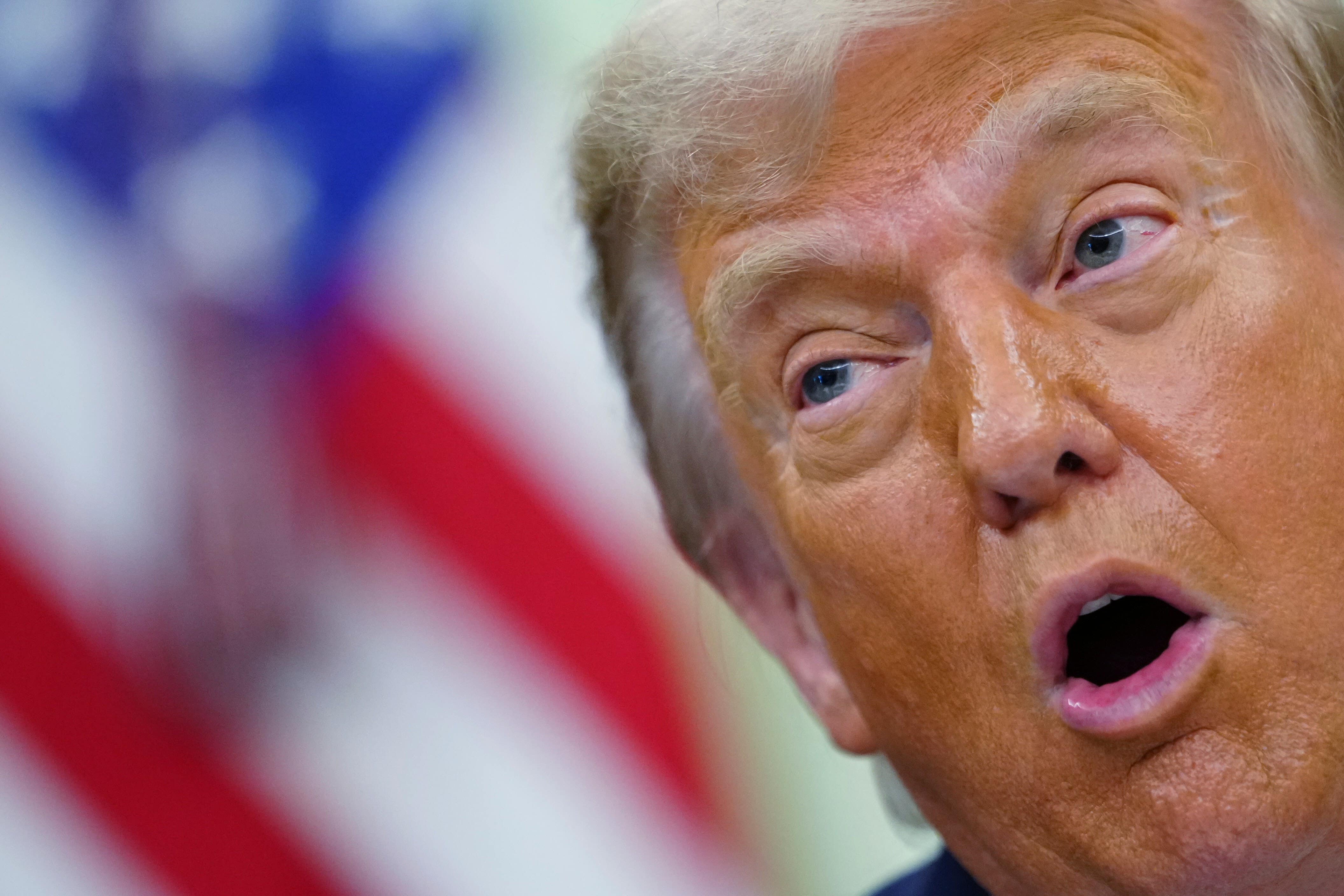 A U.S. official, speaking on condition of anonymity, told reporters on Friday that the deal met Trump's core objectives and put negotiations ‘in a very, very good place’ (AP)
independent.co.uk
A U.S. official, speaking on condition of anonymity, told reporters on Friday that the deal met Trump's core objectives and put negotiations ‘in a very, very good place’ (AP)
independent.co.uk
Iran has scheduled the funeral for its late Supreme Leader Ali Khamenei to begin in Tehran on July 4, with burial planned for July 9 in the northeastern city of Mashhad, according to Reuters reporting carried by The Independent. The dates were announced by Iranian state media, months after Khamenei was killed in U.S. and Israeli strikes at the start of the war in late February.
The calendar choice places a major regime ritual on the same day as America’s Independence Day, at a moment when officials on both sides are publicly describing a peace deal as close but not yet signed. Pakistan’s Prime Minister Shehbaz Sharif has said the United States and Iran have agreed a framework text and that an initial agreement could be signed electronically within about a day, followed by technical talks. Iranian officials, meanwhile, have cautioned against treating any signing date as settled, and Iranian Foreign Minister Abbas Araqchi has said changes remain possible.
The funeral timetable also clarifies that Tehran is planning for a long, choreographed transition rather than a quiet burial. Khamenei’s death ended more than three decades at the top of the Islamic Republic, and The Independent reported he has been replaced by his son, Mojtaba Khamenei, who is widely seen as less compromising. That succession, announced in wartime, creates a second track of politics alongside the negotiations: one aimed at reopening trade routes and unfreezing assets, the other aimed at consolidating authority and distributing patronage inside a system built around loyalty networks.
Reuters described draft terms under discussion in which the United States would begin releasing billions of dollars in frozen Iranian assets and waive sanctions on Iranian oil exports in return for Iran reopening the Strait of Hormuz, with nuclear negotiations pushed into a later window. Araqchi has publicly rejected the idea that Iran has accepted dismantling its nuclear programme, even as a U.S. official told reporters the deal would ultimately dismantle it.
In that setting, a state funeral is not only commemoration; it is a mass demonstration of control, security capacity, and elite alignment. It is also a fixed public deadline that can outlast shifting communiqués about “imminent” signatures.
Iran says the funeral will begin in Tehran on July 4 and end with burial in Mashhad on July 9.