
US and Iran near Hormuz reopening deal
Phased plan delays nuclear terms while shipping resumes, Asian energy importers watch verification and compliance
Images
 A sense of normality has returned to the streets of Tehran since the April ceasefire
bbc.com
A sense of normality has returned to the streets of Tehran since the April ceasefire
bbc.com
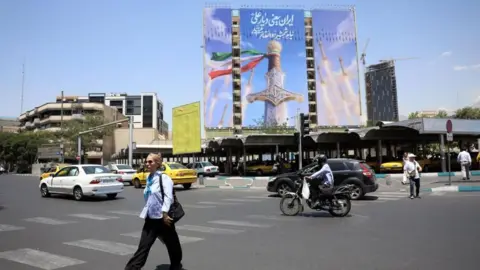 A sense of normality has returned to the streets of Tehran since the April ceasefire
bbc.com
A sense of normality has returned to the streets of Tehran since the April ceasefire
bbc.com
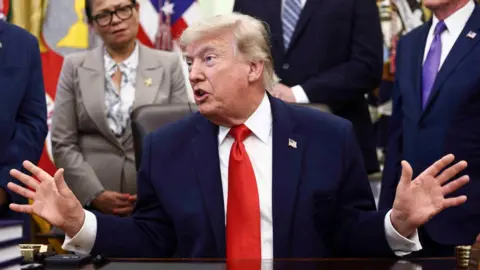 Trump says there is "no such thing as dealing in good faith" when it comes to negotiating with the Iranians
bbc.com
Trump says there is "no such thing as dealing in good faith" when it comes to negotiating with the Iranians
bbc.com
 independent.co.uk
 independent.co.uk
 independent.co.uk
Iran and the United States are nearing an agreement that would reopen the Strait of Hormuz and lift a US blockade on Iranian shipping, according to Iran’s foreign minister and US officials briefed on the talks. The BBC reports that Tehran says the deal would take effect more or less immediately, with a second phase launching a 60-day negotiation over Iran’s enriched uranium. President Donald Trump has said an agreement is imminent, while disputing details published by Iranian media.
For Asian economies, Hormuz is less an abstract chokepoint than a daily price tag. The strait is a key route for global oil and liquefied natural gas, and its disruption has fed directly into higher energy costs and supply uncertainty across import-dependent countries. The BBC says the proposed sequence is designed to front-load the shipping outcome—reopening the waterway—while postponing the most contentious issues to a later negotiating window. That structure reduces immediate risk for tankers and insurers, but it also leaves the hardest verification questions unresolved: the US side is describing a process in which Iran’s enriched uranium would ultimately be destroyed on site and removed from Iran, with the mechanism still to be worked out.
The economic trade is being presented as conditional rather than upfront. US officials, according to the BBC, stressed that benefits for Iran would be staged and tied to verified implementation, with no money provided at the start and sanctions relief potentially arriving incrementally. That approach tries to avoid the familiar problem of front-loading concessions and then arguing about compliance afterward, but it also means Tehran is being asked to take early steps—on shipping access and nuclear material—while waiting for the larger prize of reintegration into the global economy.
The politics around the deal are already visible in the information war. The Independent reports that Pakistan’s prime minister Shehbaz Sharif has claimed a “final, agreed upon text” has been reached and that Islamabad is working with both sides on next steps, while Trump has accused Iran of leaking false terms to the media. Iran’s foreign minister, the BBC notes, has said the deal has supporters and opponents inside Iran’s Supreme National Security Council and that a collective decision had not yet been reached. Even if the commercial lanes reopen, the messaging suggests both sides want room to blame the other if later nuclear talks stall.
US Central Command said it intercepted Iranian attack drones targeting commercial vessels in the strait, according to the Independent. The deal being discussed, if signed, would ask shipowners to treat a negotiated document as a substitute for air defenses.
On the ground in Tehran, the BBC reports that a sense of normality has returned since an April ceasefire. In the strait itself, normality still depends on whether the next few days produce signatures rather than statements.