
Trump rejects Iranian leak of US Iran peace terms
AP sources say draft deal close after months of war and a fragile ceasefire, Strait of Hormuz reopens only when both capitals sign off
Images
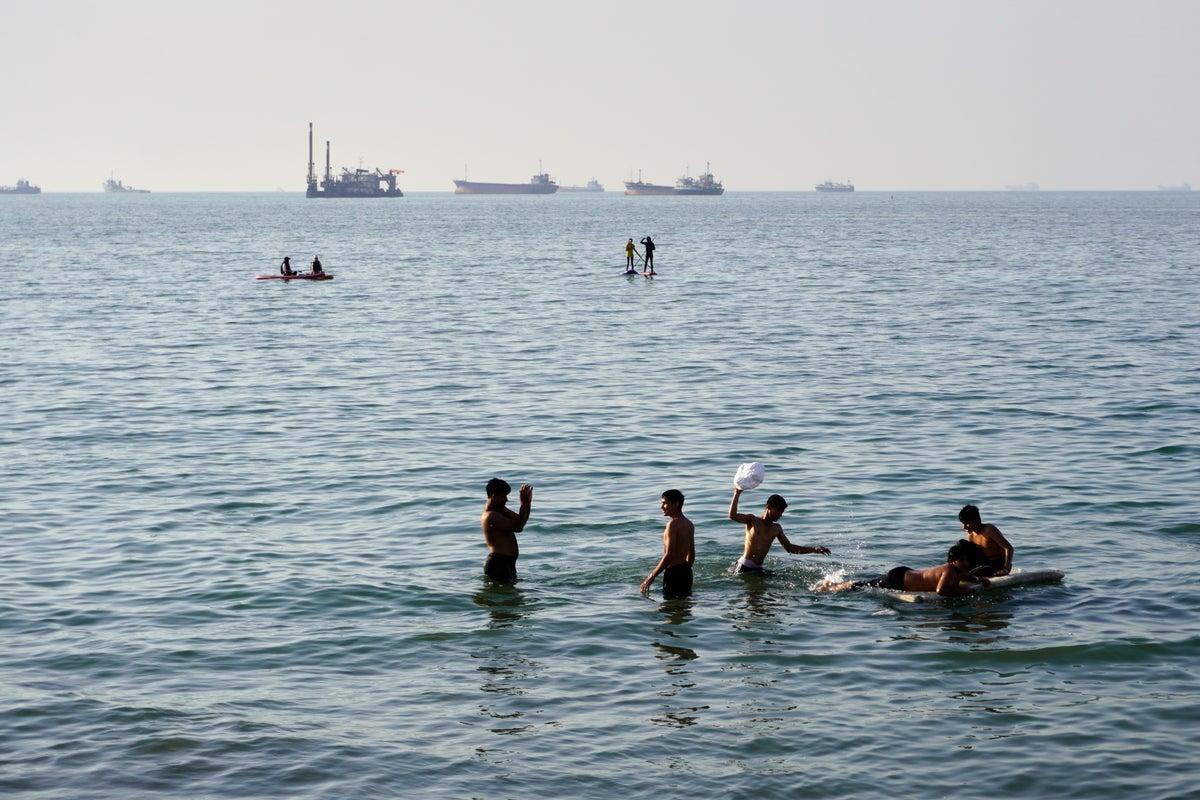 US and Iran are close to a deal to end their war, officials say
independent.co.uk
US and Iran are close to a deal to end their war, officials say
independent.co.uk
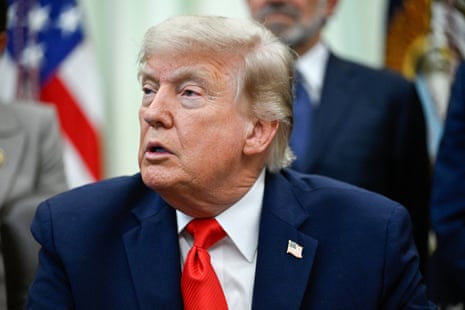 US president Donald Trump speaks in the Oval Office at the White House on Thursday. Photograph: Daniel Heuer/Reuters
theguardian.com
US president Donald Trump speaks in the Oval Office at the White House on Thursday. Photograph: Daniel Heuer/Reuters
theguardian.com
Donald Trump publicly rejected details of a purported US–Iran peace deal on Friday, after Iranian media described a draft proposal that Tehran’s leadership was said to be reviewing. According to The Guardian’s live coverage, Trump wrote on Truth Social that Iran’s leaked terms had “no relation to the truth” and said they were not what Washington had agreed to in writing. The Independent, citing the Associated Press, reported that three regional officials said the two sides were close to signing an agreement intended to end the war that began when the US and Israel launched attacks in late February, with a ceasefire in place since early April.
The competing narratives point to a negotiation being run in public as much as in back channels. Iranian outlets, according to The Guardian, floated terms including Iranian “control” of the Strait of Hormuz and postponement of nuclear talks—two claims that, if believed, would shift domestic expectations in Tehran and raise the political price of compromise. US officials speaking to AP via The Independent described a very different package: removal and destruction of Iranian nuclear material, dismantling of Tehran’s nuclear programme, and an Iranian commitment not to fund militant groups. Even the mechanics of de-escalation are described as conditional: the regional officials told AP the deal could reopen Hormuz, ease sanctions in phases, and unlock frozen Iranian assets, but only after approvals in Washington and Tehran.
The war has already turned shipping into a policy lever. The Independent reported that oil and gas shipments from the Persian Gulf were “virtually shut down” and that the US has maintained a naval blockade of Iranian ports since mid-April to choke off Iran’s exports. That makes any promise to “reopen” Hormuz less a diplomatic flourish than a market-moving operational change: insurers, freight rates, and fuel prices all respond to whether tankers can pass without being treated as targets or contraband. Trump’s own posts tied the diplomacy to immediate enforcement, calling a reported drone attack on Indian ships leaving the strait “totally unacceptable,” according to The Guardian.
Israel, meanwhile, is positioning itself as both stakeholder and outsider. AP quoted Israeli Prime Minister Benjamin Netanyahu saying Israel was not a party to the deal, while also claiming he and Trump were in “full agreement” that Iran must not have nuclear weapons. Israel’s defence minister warned Israel could still act independently, and also said it would not withdraw from zones it is occupying in Lebanon, Syria, and Gaza, according to The Independent—language that suggests any US–Iran paper deal would still coexist with separate Israeli military timelines.
The near-term test is procedural rather than rhetorical: AP’s sources expected a signing ceremony “in the coming days,” while Trump is telling his audience that the version circulating in Iranian media is fiction. For now, the only concrete overlap is that both sides are talking about the Strait of Hormuz—one as a symbol of control, the other as a corridor that needs to reopen.
Trump’s post ended with a demand that Iranian leaders “get their act together, and FAST,” The Independent reported. The strait remains narrow, and the shipping lanes are still priced as if the ceasefire can be redefined overnight.