
UK economy contracts in April
Office for National Statistics reports first monthly fall since last summer, war-linked energy shock hits services and travel
Images
 bbc.com
 Getty Images Close-up of a woman holding and reviewing a grocery receipt after shopping.
bbc.com
Getty Images Close-up of a woman holding and reviewing a grocery receipt after shopping.
bbc.com
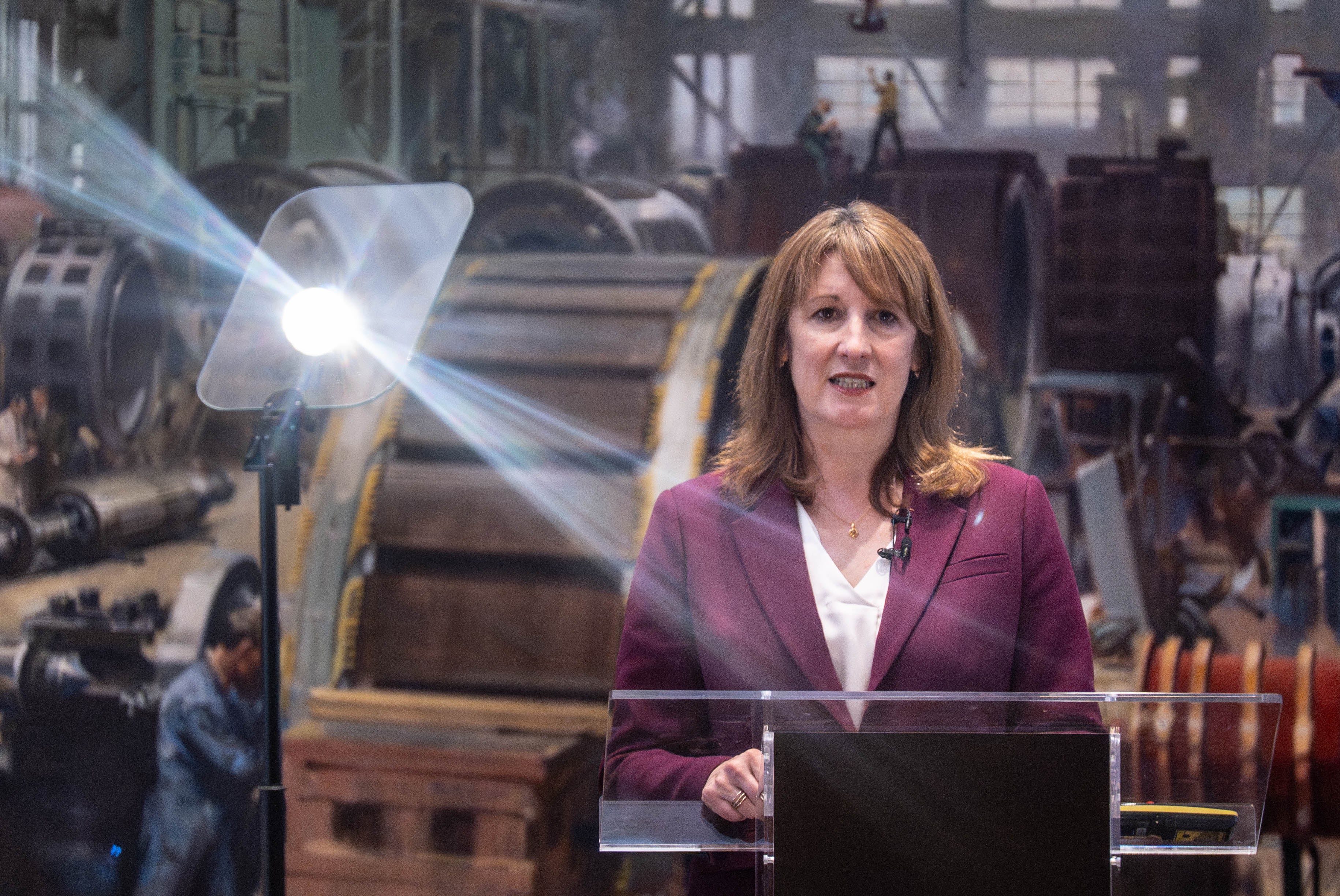 Rachel Reeves acknowledged that the war in the Middle East was hitting the economy (PA)
independent.co.uk
Rachel Reeves acknowledged that the war in the Middle East was hitting the economy (PA)
independent.co.uk
UK output fell by 0.1% in April, the first monthly contraction since last summer, according to the Office for National Statistics. The decline was driven by weaker services activity, with the ONS and businesses pointing to disruption and higher costs linked to the Middle East conflict.
The monthly figure follows stronger growth earlier in the year that left the economy still up over the latest three-month period, a pattern that underlines how quickly household and business behaviour can swing when energy prices jump. The BBC reports that some spending was brought forward in March amid war-related uncertainty, leaving a hangover in April as consumers and firms pulled back. The ONS cited falls in parts of the services economy that depend on discretionary spending and event schedules, including arts and entertainment and sports-related activities, while some Middle East sporting events were cancelled.
The effects show up most clearly in the industries that sit closest to travel and logistics. The ONS said some manufacturing industries, wholesale, warehousing, transport support services, accommodation and travel agencies reported reduced turnover tied to the conflict. These are sectors where margins are often thin and costs—fuel, insurance, rerouting, delayed deliveries—arrive as invoices long before demand returns.
For the government, the politics are awkward because the transmission mechanism is mundane: higher energy costs feed straight into household bills and business overheads, then into weaker spending and slower hiring. Chancellor Rachel Reeves said the war would have an impact at home, while arguing the UK was in a stronger position after earlier growth and falling inflation, the BBC reports. KPMG’s chief economist Yael Selfin told the BBC the data pointed to renewed fragility, and warned that an energy shock was still damping prospects for a sustained recovery in consumer spending.
The next pressure point is timing. The BBC reports households are expected to see a significant rise in energy bills from next month, at the same moment consumers are signalling plans to cut back and save more. That combination tends to shift the burden onto the parts of the economy that rely on volume—hospitality, leisure, non-essential retail—while leaving fixed costs, including debt servicing, unchanged.
April’s GDP release is a single month, but it arrives as UK households prepare for higher energy bills that will be priced in pounds, not in diplomatic statements.