
California sues to block new ICE site near Gilroy
State says federal lease skipped environmental review and local consultation, office label masks detention capacity fight
Images
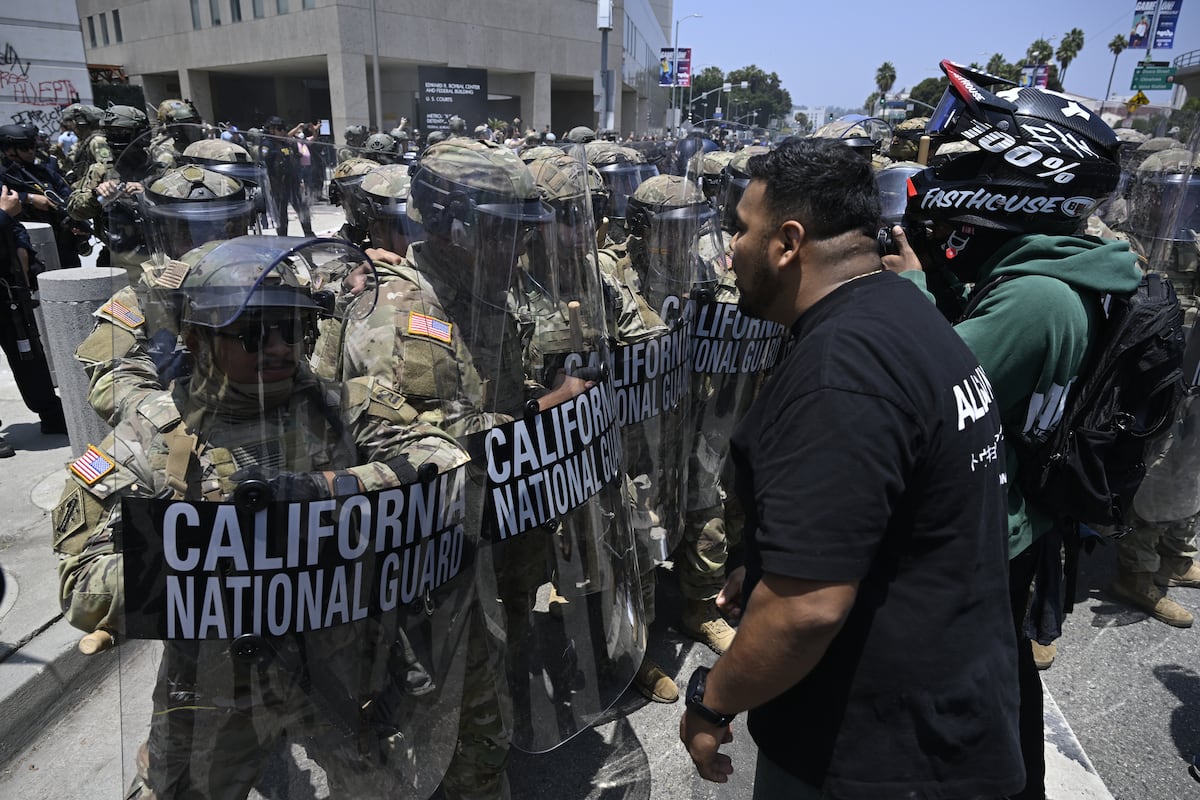 California is suing the Trump administration to block a new ICE facility
english.elpais.com
California is suing the Trump administration to block a new ICE facility
english.elpais.com
A federal lawsuit filed by California and Santa Clara County seeks to stop construction of a new U.S. Immigration and Customs Enforcement site on an agricultural property near Gilroy south of the San Francisco Bay Area. According to El País, the complaint was lodged on Wednesday in the U.S. District Court for the Northern District of California and targets a project on Holsclaw Road in an unincorporated area southeast of the city. State officials say the Department of Homeland Security signed a long-term lease and began moving ahead without completing required environmental reviews and without meaningful coordination with local authorities.
The dispute turns on what the facility is supposed to be. ICE describes the project as an “operations office,” but California’s attorney general Rob Bonta and county officials argue that under the current administration, offices have increasingly functioned as short-term holding sites even when they are not built or staffed for detention. The complaint says the federal government leased nearly 25 acres from a subsidiary of Elmwood Capital Group under a 20-year agreement valued at $26.5 million, covering existing buildings, greenhouses and farmland. Local officials say the site could operate as a short-term detention center capable of holding up to 150 people.
The legal theory is built around process rather than policy slogans. Plaintiffs argue the project required either an environmental assessment or a full environmental impact statement before the lease was signed and construction began, and they cite the National Environmental Policy Act alongside the Administrative Procedure Act and other statutes. They also invoke California’s Williamson Act, which preserves agricultural land through use restrictions tied to tax benefits, and claim the property supports threatened and endangered species. In the complaint’s telling, the costs show up downstream: damaged habitat, added strain on drinking water and wastewater systems, and the permanent loss of protected farmland.
Santa Clara County says its formal notice amounted to a one-paragraph letter in 2023 describing the plan as “office and operations space.” County counsel Tony LoPresti told El País the goal is to force transparency about what is being built and how it will be used. That framing fits a broader pattern in US immigration enforcement, where detention capacity can be expanded by reclassifying facilities and shifting people through “short-term” holds that become long enough to matter, while oversight lags behind the contracting.
If the case succeeds, it will not decide how many people ICE can arrest. It will decide whether a federal agency can lock in a 20-year footprint on protected farmland first and argue about environmental and local impacts later.