
Dutch emissions fall in early 2026
Coal burn drops as wind output rises, cross-border fuel buying shifts transport totals on paper
Images
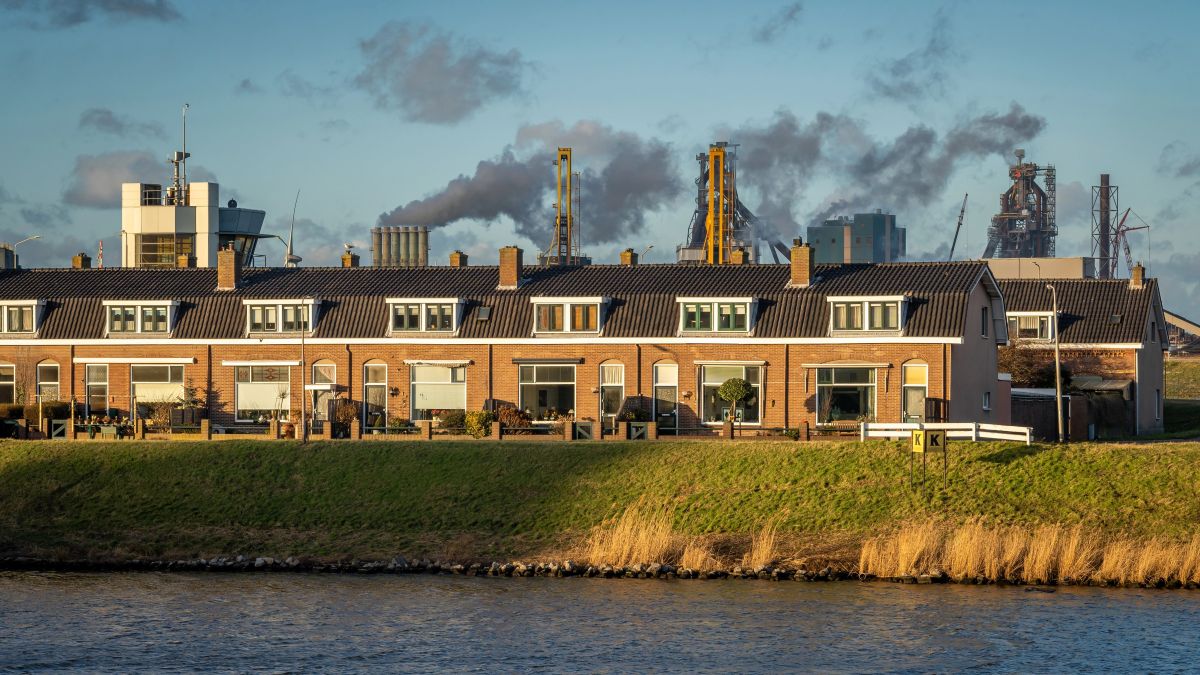 Emissions near a residential neighbourhood in Ijmuiden. Photo: Depositphotos.com
Depositphotos.com
Emissions near a residential neighbourhood in Ijmuiden. Photo: Depositphotos.com
Depositphotos.com
Greenhouse gas emissions in the Netherlands fell by just over 5% in the first quarter of 2026 compared with the same period a year earlier, according to provisional figures from the statistics office CBS and the public health institute RIVM reported by DutchNews.nl. The drop was driven mainly by power stations burning less coal, while the economy still grew year-on-year.
The numbers underline how quickly national emissions totals can swing with fuel choices inside the power system. CBS and RIVM put total emissions at 42.2 megatonnes of CO2 equivalent in the first quarter, down from 44.6 megatonnes a year earlier, while GDP rose 1.2%. The electricity sector cut emissions by 12.5% as coal use fell by almost a quarter, even though the sector generated more electricity overall. Much of the extra output came from wind, and the first quarter was windier than the year before—an advantage that does not repeat on command.
Outside the power grid, the pattern is less about technology than about activity and accounting. Industrial emissions fell by just over 4%, which DutchNews.nl attributes largely to lower oil use and a production decline that was particularly notable in the chemicals sector. Transport emissions were down just over 5%, linked to lower diesel and petrol use by drivers. But CBS also notes that diesel became relatively more expensive in the Netherlands than in neighbouring countries, encouraging some drivers to refuel across the border; fuel bought abroad does not count toward Dutch emissions under international accounting rules. A domestic emissions “cut” can therefore arrive partly as a shift in where the tank is filled.
The quarter’s improvement also sits awkwardly beside the longer trend. CBS reported in March that emissions for the whole of 2025 rose slightly compared with 2024, after a 7% jump in the first quarter of 2025 that was blamed on increased coal and gas burning by power stations. The Netherlands remains well short of its climate-law target of cutting emissions 55% from 1990 levels by 2030, meaning future reductions must be larger, steadier, and less dependent on unusually windy months.
For policymakers, the figures show the difference between changing a system and catching a break. Coal plants can run less when wind output is strong, but industry emissions fall fastest when factories slow down, and transport emissions can fall on paper when motorists shop for cheaper fuel over the border. The first-quarter totals may be revised, CBS and RIVM caution, but the biggest drivers are already visible.
In early 2026 the Netherlands produced more electricity than a year earlier while emitting less from the power sector, and some of the missing diesel appears to have been burned just outside the country’s statistical boundary.