
David Sullivan remains barred from West Ham women and youth teams
FA safeguarding probe opened after allegations, club ownership stays intact while access is restricted
Images
 bbc.com
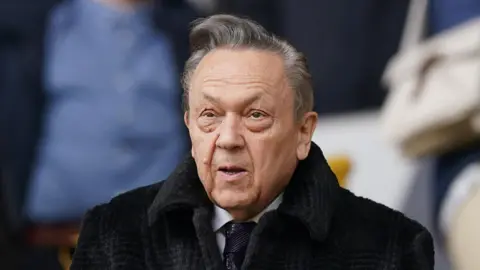 PA Media Former West Ham United chairman David Sullivan in the stands before the team's Premier League match at Molineux, Wolverhampton. He is wearing a black coat and tie with a white shirt.
bbc.com
PA Media Former West Ham United chairman David Sullivan in the stands before the team's Premier League match at Molineux, Wolverhampton. He is wearing a black coat and tie with a white shirt.
bbc.com
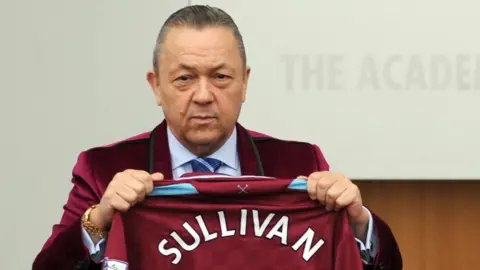 PA Media West Ham co-owner David Sullivan is holding a maroon shirt featuring his name, in a photograph dated 19 January 2010.
bbc.com
PA Media West Ham co-owner David Sullivan is holding a maroon shirt featuring his name, in a photograph dated 19 January 2010.
bbc.com
West Ham United’s largest shareholder David Sullivan has been barred from contact with the club’s women’s and youth teams since 2023, according to a joint BBC and Times investigation. The restriction, imposed by a safeguarding group involving West Ham, the Football Association and the local local authority, also prevents Sullivan from attending women’s and youth matches. The ban remains in place even as Sullivan continued to appear prominently at men’s team games at London Stadium.
The BBC reports the Football Association opened a safeguarding investigation in 2023 after receiving allegations about Sullivan’s conduct. The underlying accounts described in the investigation stretch back decades, with multiple women alleging Sullivan abused his position and targeted young women seeking work connected to his adult-industry businesses and newspapers. Eight women, including one linked to the safeguarding inquiry, have reported disclosures to police, the BBC says, but none of the cases has resulted in charges. The Metropolitan Police said it assesses any information or evidence provided and treats such allegations seriously.
What the club’s internal cordon reveals is how modern football tries to manage reputational and legal risk without necessarily changing who holds power. West Ham and the FA both said they have robust safeguarding measures, while declining to discuss individual cases—an approach that protects confidentiality but also limits outside scrutiny. The practical outcome, as described by the BBC, is a split-screen governance model: Sullivan is deemed unsuitable to be around women and minors connected to the club, yet remains central to the men’s matchday spectacle and, crucially, to ownership.
The story also lands as English football is preparing for a new Independent Football Regulator, which has already contacted West Ham seeking urgent information about Sullivan’s suitability, according to the BBC. That regulator is being built to reduce reliance on clubs policing themselves, but its leverage will depend on what it can compel owners to disclose and what penalties it can impose when the facts are contested or old. With police investigations not producing charges, and safeguarding decisions operating under a different evidentiary standard, the gap between “unproven in court” and “too risky for youth environments” becomes the space where institutions make their real decisions.
Sullivan resigned as co-chair and a director shortly before publication, but he remains the club’s largest shareholder, the BBC reports. The ban described in the investigation is not about the men’s first team at all; it is about who is allowed near the parts of the club with the least bargaining power.