
Brazil judge orders jury trial in Dom Phillips and Bruno Pereira murders
Prosecutors say alleged mastermind ran Javari Valley criminal network, phone records and legal-fee payments become the case’s spine
Images
 An Indigenous demonstrator in Brasília, Brazil, walks past a poster of the British journalist Dom Phillips and Bruno Pereira, who worked with an Indigenous organisation, after the men went missing in the Amazon in 2022. Photograph: Ueslei Marcelino/Reuters
theguardian.com
An Indigenous demonstrator in Brasília, Brazil, walks past a poster of the British journalist Dom Phillips and Bruno Pereira, who worked with an Indigenous organisation, after the men went missing in the Amazon in 2022. Photograph: Ueslei Marcelino/Reuters
theguardian.com
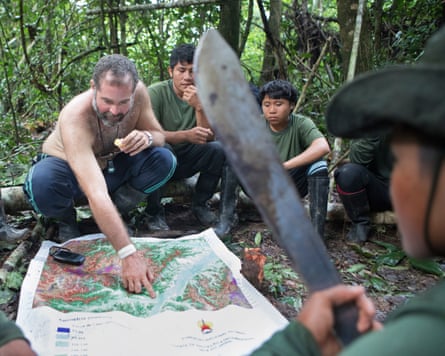 Bruno Pereira photographed on an Amazon expedition in 2018. Photograph: Gary Calton/The Observer
theguardian.com
Bruno Pereira photographed on an Amazon expedition in 2018. Photograph: Gary Calton/The Observer
theguardian.com
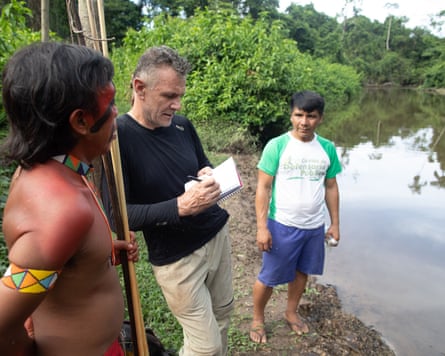 Dom Phillips interviewing two Indigenous men in Aldeia Maloca Papiú, Brazil, in 2019. Photograph: João Laet/AFP/Getty Images
theguardian.com
Dom Phillips interviewing two Indigenous men in Aldeia Maloca Papiú, Brazil, in 2019. Photograph: João Laet/AFP/Getty Images
theguardian.com
A federal judge in Brazil has ordered that the alleged mastermind behind the 2022 killings of journalist Dom Phillips and Indigenous advocate Bruno Pereira be tried by jury. According to The Guardian, Judge Cristina Lazzari Souza found there was evidence of the crimes and sufficient indications that Ruben Dario da Silva Villar, known as “Colômbia”, played a directing role, while stressing that the final verdict will be for jurors.
The case has become a reference point for how environmental crime in the Amazon is policed: not as a single act of violence, but as an ecosystem of logistics, money and protection. Federal police say Silva Villar led a transnational network exploiting the Javari Valley, one of Brazil’s largest Indigenous territories, and that Pereira was targeted for trying to disrupt illegal fishing and other predatory activity in the region. Phillips, a British reporter, was accompanying Pereira while reporting for a book project; investigators believe he was killed after witnessing Pereira’s murder.
Prosecutors and police have described a chain of coordination that is difficult to reconcile with the idea of isolated local gunmen. The Guardian reports that investigators identified hundreds of phone calls between Silva Villar and men accused of carrying out the killings in the days before, during and after the ambush near Atalaia do Norte. The judge’s ruling cited indications that Silva Villar supplied ammunition and paid initial legal fees for one suspect — the kind of post-crime support that, in practice, helps keep operatives loyal and silent.
Silva Villar is already in prison on separate charges related to the use of false documents, a detail that underlines the administrative side of Amazon crime: moving goods and people across borders requires paperwork as much as weapons. Police allege the network bought illegally caught fish for resale in Peru and Colombia, turning a remote river economy into an export pipeline. The murders, in this reading, were not only retaliation but also risk management: removing a disruptor and eliminating a witness.
The charges — including double-qualified homicide and concealment of corpses — point to the gap between Brazil’s formal legal reach and the realities of contested territory, where enforcement depends on whether the state can sustain pressure after the headlines fade. Prosecutor Guilherme Diego Rodrigues Leal told The Guardian that rigorous punishment of those responsible matters; the trial will test whether that promise extends beyond the triggermen to the financiers.
Phillips and Pereira disappeared while returning from a reporting trip; their bodies were later found. Four years on, the next step is a jury trial in Amazonas state, with the alleged backer still contesting that the evidence is enough to put him in the dock.