
Nigerian communities negotiate peace deals with bandit gangs
Local mediators trade access for calm as kidnappings and protection taxes outcompete state security
Images
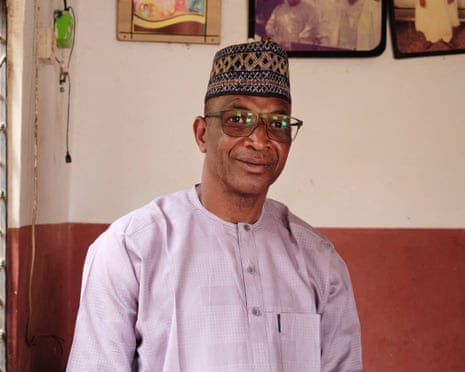 Dayyabu Abba-Kurfi was instrumental in arranging a peace deal with bandits. Photograph: Terna Iwar/The Guardian
theguardian.com
Dayyabu Abba-Kurfi was instrumental in arranging a peace deal with bandits. Photograph: Terna Iwar/The Guardian
theguardian.com
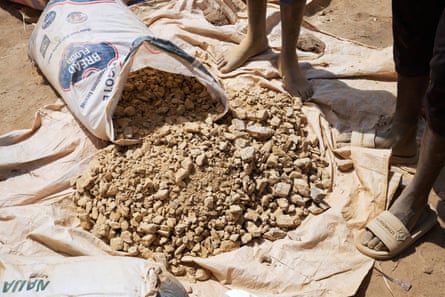 Young men work to break rocks to fine powder at a goldmine in Nahuta. Photograph: Terna Iwar/The Guardian
theguardian.com
Young men work to break rocks to fine powder at a goldmine in Nahuta. Photograph: Terna Iwar/The Guardian
theguardian.com
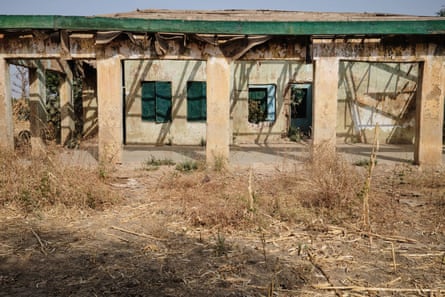 A clinic abandoned and then destroyed by bandits in Nahuta. Photograph: Terna Iwar/The Guardian
theguardian.com
A clinic abandoned and then destroyed by bandits in Nahuta. Photograph: Terna Iwar/The Guardian
theguardian.com
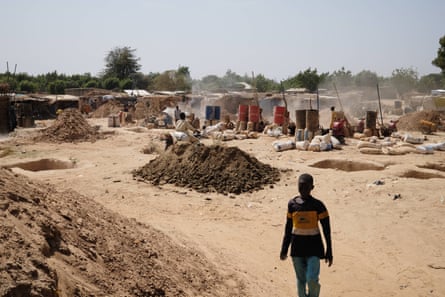 Gold refining is a community endeavour in places across the north-west of Nigeria. Photograph: Terna Iwar/The Guardian
theguardian.com
Gold refining is a community endeavour in places across the north-west of Nigeria. Photograph: Terna Iwar/The Guardian
theguardian.com
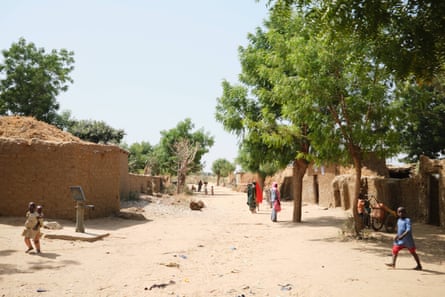 Nahuta, a mining and processing town, lived under threat of bandit attacks until the peace deal. Photograph: Terna Iwar/The Guardian
theguardian.com
Nahuta, a mining and processing town, lived under threat of bandit attacks until the peace deal. Photograph: Terna Iwar/The Guardian
theguardian.com
In Nigeria’s northwest, some communities are testing a form of peace-making that the state’s security operations have struggled to deliver: direct negotiation with bandit leaders, often mediated by local figures who can move between villages and armed camps. The Guardian reports from Katsina state on a 2023 pact brokered in Kurfi between local communities and bandit gangs, part of a broader trend in which elders and intermediaries try to buy calm where military raids have tended to displace violence rather than end it.
The background is a long squeeze on land and livelihoods. The Guardian describes how population growth and climate pressure have narrowed grazing routes, feeding disputes between herders and farmers and leaving room for armed groups to recruit among young men who see few legal options. Researchers cited by the paper describe grievances around land ownership and perceptions of unequal state support, which can be mobilised into violence and then repurposed into profit.
That profit is increasingly organised. SBM Intelligence figures cited by The Guardian put recorded kidnapping incidents in Nigeria at roughly 15,000 between 2019 and 2025, concentrated in the northwest, with ransoms totalling 2.57 billion naira collected between July 2024 and June 2025. Bandit groups also tap illegal mining and, in some areas, impose levies that function like protection taxes. For villagers, the cost shows up as abandoned farms, destroyed clinics and routines built around fear: families eating early and hiding overnight, or splitting up during escapes to reduce the odds of a single massacre.
Government responses have created their own market signals. The Guardian notes that Nigeria has offered amnesty payments to militants who surrender weapons, a policy critics say can advertise the returns to armed mobilisation. Military operations, meanwhile, can push gangs into neighbouring districts rather than dismantling networks, leaving communities to face a shifting threat landscape with limited police presence.
Local peace deals trade on proximity and credibility. Mediators are often “familiar faces,” the paper reports—people who can reach both sides, verify promises and translate local demands into terms armed leaders will accept. But the arrangements can also formalise parallel governance: some communities have accepted bandits collecting taxes in exchange for stopping raids, effectively paying for the security the state cannot reliably provide.
In Katsina, where multiple local government areas have faced repeated attacks, the attraction of a deal is simple: it can reopen roads and farms faster than a distant operation plan. The Guardian reports that after one neighbouring agreement held, other bandit leaders expressed interest in replicating it.