
Pentagon adds Alibaba Baidu and BYD to China military company list
188 entities now flagged under 2021 NDAA tool, consumer tech brands learn what dual use means on paper
Images
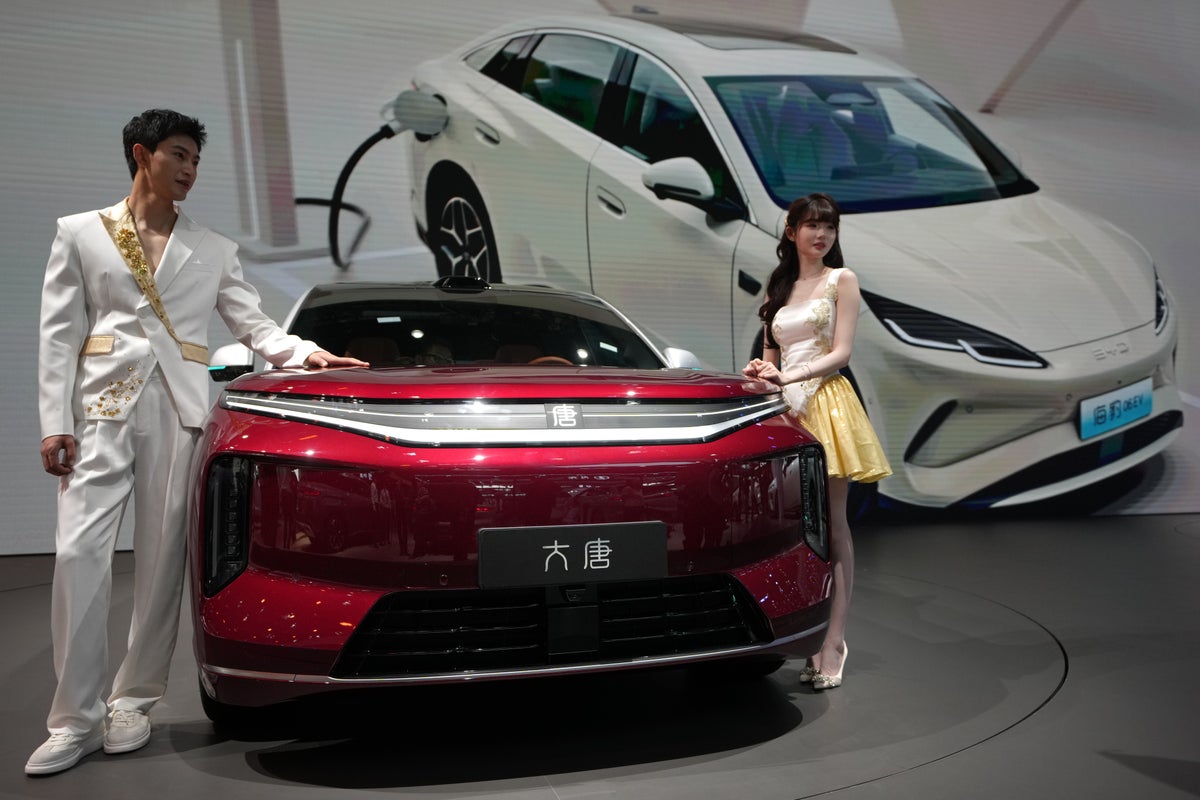 Pentagon labels tech giant Alibaba and electric car maker BYD as aiding Chinese military
independent.co.uk
Pentagon labels tech giant Alibaba and electric car maker BYD as aiding Chinese military
independent.co.uk
 Sean O'Kane
techcrunch.com
Sean O'Kane
techcrunch.com
The Pentagon has added Alibaba, Baidu and BYD to a statutory list of Chinese companies it says support the People’s Liberation Army, expanding a tool that started as a narrow defence-screening measure into a broader reputational and compliance weapon. According to The Independent, the updated roster now covers 188 entities, up from roughly 130 the previous year, and includes firms best known as consumer-facing platforms and global exporters.
The immediate practical effect is limited: designation bars access to US defence contracts and does not automatically ban commercial activity in the United States. The more durable effect is that the list functions as a pre-clearance filter for everyone else. Banks, insurers, auditors, index providers and corporate procurement teams rarely need a legal prohibition to step back; a government label is often enough to trigger internal risk committees and contractual clauses. TechCrunch notes the list’s expansion increases the chance the Department of Defense could make it harder for US companies to do business with the named entities, even if the first move is simply to make counterparties explain themselves.
The companies named this round sit in sectors Washington now treats as dual-use by default. Baidu is a leader in autonomous vehicles in China, a field that shares sensors, mapping and machine-learning pipelines with military logistics and targeting. BYD is a dominant electric-vehicle maker, and the same battery supply chains and power electronics that win export markets are also what armies want for drones, communications and mobile power. The Pentagon’s stated rationale, cited by The Independent, points to affiliations with China’s Ministry of Industry and Information Technology, the body that steers industrial policy—an indicator of how thin the line has become between “private” champions and state priorities in China’s system.
Beijing’s response followed a familiar script. The Chinese Embassy accused the US of stretching national-security concepts and producing discriminatory lists, while arguing Chinese companies comply with local laws where they operate, The Independent reports. But the US is also sending signals to domestic politics: TechCrunch highlights that most of China’s biggest AI companies are now on the list, after Tencent was added last year, and that automotive players are increasingly in scope. That matters because US debate about Chinese EVs is already moving from tariffs toward outright restrictions, while investors are being asked to price in policy risk that can change faster than earnings.
The list itself has shown signs of bureaucratic volatility. TechCrunch reports the update was briefly published earlier in the year before being pulled from the Federal Register for unexplained reasons, then reappeared. For the companies, that kind of stop-start process is not a reprieve; it is a reminder that access to US capital markets and counterparties can hinge on administrative timing as much as on court judgments.
Alibaba still trades on the New York Stock Exchange. It is now also, in the Pentagon’s paperwork, part of the same category as the drone makers and sensor firms the US has been trying to fence off for years.