
USAID contraceptives for Africa remain stranded in Belgium
Trump-era aid dismantling leaves Kenyan clinics rationing supplies, post-abortion care cases rise at one Nairobi centre
Images
 The Trump‑blocked contraceptives that never reached Kenya: “I am not ready to have another baby”
english.elpais.com
The Trump‑blocked contraceptives that never reached Kenya: “I am not ready to have another baby”
english.elpais.com
Millions of dollars’ worth of contraceptives that were supposed to reach African clinics have sat in a warehouse in Geel, Belgium since early 2025, according to El País. The shipment—valued at $9.7 million and procured through USAID—was stranded after the Trump administration dismantled what the paper calls the world’s largest development aid organisation. About 77% of the supplies were intended for roughly 10 African countries, including Kenya, Nigeria, the Democratic Republic of Congo and Mali.
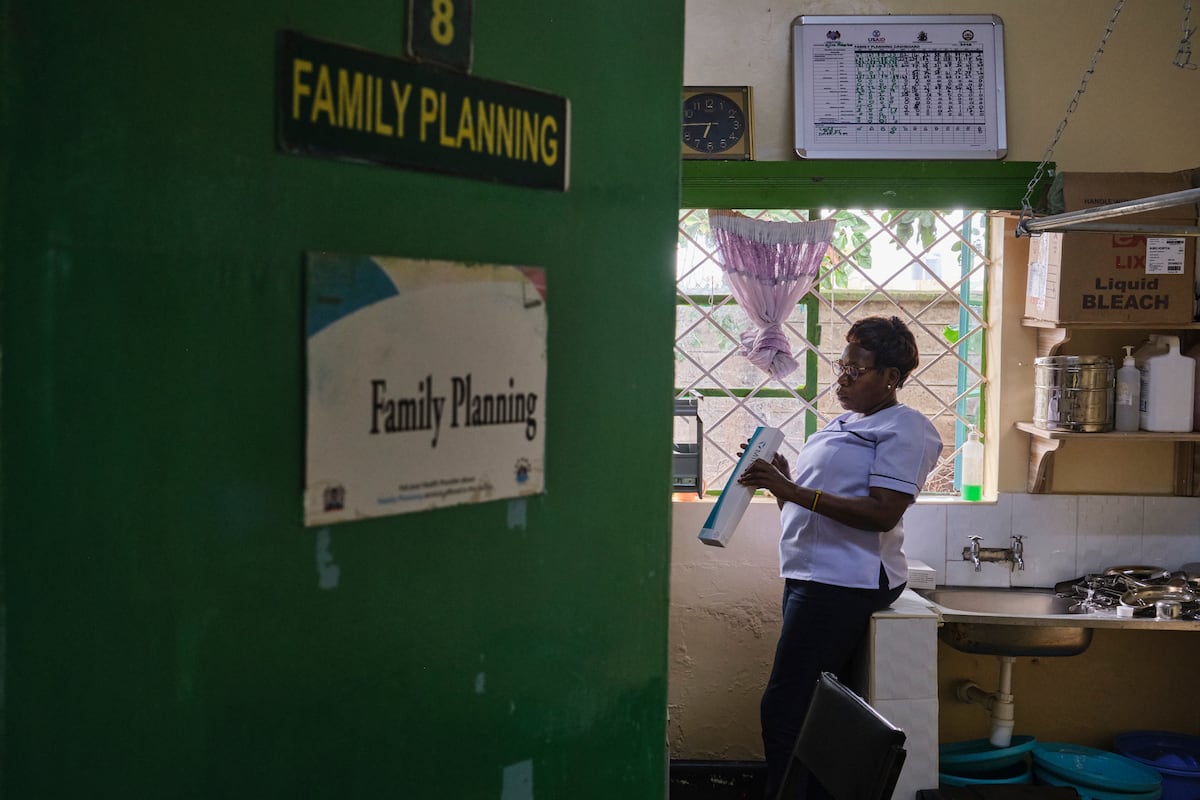
In Nairobi, the shortage shows up less as a headline than as a calendar problem: implants expire, appointments are pushed out, and clinics substitute whatever method is still on the shelf. El País reports that at the Embakasi health centre staff have been unable to provide combined oral contraceptives to any patient since January 2026, tracking stock with a hand-drawn monthly chart that shows zeros across the year. Emergency contraception was out of stock in March and April, while intrauterine devices and subdermal implants appear intermittently. Women interviewed by the paper describe waiting for resupply or being urged to switch methods—an option many resist after hearing stories of side effects or misinformation.
Kenya’s demand for family planning is not marginal. El País cites data showing 76% of married women aged 15 to 49 want family planning, while modern contraceptive use is 57%, leaving a large gap that clinics typically manage through steady procurement and routine follow-up. When that pipeline breaks, the costs move quickly from procurement spreadsheets to households: one woman quoted by El País says she cannot afford a privately purchased implant—about 1,500 Kenyan shillings, plus the cost of a clinical visit—after her previous implant expired.
Clinics also absorb downstream medical risk. At Embakasi, post-abortion care has increased by 50%, El País reports, rising from about 10 cases per month last year to 15–20 now, with most patients aged 19 to 24 and having had abortions outside the health system. Kenya’s constitution permits voluntary termination only in medical emergencies or when the mother’s life is at risk, a legal boundary that does not reduce the number of unintended pregnancies so much as shift where complications are treated.
The contraceptives remain in storage in Belgium, at risk of expiring or being destroyed. In the meantime, the shortage is being managed one appointment at a time, with a chart on a clinic wall marking what is no longer available.