
Magnitude 7.8 earthquake hits southern Philippines
Tsunami warnings trigger evacuations across Mindanao, early casualty counts diverge as damage assessments begin
Images
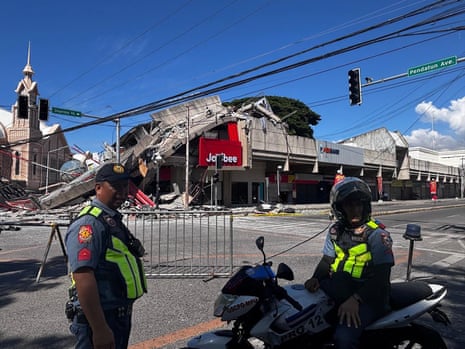 Police gather in front of a collapsed Jollibee fast food restaurant after an 7.8 magnitude earthquake in General Santos City, Philippines, on 8 June 2026. Photograph: Edwin Espejo/AFP/Getty Images
theguardian.com
Police gather in front of a collapsed Jollibee fast food restaurant after an 7.8 magnitude earthquake in General Santos City, Philippines, on 8 June 2026. Photograph: Edwin Espejo/AFP/Getty Images
theguardian.com
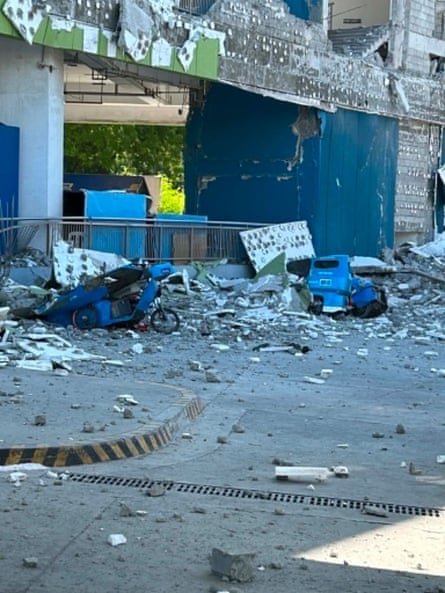 Vehicles damaged by debris after a powerful earthquake hit the Mindanao region in the Philippines on Monday. Photograph: Ernesto Torres Jr/AP
theguardian.com
Vehicles damaged by debris after a powerful earthquake hit the Mindanao region in the Philippines on Monday. Photograph: Ernesto Torres Jr/AP
theguardian.com
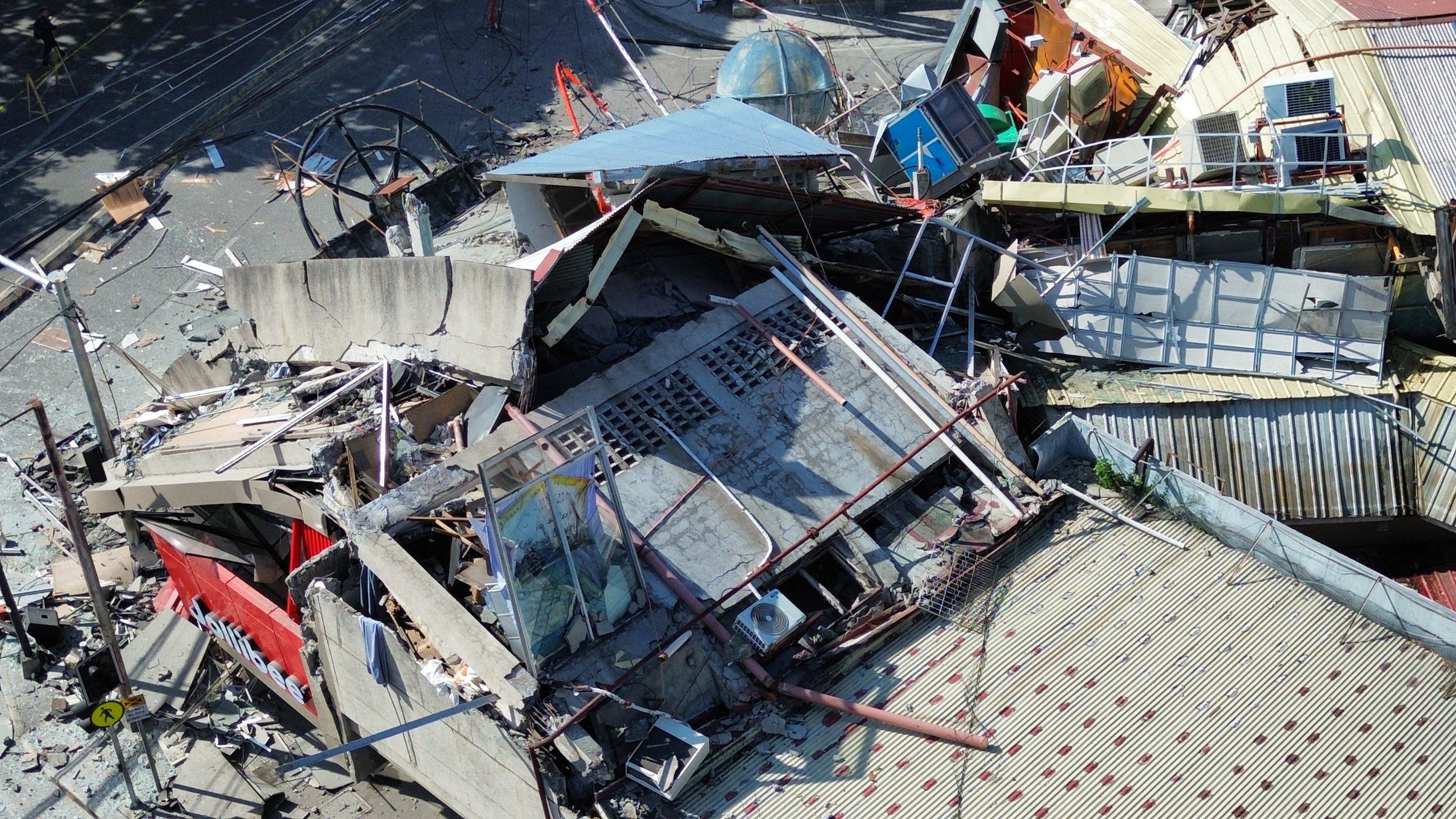 Reuters
A magnitude 7.8 earthquake struck off Mindanao in the southern Philippines on Monday morning, killing at least several people and injuring many more, according to The Guardian and The Independent. Tsunami warnings were issued for parts of the Philippines and extended to nearby coasts, prompting evacuations to higher ground as aftershocks continued. Local reports cited building damage in and around General Santos City, along with power and telecommunications disruptions in affected provinces.
The quake landed at the intersection of two realities that often coexist in the archipelago: routine exposure to extreme hazards and uneven capacity to absorb them. The Philippines sits on the Pacific “Ring of Fire”, and the first public instructions after the shaking stopped were not about rebuilding but about moving—leave the coastline, do not enter damaged buildings, expect aftershocks. The Pacific Tsunami Warning Center’s alerts rippled outward to Indonesia and Malaysia, and smaller waves were considered possible across a wider western Pacific arc, a reminder that a single undersea event can become a multi-country civil-defence exercise within minutes.
The immediate economic problem is that disasters do not wait for balance sheets. When power and communications fail, the costs show up first as lost hours—closed schools, disrupted transport, stalled commerce—before the harder-to-measure losses from damaged structures and interrupted supply chains. The Guardian reported verified footage of structural collapse at a commercial site in General Santos, and other reports described damage at public buildings; each cracked wall turns into an inspection queue, a repair contract, and a decision about whether to reopen. Tsunami warnings, even when waves are limited, can also impose their own price: evacuations empty coastal businesses, freeze port activity, and force governments to mobilise resources that were budgeted for something else.
The discrepancy between early casualty figures in different reports also illustrates how information moves after a major quake. The Independent reported at least four deaths and more than 200 injuries, while The Guardian cited police reports of at least three deaths and a smaller number of injuries by Monday afternoon. In the hours after a shock, numbers often reflect what can be verified rather than what has happened, and the gap tends to close only after hospitals, local authorities, and national agencies reconcile their counts.
By midday, the most concrete measure of preparedness was not a plan on paper but whether evacuation centres were operating and whether rescue routes could be cleared, as President Ferdinand Marcos Jr said agencies were doing. In parts of Mindanao, people were still being told to stay out of damaged homes while the ground kept moving.