
Elephants raid Zambian farms near Livingstone
Drought and growing herds push wildlife out of parks, a single night’s crop loss becomes the price of conservation corridors
Images
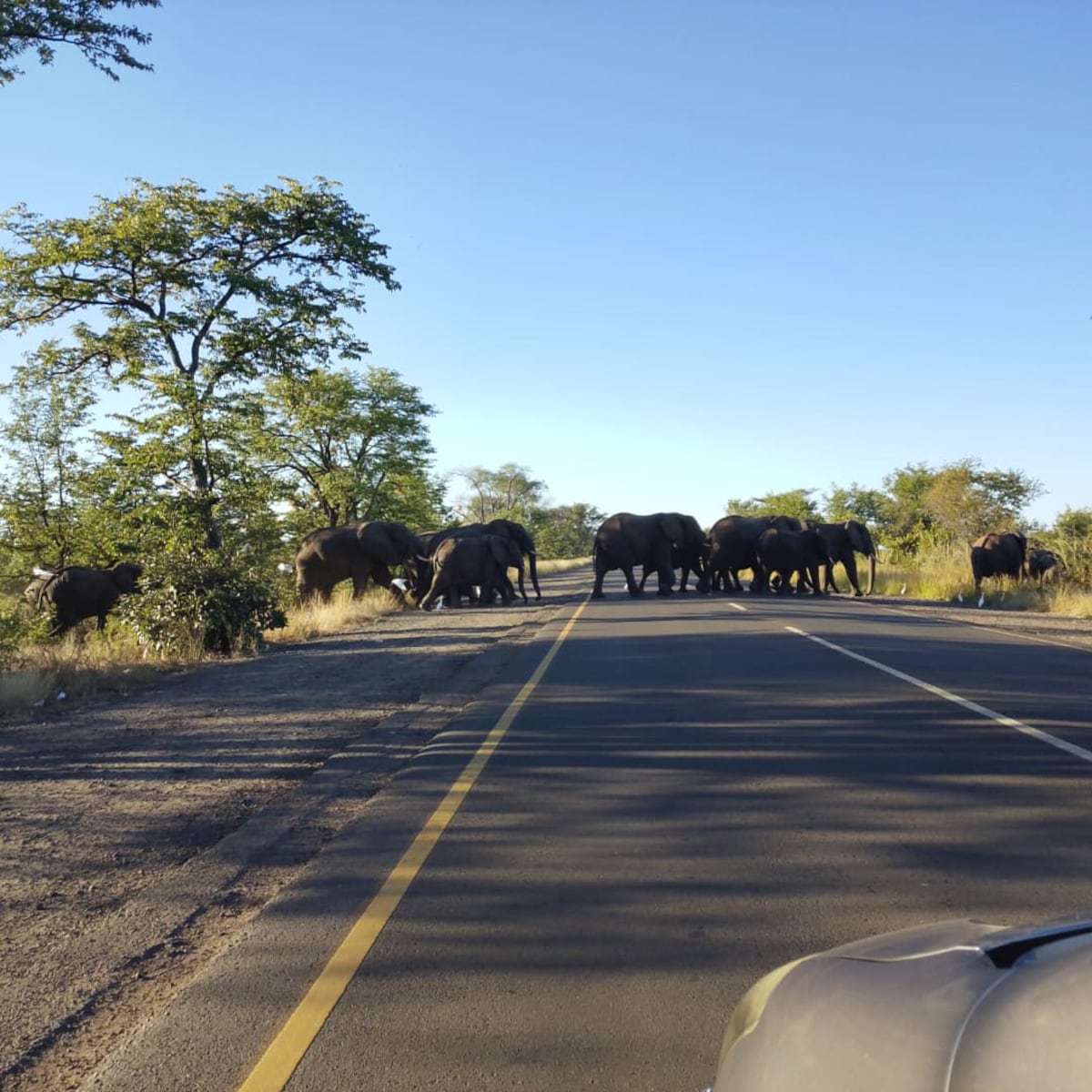 Hungry elephants displaced by the climate crisis with farmers for food in Zambia: ‘They ate the maize the whole night’
english.elpais.com
Hungry elephants displaced by the climate crisis with farmers for food in Zambia: ‘They ate the maize the whole night’
english.elpais.com
A maize field outside Livingstone in southern Zambia was stripped overnight after elephants moved in and ate through the crop, according to El País. The farmer, Veronica Akabondo, told the paper she lost about 6,000 kilograms of maize in a single night, alongside pumpkins planted in the same plot.
The losses are landing in a region where conservation policy, climate stress and rural poverty collide in the same place: the edge of protected land. Livingstone borders Mosi-oa-Tunya National Park, which opened in 2012 and forms part of the Kavango-Zambezi Transfrontier Conservation Area, a cross-border network of parks and wildlife corridors spanning Angola, Botswana, Namibia, Zambia and Zimbabwe. The project is designed to keep migratory routes open for a population of more than 200,000 elephants, described by El País as the world’s largest.
But the corridors do not feed families when rains fail. Zambia has been hit by extreme weather in recent years, including severe droughts and flooding, which El País reports have reduced harvests and worsened malnutrition. The paper cites figures that more than 60% of Zambians live below the poverty line and that roughly one-third of children under five have stunted development linked to poor nutrition. In that setting, a destroyed harvest is not a bad season; it is a household crisis.
UNDP has reported an increase in incidents of elephants leaving Mosi-oa-Tunya since drought began, as water sources dry up and food becomes scarce. El País also describes an additional pressure: elephant numbers in and around the park have risen as animals move in from neighbouring countries. The result is more frequent contact between animals and farms, and more violent clashes. Some farmers have killed elephants that enter their fields, turning conservation success into a local security problem.
The timing has shifted as well. Farmers interviewed by El País said elephants used to appear later in the year, around May to July, but are now arriving while crops are still standing. Another farmer, Kennedy Muleya, said elephants destroyed his maize in February, something he had never experienced before. Intervening at night is often impossible: elephants can kill humans, and the animals typically arrive after dark.
Across the border in Malawi, El País notes, elephant movements have also become politically sensitive. Malawi reintroduced hundreds of elephants to Kasungu National Park in 2022, and the paper reports multiple clashes since then, with at least 10 deaths linked to human-elephant encounters and dozens of hectares of crops destroyed.
Akabondo’s missing maize is the kind of number that fits neatly into a conservation report. In her field, it is the difference between a harvest and an empty storehouse.