
ISS air leak triggers evacuation-ready shelter order
NASA pauses operations as Zvezda module cracks worsen, astronauts return to work after safe-haven drill
Images
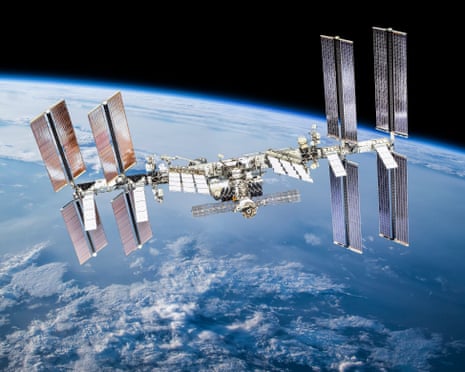 The International Space Station orbiting Earth. Photograph: dima_zel/Getty Images/iStockphoto
theguardian.com
The International Space Station orbiting Earth. Photograph: dima_zel/Getty Images/iStockphoto
theguardian.com
NASA briefly ordered astronauts aboard the International Space Station into their docked evacuation spacecraft on Friday after a long-running air leak in the station’s Russian segment worsened, according to The Guardian. Mission control told the crew to don spacesuits and take shelter inside a SpaceX Crew Dragon capsule while engineers assessed data and Russian teams worked on repairs. Later the same day, NASA said the astronauts could end the “safe haven” posture and return to normal duties.
The episode is the latest escalation in a months-long dispute between NASA and Russia’s space agency Roscosmos over the source and fix for small leaks tied to the Zvezda service module transfer tunnel, known as PrK. Reuters, cited by The Guardian, reported that the leak rate recently increased from about one pound of air loss per day to two pounds per day, based on comments from a senior NASA official speaking anonymously. Roscosmos has said it detected two oxygen leaks, sealing one quickly and preparing to seal the second, while insisting there was no immediate danger to the crew.
What makes the incident harder to dismiss as routine is not the immediate outcome—no evacuation occurred—but the way operations now hinge on layered workarounds: monitoring cracks, periodic partial repairs, and procedural drills that treat a docked return vehicle as a standing refuge. On Friday afternoon, NASA said Roscosmos had paused structural repairs while measurements and data were evaluated, a reminder that even “more extensive” repair attempts can be interrupted by uncertainty about what is actually changing inside the structure.
The ISS is often described as an emblem of international cooperation, but the practical reality is that two primary operators must agree not only on the engineering diagnosis but on what level of risk is acceptable to keep the laboratory staffed. The Guardian notes that NASA said it would continue working collaboratively with Roscosmos and the broader international partnership to find a more permanent resolution. Yet the station’s day-to-day safety posture is set by the same institutions that are also responsible for extending the station’s working life, funding its maintenance, and defending their own technical judgments.
On Friday morning, the immediate plan was simple: suits on, capsule ready, and a crew waiting for the numbers to settle. By the afternoon, the astronauts were back at work on the station that had just sent them to their lifeboat.