
Aram Harrow says practical quantum computers may arrive sooner
Error correction and falling noise rates push beyond decade-long forecasts, cryptography migrations stay slow even when hardware speeds up
Images
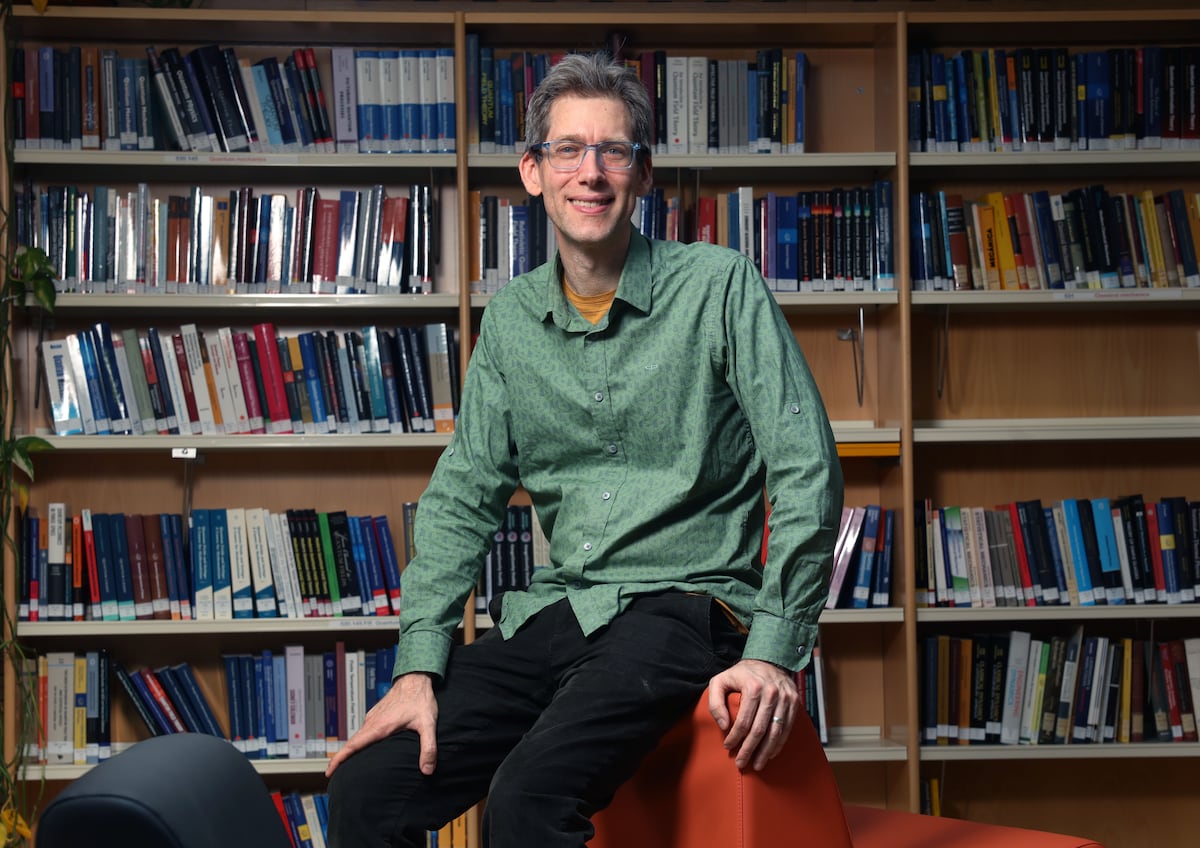 Aram Harrow, quantum researcher: ‘These computers won’t take 10 years; they’ll arrive sooner’
english.elpais.com
Aram Harrow, quantum researcher: ‘These computers won’t take 10 years; they’ll arrive sooner’
english.elpais.com
Quantum computing researcher Aram Harrow says the era of “interesting” machines may arrive earlier than the standard 10-year horizon, pointing to recent gains in error correction and steadily falling noise rates. In an interview with El País, Harrow—who co-developed the HHL algorithm in 2008—argues that systems with thousands of qubits could appear sooner than even his own earlier forecasts.
The claim matters less as a prediction game than as a description of what has already changed in the labs. According to El País, Harrow describes a field where small quantum computers exist, but the next bar is narrower and harder: performing tasks that current classical computers cannot. Google has already publicised a milestone along those lines, and Harrow points to quieter progress since then—especially in error correction, the unglamorous work of keeping fragile qubits from being overwhelmed by noise. The gating factor is not just adding qubits, but being able to run enough operations on each qubit before the computation collapses; Harrow says the number of usable operations has been improving year by year.
That framing also clarifies why timelines keep slipping in public discussion. Hardware teams can show bigger devices, while software teams can show clever algorithms, but neither side can cash out without the other. Harrow tells El País that many quantum algorithms were devised long before hardware could plausibly run them, a pattern that echoes earlier waves of artificial intelligence: techniques existed for decades, then suddenly became practical when data and compute caught up. If quantum error correction continues to improve, the “thousands of qubits” milestone becomes less a symbolic round number and more a threshold where certain algorithms stop being toy demonstrations.
The obvious winners from that threshold are sectors where simulation is expensive and mistakes are costly. Harrow highlights molecular simulation for chemistry and materials science—problems where classical approximations can be the difference between a promising compound and a dead end. The obvious losers are systems that assume today’s encryption will remain hard to break; Harrow lists codebreaking as a major application, and the closer the hardware gets, the more urgent the migration to post-quantum cryptography becomes. The transition is bureaucratic and slow even when the threat is clear; the work is largely invisible until it is too late to do quickly.
Harrow is spending a year at Spain’s Institute of Mathematical Sciences in Madrid, El País reports, while arguing that the next quantum leap may not wait for the next decade to end. The machines are still small, but the error bars in public timelines are narrowing in one direction.