
Hezbollah rejects renewed Israel Lebanon ceasefire
US-backed pilot security zones arrive without maps, truce terms spread faster than enforcement
Images
 Smoke billows from the Nabatieh area in southern Lebanon following an Israeli strike on Thursday
bbc.com
Smoke billows from the Nabatieh area in southern Lebanon following an Israeli strike on Thursday
bbc.com
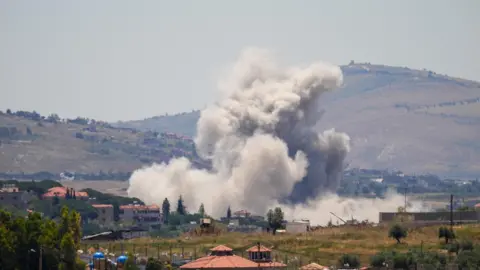 Smoke billows from the Nabatieh area in southern Lebanon following an Israeli strike on Thursday
bbc.com
Smoke billows from the Nabatieh area in southern Lebanon following an Israeli strike on Thursday
bbc.com
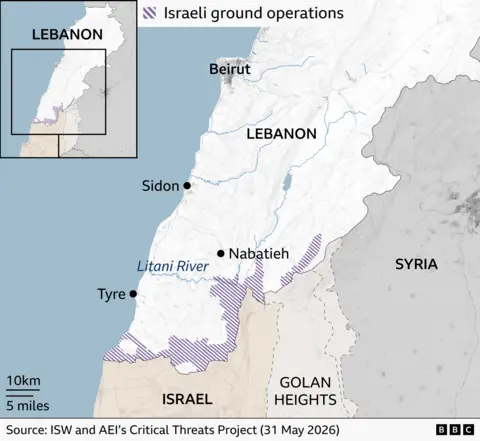 A map of Lebanon, Israel, Syria and the Golan Heights
bbc.com
A map of Lebanon, Israel, Syria and the Golan Heights
bbc.com
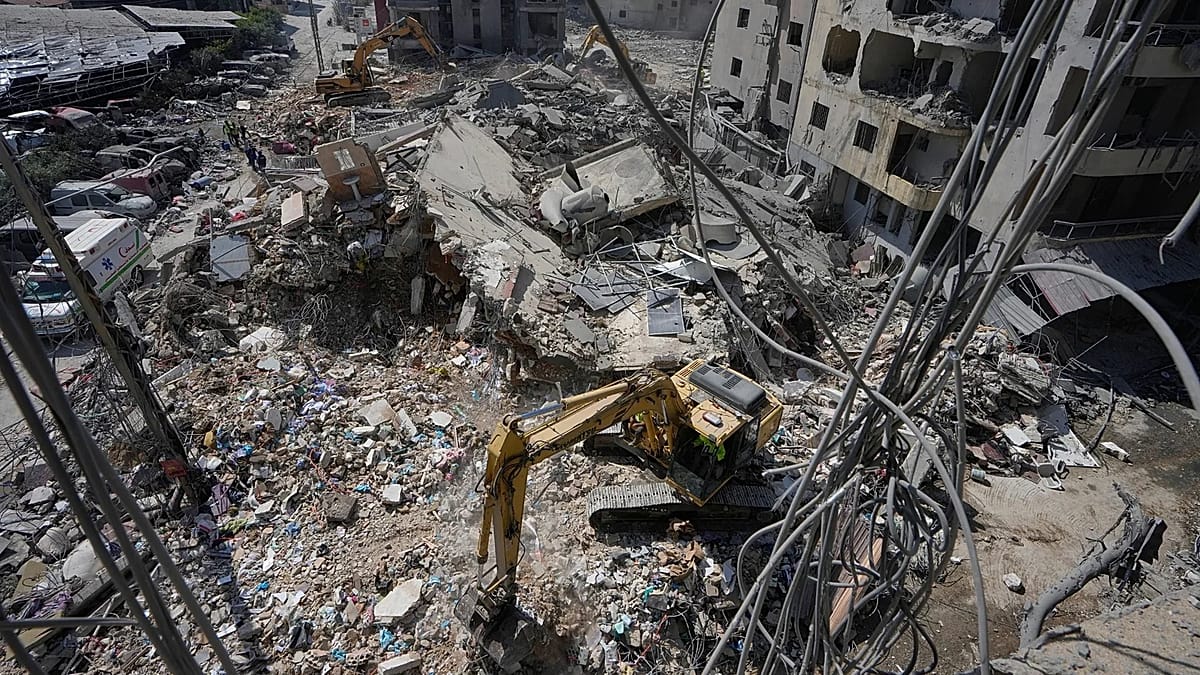 Hezbollah official: Militant group rejects proposed truce with Israel
euronews.com
Hezbollah official: Militant group rejects proposed truce with Israel
euronews.com
Hezbollah rejects US-backed Israel-Lebanon ceasefire, pilot security zones lack maps and buy-in, truce language expands while rockets keep flying
A US-backed statement announcing renewed ceasefire terms between Israel and Lebanon has been met with an immediate public refusal from Hezbollah, according to the BBC. The deal, released jointly by the US State Department, Israel and Lebanon, envisages “pilot” security zones inside Lebanon where Hezbollah operatives would be banned, with the Lebanese Armed Forces taking exclusive control. Hezbollah leader Naim Qassem called the talks “futile” and “humiliating”, saying the terms amounted to surrender.
The gap between the paper agreement and the actors expected to comply with it is built into the structure of the talks. Hezbollah was not part of the negotiations in Washington, yet the deal is explicitly contingent on a complete cessation of fire by Hezbollah, the BBC reports. Lebanese officials have presented the pilot zones as a step toward restoring state authority in the south, but the announcement came without maps or operational details—missing information in a country where front lines are measured village by village. On the ground, residents in Beirut’s southern suburbs described hearing strikes even after the ceasefire was announced, underscoring how quickly “renewal” can become a branding exercise rather than a change in behaviour.
The arrangement also asks the Lebanese state to enforce exclusions it has historically lacked the capacity to impose. The BBC notes that Hezbollah has built an armed force more formidable than the Lebanese army, and portrays itself as the only credible deterrent against Israel. That posture is reinforced when Israeli ground forces remain in parts of southern Lebanon while Hezbollah is asked to withdraw from the area between the border and the Litani river. Euronews adds that Hezbollah has said it made no commitment to stop fighting, and quotes Qassem warning that northern Israel will not be safe as long as Lebanese villages are bombed.
Regional diplomacy is leaning on the Lebanon file as a pressure valve for a wider confrontation. Euronews reports that Iran is demanding any lasting truce include Lebanon, and ties the ongoing fighting to efforts to end the Iran war and reopen the Strait of Hormuz. That linkage turns Lebanese villages into bargaining chips for negotiations whose main economic consequences—shipping risk, insurance costs and fuel prices—are often felt first outside Lebanon. The ceasefire language can expand to cover more fronts, but the enforcement burden still falls on institutions that do not control the militias they are meant to restrain.
Representatives from Israel and Lebanon are due to meet again later this month, the BBC reports. Until then, the only clearly defined “pilot zone” is the one created by whichever side has the next drone overhead.