
Seattle moves toward data centre moratorium
Proposed AI facilities would consume a third of city daily electricity demand, public utility readies separate large-load rates
Images
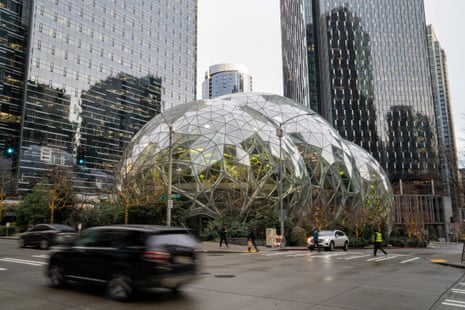 The Amazon headquarters in the South Lake Union neighborhood of Seattle. Photograph: Bloomberg/Getty Images
theguardian.com
The Amazon headquarters in the South Lake Union neighborhood of Seattle. Photograph: Bloomberg/Getty Images
theguardian.com
Seattle moves toward data-centre moratorium, proposed facilities would draw a third of city daily power, public utility prepares separate rates for large loads
Seattle’s city government is poised to adopt a year-long moratorium on new data-centre construction as officials scramble to price and regulate the electricity demands of AI-era infrastructure, the Guardian reports. Four companies have sought to build five large data centres in areas served by Seattle’s public utility, a buildout that lawmakers say would consume about one-third of the city’s current daily electricity demand.
A city council committee vote advanced both the moratorium and an accompanying resolution unanimously, with a full council vote expected the following week. Supporters describe the pause as a way to protect residents from higher utility bills and environmental hazards while the city writes rules specific to these facilities—rules that ordinary commercial zoning did not anticipate.
The details show where the pressure is landing. The moratorium is designed to give Seattle time to set pollution standards, define energy-connection requirements, and negotiate contract terms and labour standards tailored to data centres. It also creates room for the public utility to establish separate electricity rates for new “large load” customers, a step that shifts costs away from general ratepayers and onto the projects driving the grid expansion.
Seattle’s politics are being shaped by its own corporate geography. The city is home to Amazon and Microsoft, and the Guardian notes that both have laid off thousands of local workers over the past year while planning vast AI spending in 2026. That juxtaposition—shrinking payrolls alongside rising demands for power and land—has helped motivate organising by tech workers and climate activists, who have pressed city officials to slow approvals.
Councilmember Eddie Lin, who chairs the land use and sustainability committee, said he received more than 10,000 emails supporting the moratorium. The measure includes an amendment allowing existing data centres to apply for expansions needing up to 20 megawatts of additional power during the pause, and activists are pushing for tighter language to limit which kinds of expansions qualify.
Mayor Katie Wilson said she first learned of the proposed projects in April from a Seattle Times report, and then moved toward supporting a moratorium amid strong public backing. City officials have also floated the idea that, if data centres are ultimately permitted, approvals could be paired with public-benefit requirements such as contributions to affordable housing or transit.
For now, the city’s most concrete step is administrative: a one-year pause to rewrite the rules for facilities that can arrive faster than new generation and transmission can be built.