
SpaceX seeks public listing
Filings float roughly 75 billion dollar raise at about 1.75 trillion valuation, early price signal tests investor appetite for future earnings
Images
 Elon Musk is set to become the wealthiest person on earth with SpaceX stock market debut.
bbc.com
Elon Musk is set to become the wealthiest person on earth with SpaceX stock market debut.
bbc.com
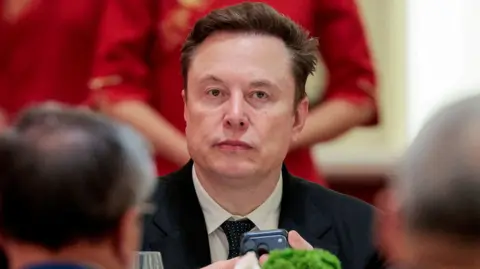 Elon Musk is set to become the wealthiest person on earth with SpaceX stock market debut.
bbc.com
Elon Musk is set to become the wealthiest person on earth with SpaceX stock market debut.
bbc.com
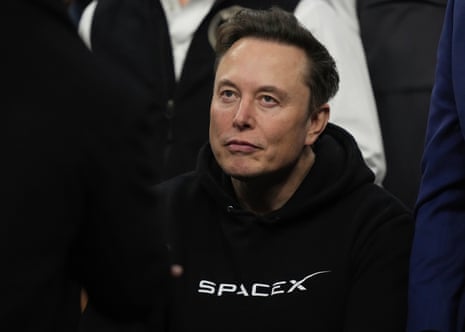 Elon Musk attends the finals for the NCAA wrestling championship on 22 March 2025 in Philadelphia. Photograph: Matt Rourke/AP
theguardian.com
Elon Musk attends the finals for the NCAA wrestling championship on 22 March 2025 in Philadelphia. Photograph: Matt Rourke/AP
theguardian.com
SpaceX files for public listing with roughly 75 billion dollar raise planned and a valuation around 1.75 trillion dollars, according to the BBC and the Guardian. The company disclosed an unusually early indicative share price in its filings, and the reports say it expects to begin trading later in June. Elon Musk is not selling shares in the offering, but would retain more than 80% control through voting power.
The listing would land at a moment when the boundary between private venture and public infrastructure has blurred. SpaceX is a commercial company with a consumer-facing satellite internet business, but it is also deeply embedded in US government procurement; the Guardian notes that NASA relies on SpaceX rockets for most of its launches. That dependence is a form of customer lock-in: once a state agency builds schedules, payload interfaces and mission plans around one provider, switching costs rise and “competition” becomes something discussed at hearings rather than experienced in operations.
The valuation being floated is also a bet on future cashflows rather than current performance. The BBC reports that SpaceX recorded substantial revenue but still posted large net losses in recent periods, and that its balance sheet includes significant debt alongside its assets. In that context, the pricing becomes a referendum on whether investors believe SpaceX can turn a portfolio of capital-intensive projects into durable margins—something easier to promise when the customer base includes governments that cannot easily walk away and that often pay for redundancy and surge capacity.
The timing aligns with a broader rush of public offerings by companies tied to compute and aerospace scale. The Guardian describes the current IPO wave as a capital grab for data centres and other long-lead infrastructure, with AI demand used as the growth narrative. SpaceX, the Guardian adds, has moved further into that orbit through the acquisition of Musk’s xAI and plans for solar-powered infrastructure, widening the story from rockets to energy and compute.
SpaceX was founded in 2002, and the company’s stated ambitions still include building a self-sufficient city on Mars, according to the Guardian. Next week’s marketing of a share price will be happening on Earth, in a market where half of companies that list end up worth less than their debut price, as the BBC notes.