
AD109 sleep apnea pill reduces breathing interruptions in trial
CPAP adherence problems drive demand for alternatives, one in five patients stopped the drug due to side effects
Images
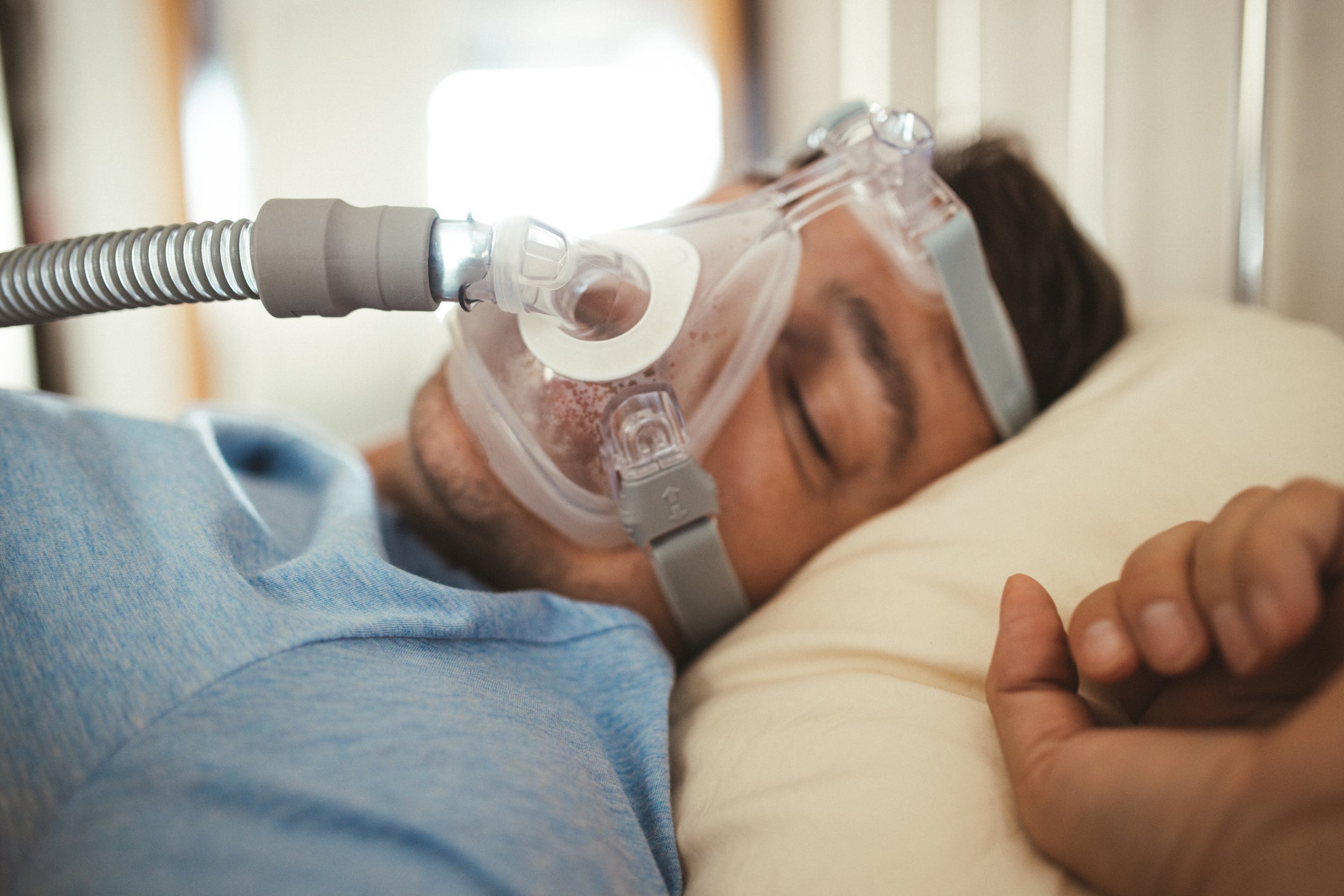 New results from a clinical trial of the first pill to treat obstructive sleep apnea are promising, researchers say. The pill helped improve severity of disease in more than 40 percent of patients (Getty Images/iStock)
Getty Images/iStock
New results from a clinical trial of the first pill to treat obstructive sleep apnea are promising, researchers say. The pill helped improve severity of disease in more than 40 percent of patients (Getty Images/iStock)
Getty Images/iStock
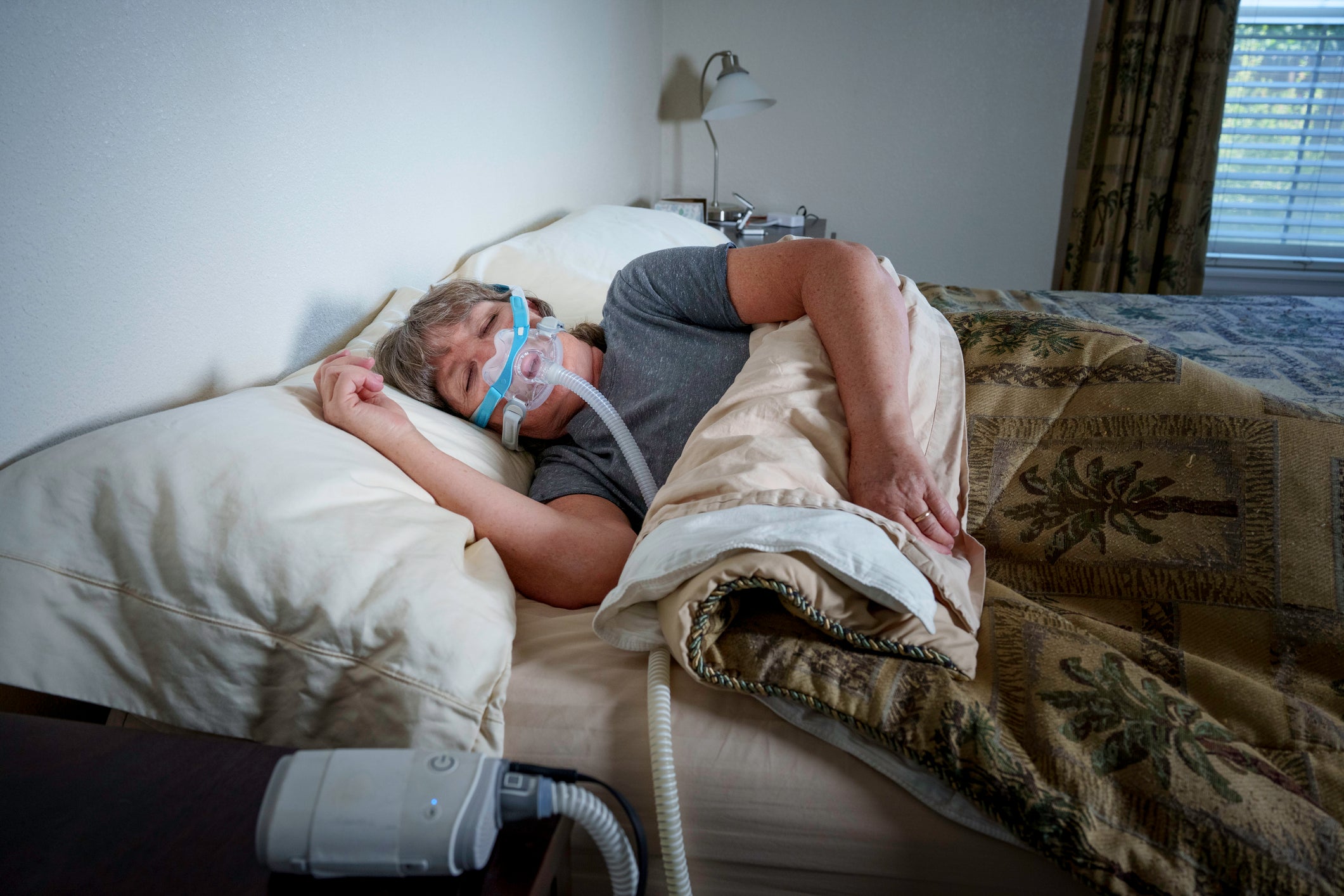 Obstructive sleep apnea is most commonly seen in men and seniors (Getty Images/iStock)
Getty Images/iStock
Obstructive sleep apnea is most commonly seen in men and seniors (Getty Images/iStock)
Getty Images/iStock
Sleep apnea pill AD109 cut breathing interruptions in a six-month trial, researchers tested the nightly drug in 646 adults at 69 sites in the US and Canada, many enrolled because they could not use CPAP. According to The Independent, patients on AD109 saw a 44% decrease in breathing interruptions versus 18% on placebo, and more than 40% improved in disease severity.
Obstructive sleep apnea is widespread and often untreated, with the American Academy of Sleep Medicine estimating tens of millions of cases in the US and a large share undiagnosed. The standard therapy, CPAP, works by forcing air through a mask to keep the airway open, but adherence is weak: past research cited by The Independent puts long-term discontinuation at nearly half of users within three years. That gap creates a market for alternatives that do not require equipment, fittings, and nightly tolerance of a mask.
AD109 is positioned as a medication that targets the mechanics of the disorder rather than weight or sleepiness symptoms. The Independent reports it combines two existing drugs—atomoxetine and aroxybutynin—to stimulate muscles that keep the airway open, reducing oxygen drops and the number of breathing events. The trial focused on adults who could not use CPAP, a population where improvement is easier to value because the alternative is often “no treatment” rather than a competing device.
The same trial also shows the trade-off a pill introduces: side effects and dropouts. The Independent reports dry mouth, nausea, insomnia, and difficulty urinating were common, and 21% of participants discontinued AD109 due to side effects. CPAP has its own burden—irritation, congestion, discomfort—but it does not create systemic drug exposure, and device problems are handled by swaps and adjustments rather than liver enzymes and urinary retention.
Drug treatment for sleep apnea is also arriving through other routes. The Independent notes Eli Lilly’s weight-loss drug Zepbound was approved by the US Food and Drug Administration in 2024 for sleep apnea, tying one pathway to metabolic change while AD109 aims at airway muscle tone. If pills become the default for patients who reject CPAP, the bottleneck shifts from mask fitting and supply chains to prescribing, monitoring, and tolerability.
In the AD109 trial, a meaningful share improved and a meaningful share quit. The difference between those two groups is what clinicians will be left to manage once the mask is no longer the only option.