
Sudan tracks thousands of stolen antiquities
Khartoum museums looted during civil war as databases vanish, rewards and Interpol links replace locked display cases
Images
 Tracking looted antiquities in Sudan’s war
english.elpais.com
Tracking looted antiquities in Sudan’s war
english.elpais.com
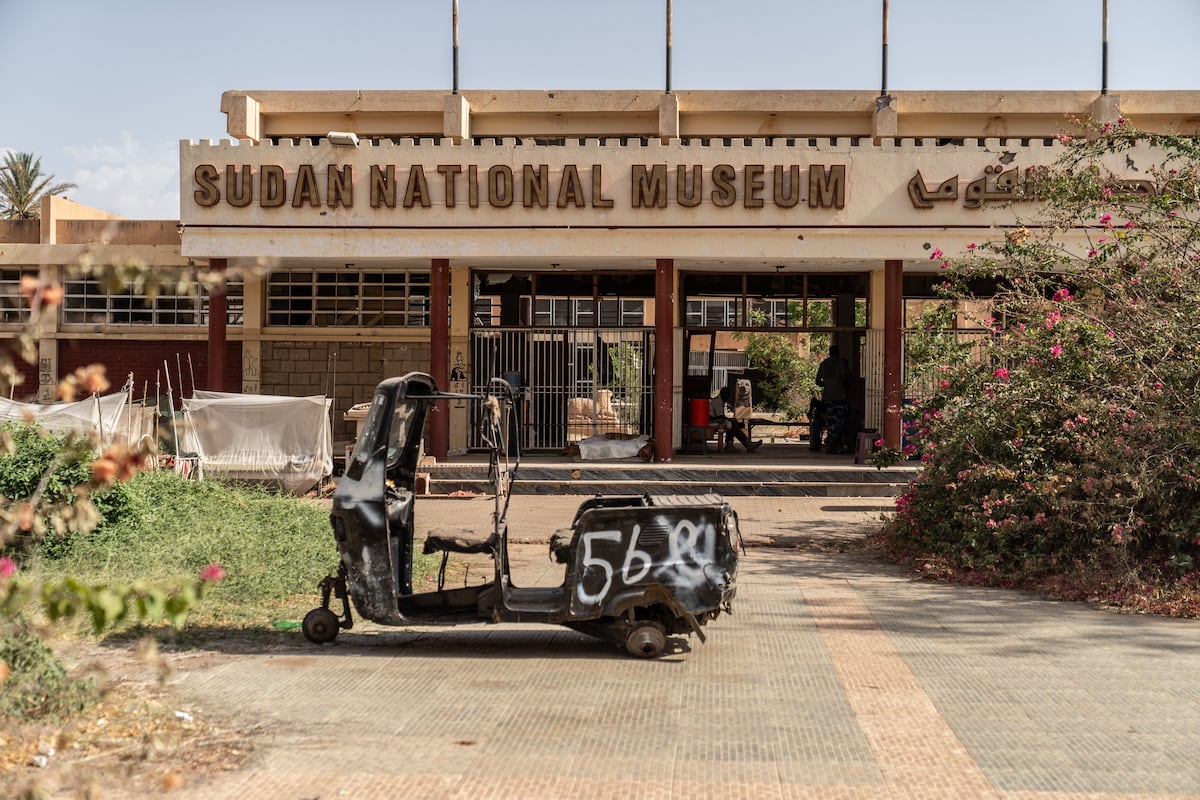
About 6,000 antiquities have been recorded as stolen in Sudan since civil war erupted in April 2023, according to a tracking effort described by El País. The report centres on Khartoum’s National Museum, where videos during the fighting showed armed men inside galleries and a laboratory, with mummies from the collection misrepresented as victims.
The museum’s looting is not described as a single raid but as a long, low-visibility drain that becomes easier once the normal machinery of state custody breaks down. El País reports that the National Museum’s database of collections was lost during the war, forcing Sudanese specialists to rebuild inventories while objects move through informal channels faster than paperwork can. The same conflict that emptied government offices also opened storage rooms: the Gold Chamber, described as high-security, was forced open and stripped, with more than 2,000 gold objects from the ancient Kingdom of Kush reported looted. Other institutions were hit as well, including the Presidential Palace Museum and the Khalifa House Museum in Khartoum, and museums in Darfur cities such as Nyala and El Geneina.
Sudan’s response, as portrayed in the report, relies on a small group of experts working quietly and then leaning on international enforcement networks that were built for peacetime casework. El País says Sudan created a Cultural Property Trafficking Unit in 2019, and that members trained in the UK with the British Museum, auction houses and Scotland Yard—relationships that matter once items begin to surface abroad. The team, led by Ikhlas Abdel Latif, director of the Sudanese Museums Sector, is described as collaborating with Sudanese police and judicial authorities as well as Interpol and UNESCO. Recoveries, when they happen, arrive as batches: in January, Sudanese authorities recovered more than 550 antiquities from the National Museum, including scarab-shaped amulets and decorated jars.
The war has turned cultural property into a portable store of value, and the institutions meant to protect it into claimants competing with armed groups and cross-border traders. Sudan’s culture minister, Khalid Al-Eisir, has offered a financial reward for returned objects, a signal that the state is trying to buy back what it once held by default. In Khartoum, El País notes, some large statues still stood amid rubble and broken display cases, including a seven-ton statue of the pharaoh Taharqo.
The tracking team’s inventory now has to substitute for the museum’s missing catalogue, listing what is gone while the building that housed it remains damaged.