
Cuban migrants face Spanish legalization bottleneck at Havana consulate
Power cuts and document rules turn criminal-record certificates into a resale market, deadlines in Madrid collide with blackouts in Havana
Images
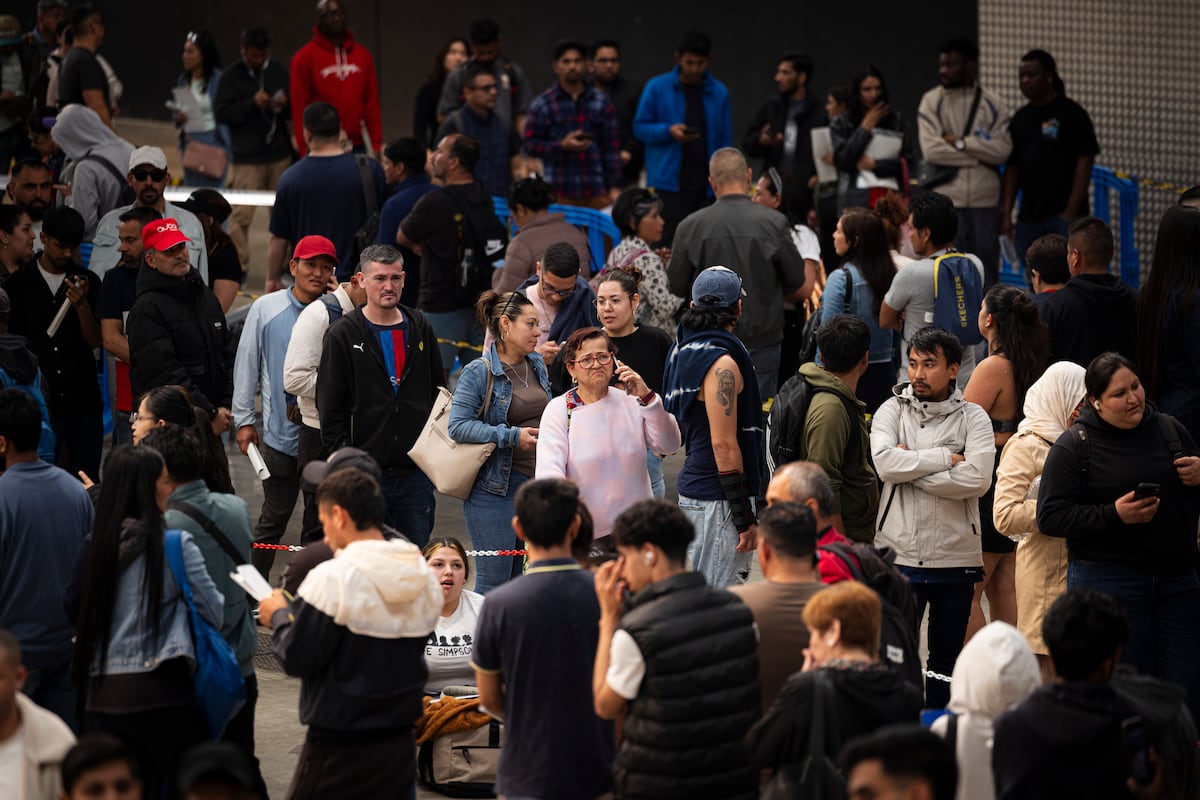 Obstacles at Spanish consulate in Havana hamper Cuban migrants’ legalization efforts
english.elpais.com
Obstacles at Spanish consulate in Havana hamper Cuban migrants’ legalization efforts
english.elpais.com
Cuban migrants in Spain are running into a bottleneck that starts with a piece of paper: a criminal-record certificate issued in Cuba and legalized at the Spanish consulate in Havana. El País reports that applicants for Spain’s 2026 mass legalization program need the document to secure residence and work permits, but routine power outages and a consular backlog are stretching waits into months. Some migrants and community figures describe an underground market in appointments, with slots resold for hundreds of euros.
The paperwork requirement ties two administrative systems together at their weakest points. Cuba’s state offices operate under frequent blackouts that interrupt basic services, while the Spanish consulate in Havana is still clearing a backlog from a previous nationality process for descendants of Spaniards, according to El País. Applicants must first request records from Cuban ministries, then have the documents legalized because Cuba is not a signatory to the Hague Convention—making the consulate a mandatory choke point rather than a convenience.
As delays grow, intermediaries appear. El País cites Father Bladimir Navarro of Proyecto Cobijo describing long lines and unofficial businesses charging for appointments, and migrants in Spain saying they suspect corruption in the chain of requests and stamps. A Barcelona law office handling hundreds of applications has a caseworker in Cuba to manage the process, a workaround that effectively turns a public prerequisite into a service market.
Spain has tried to prevent the bottleneck from stopping applications entirely. The Spanish Ministry of Migrations allows migrants to file with proof they have requested the Cuban certificate, and applicants can authorize Spain’s Foreign Affairs Ministry to seek the records via diplomatic channels, El País reports. But the procedure comes with deadlines: a three-month window for the diplomatic route, then a short period for the applicant to produce the document themselves. People who wait to submit until the certificate arrives risk missing the window; people who submit early risk timing out if Havana cannot process the legalization in time.
The consular jam is also a measure of Cuba’s deeper collapse. When electricity cuts close offices, the state’s paperwork becomes a rationed good, and the right to move legally depends on who can pay for speed. The result is a migration system where rules are written in Madrid but enforced by a queue in Havana.
El País describes appointment resales at €200 to €500. For many applicants, the price is not the fee—it is the calendar.