
Russian overnight strike hits Kyiv apartment towers
Ukraine reports deaths and injuries across multiple cities, air defences blunt attack but rubble still traps residents
Images
 An apartment building in Dnipro was also hit in seperate Russian strikes days ago
bbc.com
An apartment building in Dnipro was also hit in seperate Russian strikes days ago
bbc.com
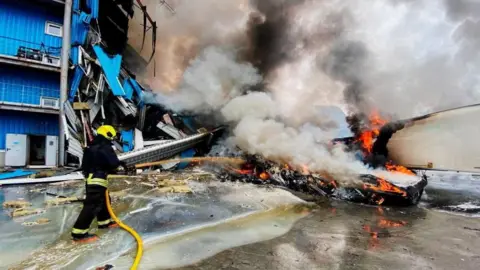 An apartment building in Dnipro was also hit in seperate Russian strikes days ago
bbc.com
An apartment building in Dnipro was also hit in seperate Russian strikes days ago
bbc.com
At least four people are killed in an overnight Russian missile and drone attack on Ukraine, with Kyiv reporting hits on high-rise apartment buildings and residents sheltering as explosions and smoke spread across the capital, according to the BBC. Officials in Dnipro and Kharkiv also report deaths and injuries, while regional authorities say fires and blackouts followed strikes in Kyiv.
The attack lands after days of public warnings from President Volodymyr Zelenskyy that intelligence pointed to a major incoming strike, a pattern that has become familiar as Russia pairs messaging with massed salvos. The BBC reports that Kyiv’s mayor urged residents to stay in shelters as air defences worked, while the head of the city’s military administration said the city was being hit by ballistic missiles. Two high-rise buildings were struck, with fears that people were trapped under rubble, a reminder that even when air defence intercepts some targets, the debris and the misses still translate into collapsed stairwells and blocked exits.
Outside the capital, the reported fatalities in Dnipro and injuries in Kharkiv show the breadth of the strike package rather than a single-city raid. The BBC also cites an attack on an industrial facility in Zaporizhzhia, consistent with Russia’s mix of pressure on civilian life and damage to infrastructure that keeps factories, railways, and municipal services running. Moscow has said it would target military and “decision-making” centres in Kyiv and urged foreigners to leave the city, while also framing “systematic strikes” as retaliation for Ukrainian attacks on Russian-held areas, including a strike Russia says killed people in Luhansk region.
The operational logic is blunt: large, multi-vector attacks force Ukraine to expend interceptors, keep cities in rolling disruption, and push the costs of war onto households that cannot relocate. For Kyiv, the political task is the opposite—keep normal life functioning enough to sustain mobilisation and external support—yet each night of sirens and sheltering turns that into an endurance test measured in sleep, repairs, and hospital capacity.
By morning, Ukrainian officials were still assessing the full damage in Kyiv, while rescue crews worked around struck apartment blocks where residents had spent the night in basements and corridors.