
French navy diverts Russia-linked tanker Tagor
Macron says ship flew false Cameroonian flag in Atlantic, UK provides tracking while Moscow calls it piracy
Images
 French navy personnel approaching the oil tanker. Photograph: Marine Nationale/Reuters
theguardian.com
French navy personnel approaching the oil tanker. Photograph: Marine Nationale/Reuters
theguardian.com
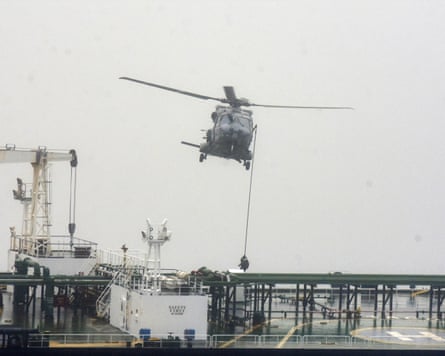 French commandos board the Tagor, in the latest seizure targeting Russia’s ‘shadow fleet’. Photograph: Hons/French Army/AP
theguardian.com
French commandos board the Tagor, in the latest seizure targeting Russia’s ‘shadow fleet’. Photograph: Hons/French Army/AP
theguardian.com
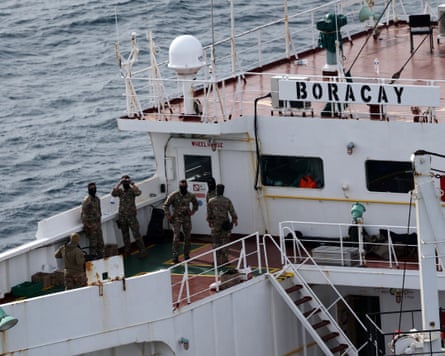 French soldiers on the Boracay in October. The tanker was suspected of belonging to the ‘shadow fleet’ involved in the Russian oil trade. Photograph: Stéphane Mahé/Reuters
theguardian.com
French soldiers on the Boracay in October. The tanker was suspected of belonging to the ‘shadow fleet’ involved in the Russian oil trade. Photograph: Stéphane Mahé/Reuters
theguardian.com
 standard.co.uk
French navy diverts Russia-linked tanker Tagor after boarding at sea, Macron says ship flew false Cameroonian flag west of Brittany, UK helicopter from HMS Somerset provided tracking support
French commandos boarded an oil tanker linked to Russia more than 400 nautical miles west of Brittany and diverted it for further checks after authorities said it was sailing under a false flag. According to The Guardian, the vessel—named Tagor—was detained on Sunday morning in international waters as part of an operation France says complied with the law of the sea. A UK Ministry of Defence spokesperson told the Standard that a helicopter from HMS Somerset provided tracking and monitoring support.
The case illustrates how sanctions enforcement is moving from paperwork to physical interdiction. Western governments have spent years designating ships and companies, while the trade adapted by changing names, flags and registrations faster than regulators can update lists. French officials said Tagor was suspected of “flag-hopping” and was almost empty when boarded, a detail that points to a fleet optimised not for efficient transport but for remaining hard to pin down. Macron framed the operation as a response to vessels “circumventing international sanctions” and violating maritime rules; the French maritime prefecture described it more narrowly as a nationality check triggered by suspected false registration.
Britain’s role, as described by UK officials, was support rather than seizure—useful politically because it signals participation without forcing London to test its own thresholds for boarding and diversion. Downing Street has said the UK has “challenged” hundreds of suspected shadow-fleet vessels since late 2024, yet the Independent notes that none have been seized by the British navy so far. The gap between monitoring and interdiction matters because the shadow fleet’s business model depends on continuing to move cargo while pushing legal and environmental risk onto whoever has to respond to an accident, spill or insurance dispute.
Moscow is treating the boarding as escalation. Kremlin spokesperson Dmitry Peskov called the action illegal and “bordering on piracy”, while Russia’s embassy in Paris requested information about any Russian citizens on board; French authorities said preliminary information indicated the captain was Russian. France has boarded other suspected shadow-fleet ships since September and allowed them to sail after owners met conditions, suggesting that many encounters end not with confiscation but with negotiated compliance.
The French navy escorted Tagor toward an anchorage point for additional checks. The video Macron posted showed commandos descending from a helicopter onto a ship that French authorities said was almost empty.