
US and Iran trade weekend strikes near Strait of Hormuz
Centcom cites drone shootdown and targets radar sites, draft 60-day pause still waits for signatures
Images
 The Strait of Hormuz remains blocked as attacks continue despite ceasefire negotiations
bbc.com
The Strait of Hormuz remains blocked as attacks continue despite ceasefire negotiations
bbc.com
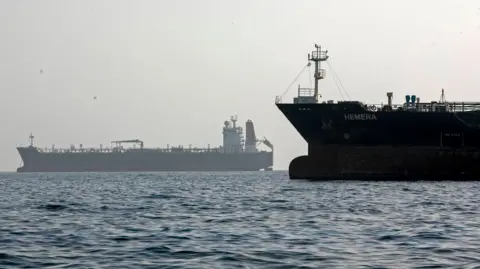 The Strait of Hormuz remains blocked as attacks continue despite ceasefire negotiations
bbc.com
The Strait of Hormuz remains blocked as attacks continue despite ceasefire negotiations
bbc.com
US and Iranian forces traded new strikes over the weekend near the Strait of Hormuz, even as negotiators circulated another draft for a 60-day pause in violence. According to the BBC, US Central Command said it hit Iranian radar and drone command-and-control sites in Goruk and on Qeshm Island after an Iranian shootdown of a US MQ-1 drone operating over international waters. Iran’s Revolutionary Guard said it retaliated by striking a communications tower at an airbase on Sirri Island used by US forces.
The exchange underlines how the Gulf’s most valuable chokepoint has become the battlefield and the bargaining chip at the same time. The BBC notes that roughly one-fifth of global oil and liquefied natural gas shipments typically pass through the channel, and that the de facto disruption to shipping has pushed up fuel prices. In that setting, each side can claim it is acting defensively while still shaping the risk calculations of insurers, shipowners, and energy importers.
Diplomacy, such as it is, is running on a separate track. The BBC reports that US media have described President Donald Trump requesting changes to the latest terms of a proposal that would include reopening the strait and setting up a framework for nuclear talks, but that no breakthrough has been announced. Washington’s public rationale for the weekend strikes was immediate force protection and the removal of systems that posed a “clear threat” to shipping; Tehran’s public rationale was deterrence, with the IRGC warning its response would be “completely different” if US attacks were repeated.
The operational details point to a conflict calibrated for signaling rather than decisive outcomes. US officials said no American service members were injured, while Iran’s statement focused on a communications tower rather than, for example, runways or fuel depots. Kuwait’s military, meanwhile, said it confronted hostile missile and drone attacks using air defenses without specifying where interceptions occurred, a reminder that Gulf states hosting foreign forces can absorb consequences without controlling the decisions that trigger them.
A ceasefire is already nominally in place—one that the BBC dates to early April—yet both sides continue to test red lines in the same waters that any deal would have to stabilize. The weekend’s strikes landed alongside another round of edits to a proposed text.
The shipping channel remains open enough for threats to matter, and contested enough for both militaries to keep firing at the equipment that makes those threats credible.