
Cocaine traffickers revive Mexico Guatemala Pacific sea route
El País tracks at least eight detected vessels and multi-ton seizures in 2026, navies publish results while key operational details stay opaque
Images
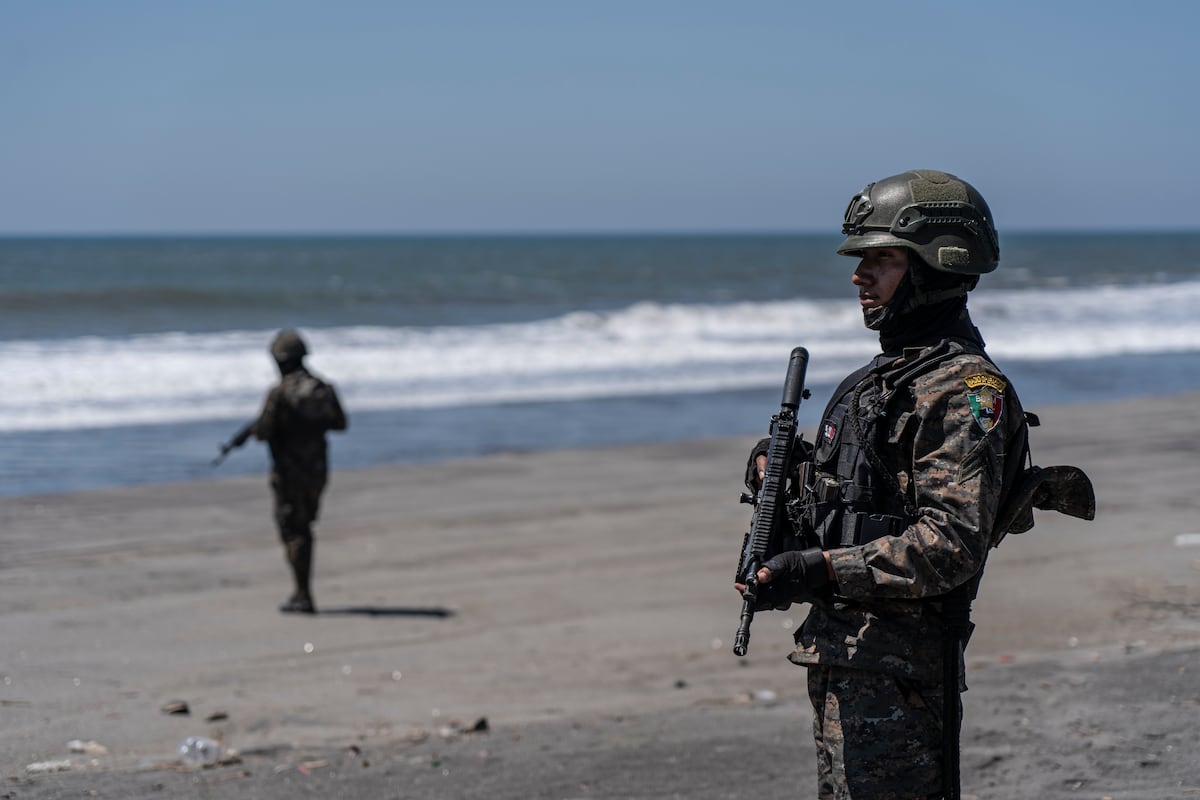 Organized crime weaves a new maritime trafficking network between Mexico and Guatemala
english.elpais.com
Organized crime weaves a new maritime trafficking network between Mexico and Guatemala
english.elpais.com
Mexico and Guatemala have revived a Pacific “maritime bridge” for cocaine trafficking in 2026, with authorities detecting at least eight vessels moving between Guatemala’s coast and Mexico’s Chiapas state, according to El País. The renewed sea route has produced a steady run of interceptions, arrests and multi-ton seizures, even as both governments keep quiet about how much outside help is involved.
El País reports that Mexico’s two dominant criminal groups — the Sinaloa Cartel and the Jalisco New Generation Cartel (CJNG) — have long used maritime corridors, but the pattern this year points to adaptation under pressure. The Mexican Navy has described repeated operations in waters under Chiapas’s jurisdiction, yet has offered few details about the broader campaign, even while announcing headline seizures. Guatemala, for its part, has been able to catch large container shipments — including what its Interior Ministry called a “historic” seizure of cocaine hidden in flour containers at Puerto Quetzal — but has struggled to detect smaller craft, an asymmetry the reporting frames as Mexico spotting boats Guatemala misses.
The sea route is attractive for traffickers for the same reason it is hard to police: it replaces predictable land chokepoints with moving targets, and it turns fuel, speed and weather into operational advantages. El País describes speedboats carrying not only cocaine but also large quantities of gasoline, indicating longer-range runs designed to avoid coastal patrol patterns. The more enforcement concentrates on roads and border crossings, the more value shifts to crews that can navigate open water, procure fuel caches and coordinate transfers without relying on fixed infrastructure that can be raided.
The reporting also ties the uptick in interdictions to U.S. pressure on Mexico and Central American governments. That pressure surfaced publicly in January when Colombia’s President Gustavo Petro accused U.S. troops of attacking and sinking an alleged narco speedboat near Mexico’s southern Pacific coast, saying three people died and survivors jumped into the sea. After Petro’s post on X, El País notes, maritime authorities offered little public clarification even as seizures continued — a gap that leaves national governments collecting the political credit for arrests while the operational details remain obscured.
One of the clearest pictures comes from individual operations. Mexico’s navy intercepted a speedboat northwest of Puerto Chiapas in late April with foreign nationals on board and hundreds of kilos of cocaine, El País reports. In May, Guatemalan naval forces detected a vessel far offshore from the port of San José, captured crew members including Ecuadorians and a Mexican, and seized cocaine carried in sacks. A day later, Mexico announced another helicopter-backed operation off Puerto Chiapas, detaining men and seizing more cocaine in bundled packages.
Mexico’s navy said the May seizure was its sixth in Pacific waters within Chiapas’s jurisdiction this year. El País’s count of detected vessels suggests the corridor is busy enough to sustain repeated losses — and still keep running.