
US and Iran outline Hormuz reopening framework
Blockade relief traded for shipping guarantees and later nuclear talks, leverage shifts from missiles to maritime compliance
Images
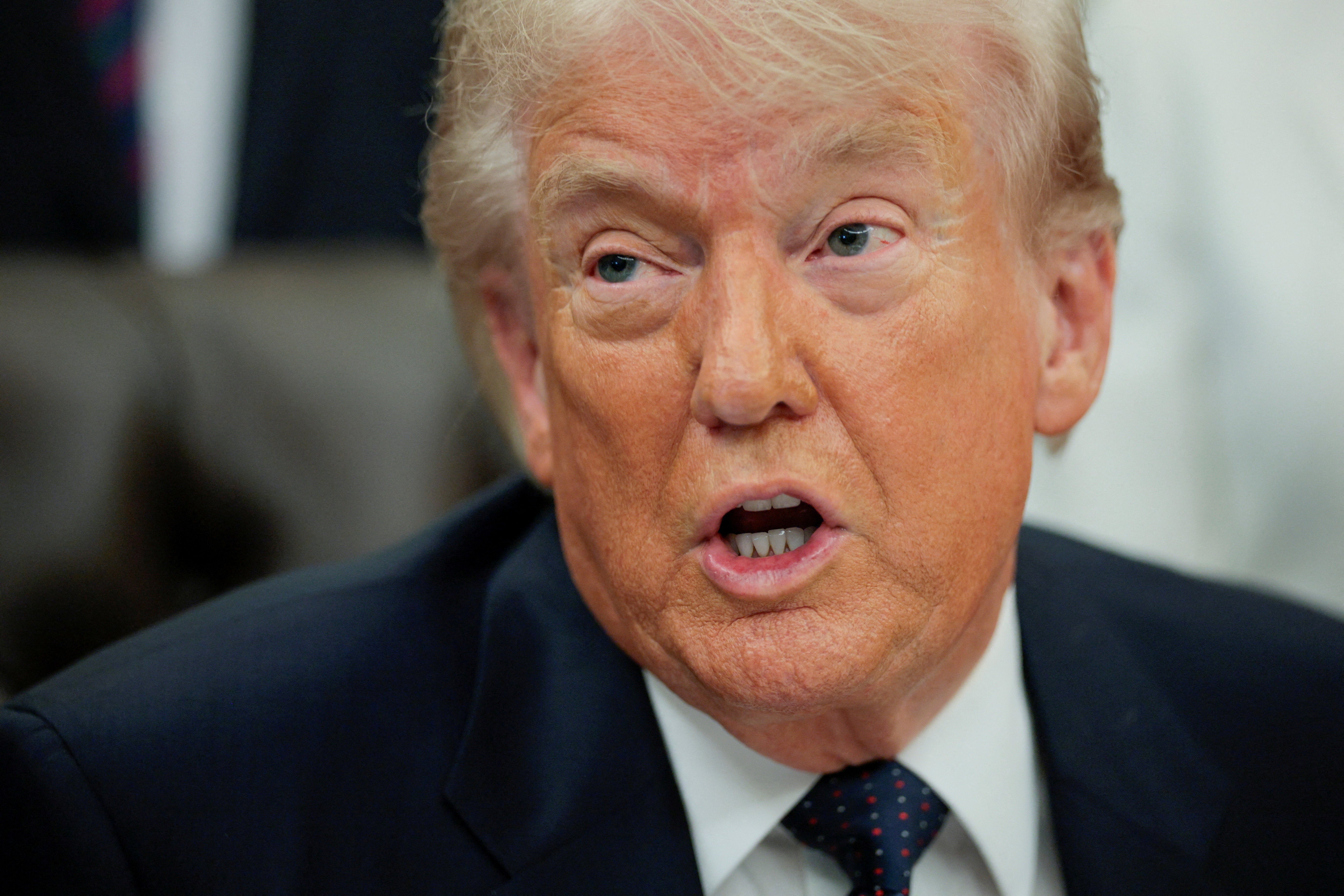 Trump has threatened further strikes on Iran if a peace deal is not reached (file) (Reuters)
Reuters
Trump has threatened further strikes on Iran if a peace deal is not reached (file) (Reuters)
Reuters
 An Iranian flag flutters in the Strait of Hormuz (Getty)
Getty
An Iranian flag flutters in the Strait of Hormuz (Getty)
Getty
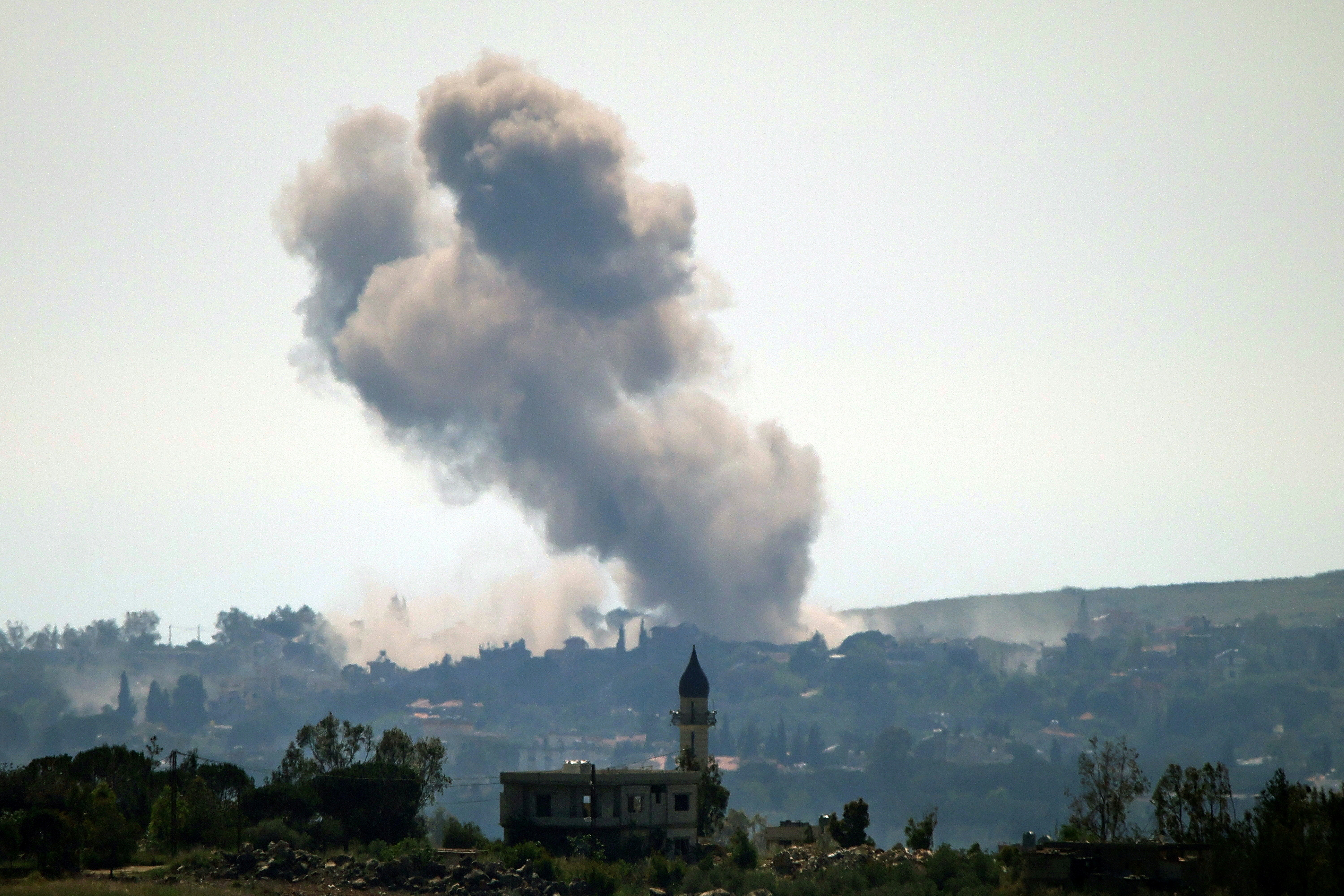 Smoke rises from the site of an Israeli airstrike in southern Lebanon (AFP/Getty)
AFP/Getty
Smoke rises from the site of an Israeli airstrike in southern Lebanon (AFP/Getty)
AFP/Getty
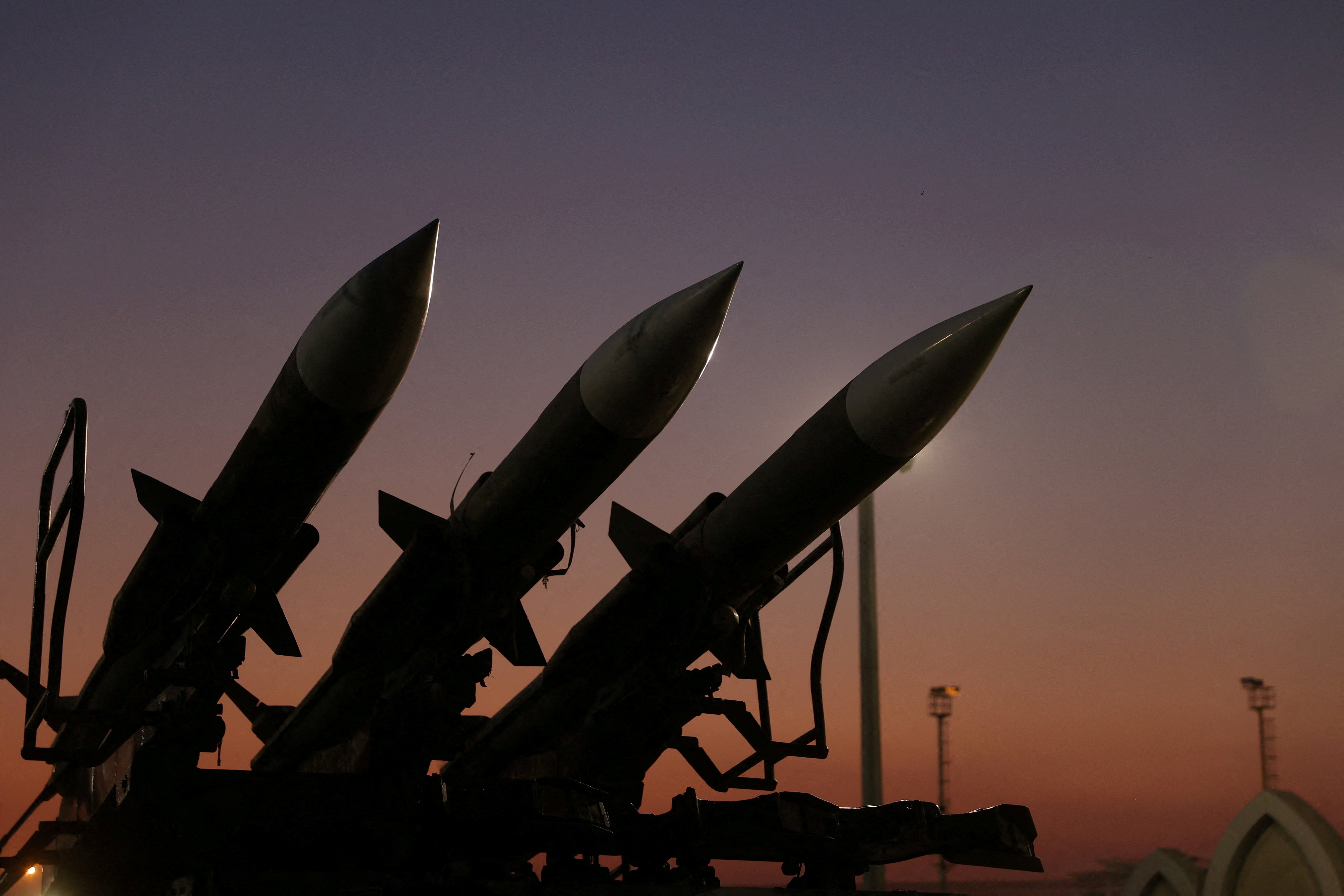 Iran has said that it will not dismantle its ballistic missile programme (Reuters)
Reuters
Iran has said that it will not dismantle its ballistic missile programme (Reuters)
Reuters
US and Iranian negotiators are sketching a framework to reopen the Strait of Hormuz, with Washington offering to lift its naval blockade of Iranian ports in exchange for guarantees of safe passage, according to The Independent. US Secretary of State Marco Rubio said talks on a comprehensive deal could “take a few days”, while Iranian officials described progress toward a 14-point memorandum intended to lock in a ceasefire and buy time for a longer negotiation.
The proposal reflects how the war’s leverage has shifted from missiles to maritime paperwork. Tehran treats its ability to disrupt Hormuz as the pressure point; Washington treats the blockade as its counterweight. Iranian diplomat Hossein Nooshabadi told ISNA that Iran’s draft for an initial agreement includes ending the war “on all fronts including Lebanon”, unfreezing assets, lifting the blockade, opening Hormuz, withdrawing US forces from Iran’s vicinity, and allowing Iran to sell oil—while containing no commitments on Iran’s nuclear program. A US administration official, speaking anonymously, told The Independent that Iran had agreed “in principle” both to open Hormuz and to dispose of highly enriched uranium, but Iranian sources portrayed the first phase more narrowly: a deal focused on ending the war, a short window for shipping movement, and limited financial relief.
That gap matters because the hard parts are designed to be postponed. The reporting describes a two-step structure: an initial memorandum to halt hostilities and restart some shipping, followed by a 60-day period to negotiate more complex issues such as enriched uranium stockpiles, the mechanics of transit, and sequencing of sanctions relief and security measures. Iran’s foreign ministry spokesman Esmaeil Baghaei said many points had reached conclusions but cautioned that this did not mean a swift end. Internally, any memorandum would need approval by Iran’s Supreme National Security Council before being sent to the supreme leader, a pipeline that can slow deals and concentrate veto power.
The nuclear file sits at the centre of that second phase. The Independent notes that the last nuclear agreement—struck in 2015 and abandoned by Donald Trump in 2018—took years and large technical teams to assemble. A future arrangement could include a moratorium on enrichment and the export or dilution of existing stockpiles, but the article also suggests Iran may seek to trade time-limited shipping guarantees for immediate economic relief while leaving the most politically sensitive nuclear commitments for later.
For now, the bargaining chips are visible at sea: Iran’s control over a chokepoint and the US ability to impede Iranian trade. The memorandum being discussed is less a peace treaty than a timetable for deciding which side has to give up leverage first.