
UN blacklists Israel over conflict-related sexual violence
Report cites verified abuse of Palestinians and says investigators were blocked from detention access, Israel cuts ties with António Guterres
Images
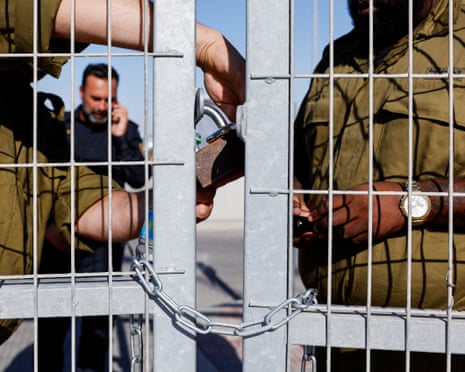 Israeli soldiers lock a gate at Sde Teiman detention facility. A rare attempt to prosecute the alleged perpetrators of the 2024 rape of a Palestinian man there failed. Photograph: Amir Cohen/Reuters
theguardian.com
Israeli soldiers lock a gate at Sde Teiman detention facility. A rare attempt to prosecute the alleged perpetrators of the 2024 rape of a Palestinian man there failed. Photograph: Amir Cohen/Reuters
theguardian.com
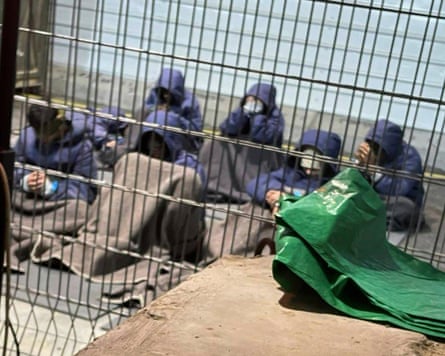 This 2024 photo provided by a whistleblower group of former Israeli soldiers shows prisoners with their hands and legs restrained in the yard at the Sde Teiman military prison. Photograph: AP
theguardian.com
This 2024 photo provided by a whistleblower group of former Israeli soldiers shows prisoners with their hands and legs restrained in the yard at the Sde Teiman military prison. Photograph: AP
theguardian.com
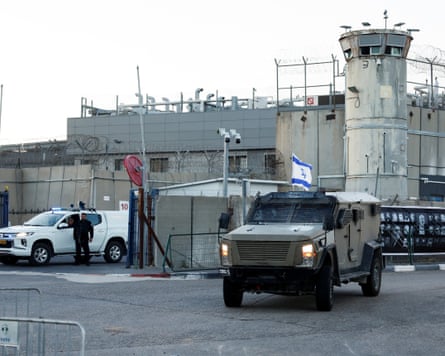 The Israeli military prison Ofer, where many prisoners from Gaza are held. Photograph: Ammar Awad/Reuters
theguardian.com
The Israeli military prison Ofer, where many prisoners from Gaza are held. Photograph: Ammar Awad/Reuters
theguardian.com
The United Nations has added Israel and Russia to its blacklist for sexual violence in conflict, citing abuse by their security forces including rape of detainees, according to the Guardian. The report verified sexual abuse of 31 Palestinians—men, women and children—from Gaza and the occupied West Bank between 2023 and 2025, and verified 310 cases attributed to Russian forces against Ukrainians. Israel and Russia deny the allegations.
The UN’s documentation is presented as partial by design. The Guardian reports that investigators faced restrictions: Israel barred UN experts from detention centres, blocked travel to Gaza, and threatened detainees if they reported abuse after release; Russia barred monitors from accessing prisoners of war and civilians in detention. The result is a list assembled from survivors interviewed after release and from incidents that could be corroborated without routine access to the places where abuse is alleged to have occurred.
Israel’s inclusion carries an immediate diplomatic cost. Israel’s ambassador to the UN Danny Danon said Israel cut ties with UN secretary-general António Guterres in response to the blacklisting, and said Israel had submitted evidence and detailed responses to every claim without making that material public, the Guardian reports. The same report notes that Israel has not allowed the International Committee of the Red Cross to visit detainees since October 2023, leaving the UN to treat access itself as part of the evidentiary dispute.
Russia’s case is described in the report as systematic across detention sites, with most victims male and with repeated assaults common among survivors. The Guardian says the UN verified rape, gang-rape, genital mutilation and electric shocks to genitals, and that in two-thirds of cases involving Russian forces multiple forms of sexual violence were used. The report also notes that worldwide conflict-related sexual violence rose sharply from 2024 and overwhelmingly targets women and girls, while Israel and Russia diverge from that pattern by also targeting men.
Blacklists do not enforce themselves. They shape how other institutions behave: whether diplomats treat allegations as a compliance problem, whether aid agencies can negotiate access, and whether allied governments have to explain why they continue business as usual. The Guardian reports that details of the report listing 77 countries and armed groups were shared by Israeli diplomats at the UN before its release, and that the full report appeared online via the US news site PassBlue.
The allegations hinge on places outsiders cannot enter. The diplomatic retaliation, by contrast, is already on paper.