
Trump weighs Iran peace deal in Situation Room
Proposed terms hinge on reopening Strait of Hormuz and clearing mines, blockade ends faster than verification
Images
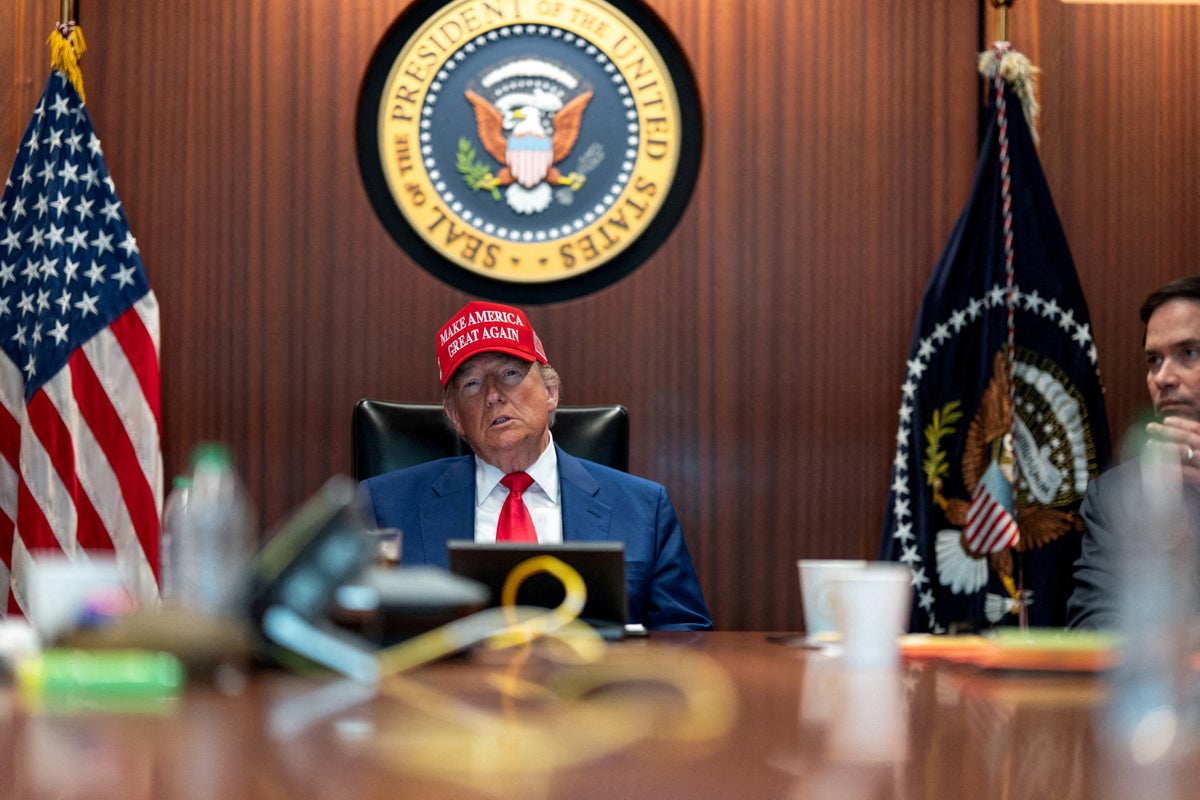 Trump in Situation Room to make final call on Iran peace deal
independent.co.uk
Trump in Situation Room to make final call on Iran peace deal
independent.co.uk
President Donald Trump convened advisers in the White House Situation Room as he weighed whether to accept a proposed agreement aimed at ending the war with Iran and reopening the Strait of Hormuz to commercial shipping, according to The Independent. Trump said on Truth Social that the US blockade of Iranian ports would end, while the draft arrangement would require Iran to remove and/or detonate mines in the strait. The Independent reports that hundreds of ships have been stuck on the wrong side of Hormuz amid the blockade and mining.
The immediate stakes are logistical and financial: Hormuz is a choke point for Gulf exports, and even the prospect of freer passage can move markets before any ship actually sails. But the reporting also underlines how little is publicly fixed in place. The Independent describes the agreement as opaque, with few concrete terms revealed beyond the shipping corridor and mine-clearance demands. That vagueness is itself part of the bargaining terrain: the White House can signal “a deal” to calm markets and allies while leaving room to adjust enforcement, verification, and sequencing once the headlines have done their work.
The proposal also highlights a recurring problem in maritime security arrangements: the party asked to “guarantee” safe passage is often the same party accused of having disrupted it. Mine removal is measurable in principle, but the credibility of any reopening depends on who inspects, who certifies, and what happens after the first incident. A blockade can be lifted with an announcement; restoring normal insurance pricing, chartering, and routing typically requires a longer stretch of uneventful traffic. Meanwhile, ships and crews become the collateral asset in a negotiation—immobile inventory that builds pressure on governments to declare success.
Trump’s public messaging leaned heavily on performative reassurance. Addressing trapped crews, he wrote: “Say HELLO to your wives, husbands, parents, and families from me, your favorite President,” The Independent reports. The more concrete question—when mines are cleared and which authority will attest to it—remains the operational hinge.
The Independent’s account leaves the deal’s enforcement mechanics largely undescribed. For the ships waiting at Hormuz, the difference between a signed agreement and a cleared channel will be measured in whether they are told to move.