
Colombia votes with falling poverty and stretched public finances
Social indicators improve under Gustavo Petro while conflict regions remain contested, next president inherits consumption-led growth and one of Latin America’s worst deficits
Images
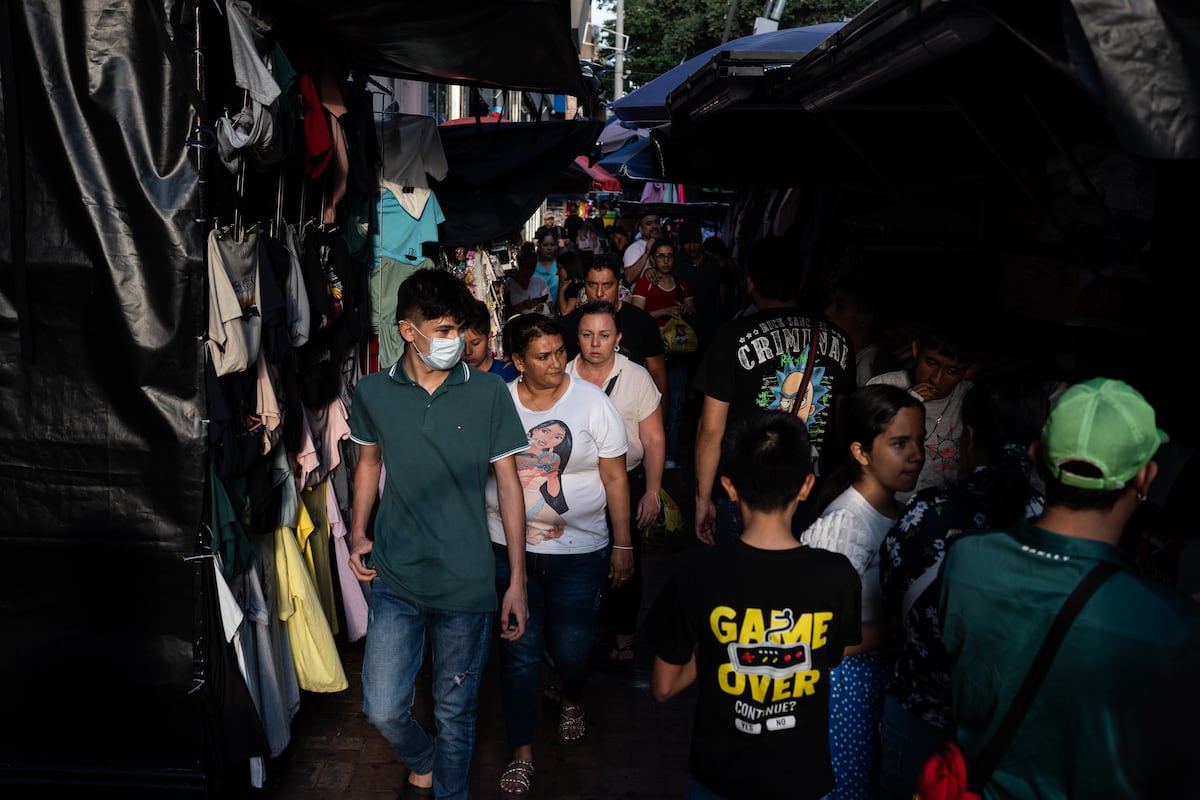 Colombia goes to the polls with the best social indicators this century and a deficit only exceeded during the pandemic
english.elpais.com
Colombia goes to the polls with the best social indicators this century and a deficit only exceeded during the pandemic
english.elpais.com
Colombians vote in a presidential election with the lowest unemployment rate of the century and a security map that still breaks down outside the main cities. According to El País, joblessness fell to 8.9% in 2025 and multidimensional poverty dropped to 9.9%, even as rival armed groups and weak state presence continue to define parts of the countryside.
The campaign closes over an economy that has improved on paper but is being financed in ways that narrow the next government’s room to manoeuvre. El País reports that more than 600,000 net jobs were created in 2025 and that tourism rose from 4.7 million nonresident visitors in 2022 to 6.5 million in 2025, with tourism revenues climbing to $11.166 billion—enough to surpass coal for the first time. Coffee and cocoa prices have been unusually strong, lifting incomes for hundreds of thousands of rural households, while the current administration has deliberately distanced itself from fossil fuels as coal and hydrocarbons decline.
Yet the same figures point to a state-led consumption boom that is expensive to sustain. Colombia’s GDP grew 2.6% in 2025, below its historical average, and El País attributes much of that growth to public spending and private consumption rather than investment that would raise future output. Remittances reached $13.098 billion in 2025—nearly 3% of GDP—adding another stream of demand that does not automatically translate into domestic capacity. The Autonomous Committee of the Fiscal Rule warned of overheating signs as domestic demand expanded faster than production, pushing up imports and feeding inflation.
That leaves the next president inheriting an electorate that has seen concrete gains while the public balance sheet deteriorates. El País cites ECLAC describing Colombia as having Latin America’s second-worst fiscal deficit, exceeded only by pandemic-era levels at home. Former planning director Jorge Iván González argues monetary poverty has not improved for a decade and says the fall in unemployment is hard to explain, a reminder that headline indicators can mask informal work and statistical quirks.
Gustavo Petro’s successor is due to take office on August 7, 2026. The country will have to pay for today’s social progress and tomorrow’s security operations with the same tax base that already underwrites a deficit the region has begun to notice.