
Trump circulates draft Iran peace agreement
Allies weigh Hormuz reopening and frozen-asset release, shipping passage still policed as a permission system
Images
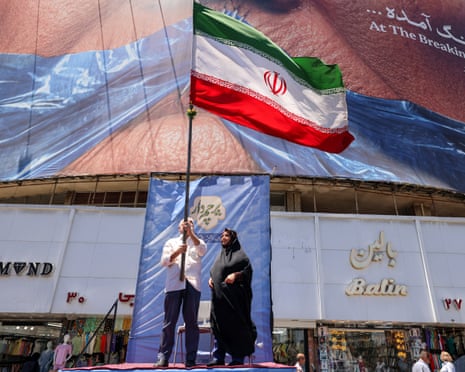 A man raises an Iranian flag in Tehran’s Valiasr Square Photograph: Atta Kenare/AFP/Getty Images
theguardian.com
A man raises an Iranian flag in Tehran’s Valiasr Square Photograph: Atta Kenare/AFP/Getty Images
theguardian.com
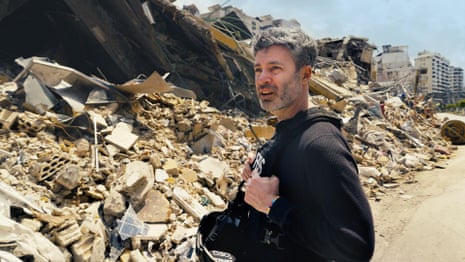 Lebanon divided: Hezbollah, Israel and the cost of resistance – video
theguardian.com
Lebanon divided: Hezbollah, Israel and the cost of resistance – video
theguardian.com
 The conflict in the Middle East has pushed up the cost of energy around the world.
bbc.com
The conflict in the Middle East has pushed up the cost of energy around the world.
bbc.com
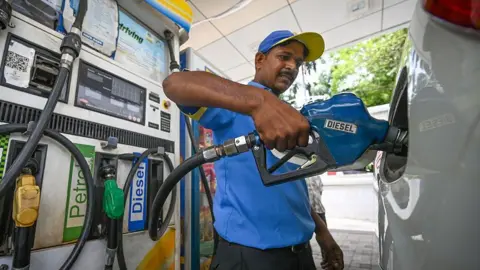 The conflict in the Middle East has pushed up the cost of energy around the world.
bbc.com
The conflict in the Middle East has pushed up the cost of energy around the world.
bbc.com
Donald Trump has circulated a draft peace agreement for the war with Iran to allies including Israel, according to The Guardian, while telling advisers he wants “a few more days” before giving final approval. The draft would reopen the Strait of Hormuz to commercial shipping and lift the US blockade of Iranian ports, with access to up to $12bn in frozen Iranian assets also on the table. Markets reacted to separate reporting of a tentative breakthrough: the BBC reports Brent crude fell sharply before stabilising after Axios said US and Iranian officials had reached an agreement subject to Trump’s sign-off.
The text being shopped around allies reads less like a finished treaty than a scaffold designed to stop the next incident at sea from collapsing a ceasefire that is already being tested. The Guardian describes Iranian insistence that ships seek permission to transit Hormuz, with the IRGC navy claiming it allowed 26 commercial ships and tankers through in the past 24 hours and intervened against vessels sailing with transponders switched off. That enforcement posture collides with the draft’s promise of toll-free navigation, even as Tehran reportedly explores a separate arrangement with Oman over “fees for navigational services” — an idea that Trump has publicly threatened to punish.
The economic stakes are being priced in real time. The BBC notes that roughly a fifth of global oil and liquefied natural gas normally passes through Hormuz, and that the war has effectively closed the waterway, pushing energy costs higher and whipping Brent crude between pre-war levels and spikes that briefly reached around $120 a barrel. Even rumours of movement in talks have been enough to move prices several dollars in a day, turning a diplomatic process into a volatility engine for consumers and import-dependent governments.
Substantively, the draft appears to defer the hardest questions. It envisages negotiations of up to 60 days on Iran’s nuclear programme, including its stockpile of highly enriched uranium, a time-limited suspension of further enrichment, and IAEA supervision, while Iran would renounce the use of nuclear weapons. The Guardian reports that Israel finds the scope unpalatable because firm nuclear commitments are postponed and the draft calls for a permanent ceasefire that includes Lebanon. China, meanwhile, is said to be pressing for any agreement to be ratified by the UN Security Council, a step that would lock in international expectations even if enforcement remains contested on the water.
The draft’s central promise — normal shipping within 30 days — depends on behaviour that neither side fully controls. The Guardian notes indirect contact continues via mediators including Pakistan and Qatar, with Pakistan’s foreign minister expected in Washington to see Marco Rubio. But the same reporting warns that if tanker operators try to pass without Iranian permission, the ceasefire could collapse.
On the day Trump asked for more time, the IRGC was still describing Hormuz as a controlled checkpoint. Oil traders were still treating a presidential decision as the difference between a reopened sea lane and another week of war-risk premiums.