
Iran condemns Trump threat against Oman
Muscat’s mediator role collides with Hormuz shipping politics, a single remark tries to redraw the map
Images
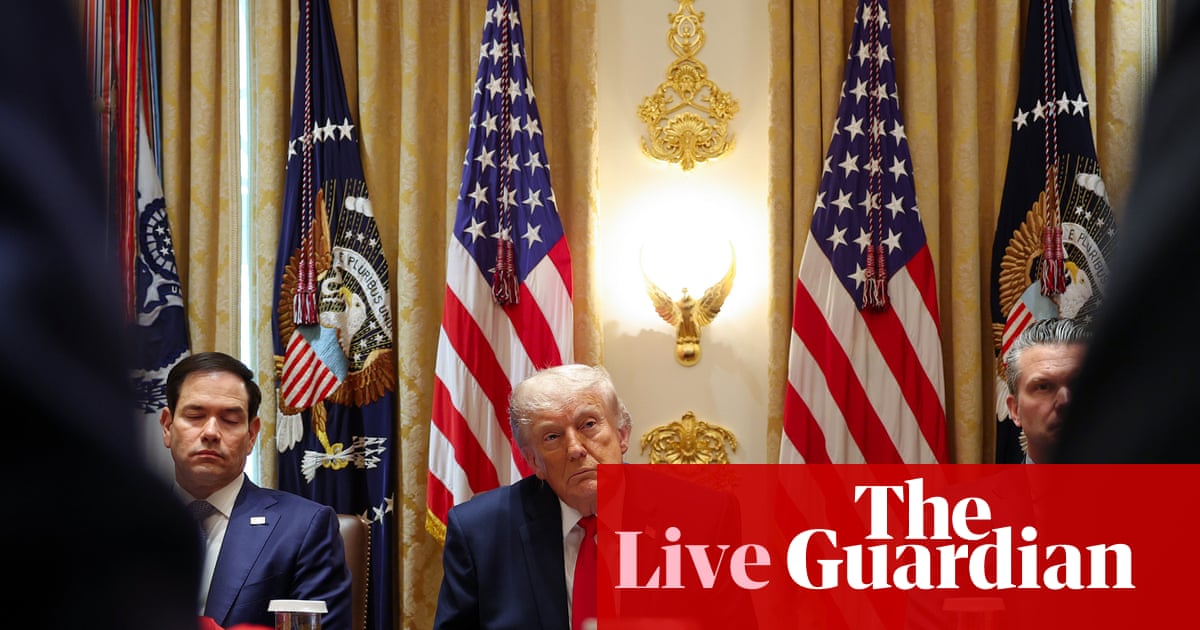 Middle East crisis live: Iran says Trump’s threats to ‘blow up’ Oman ‘dangerous and bullying’
theguardian.com
Middle East crisis live: Iran says Trump’s threats to ‘blow up’ Oman ‘dangerous and bullying’
theguardian.com
Iran’s foreign ministry on Wednesday condemned Donald Trump’s reported threat to “blow up” Oman if the Gulf state entered an agreement with Tehran to manage shipping in the Strait of Hormuz. According to the Guardian’s live Middle East coverage, spokesperson Esmail Baghaei called the remarks “dangerous” and “bullying” and said threatening to “destroy” a UN member state violated the principle against the threat or use of force.
Oman’s role is not incidental. Muscat has spent years positioning itself as a quiet intermediary in regional diplomacy, a function that depends less on formal alliances than on its reputation for keeping channels open when others close them. When a mediator is publicly warned off, the immediate effect is rhetorical; the second-order effect is practical, because fewer actors will invest political capital in hosting talks that can be undercut by a single televised outburst.
The shipping lane at issue is the Strait of Hormuz, a narrow chokepoint through which a large share of global oil trade moves, making it an arena where statements can move prices even before any vessel changes course. That creates a feedback loop for governments: the more markets react to the risk premium, the more leaders can claim that “something must be done,” and the more room there is for military planning framed as protection of commerce rather than escalation.
Baghaei’s statement also hints at a legal argument aimed at third parties rather than Washington: Oman is described as a “constructive, effective, and responsible” contributor to regional peace and security, language designed to make any pressure on Muscat look like punishment for de-escalation. Tehran’s complaint about “normalization of lawlessness” is similarly pitched to an international audience that may not want to choose sides but does care about whether threats become routine.
For European governments and Gulf states that rely on predictable shipping, the problem is that deterrence and diplomacy pull in opposite directions. A hardline posture may reassure domestic constituencies and allied hawks, but it also makes the back-channel work of managing incidents at sea harder, because intermediaries become targets and deniable arrangements become politically toxic.
The immediate trigger, as reported by the Guardian, was Trump’s comment the previous day that he would “blow up” Oman if it reached a shipping-management agreement with Iran. Oman remains a UN member state, and the Strait of Hormuz remains the route ships must take whether the rhetoric cools or not.