
Laos cave rescuers reach five trapped villagers alive
Two still missing after floods block exit, oxygen logistics and one-way bottlenecks shape the route out
Images
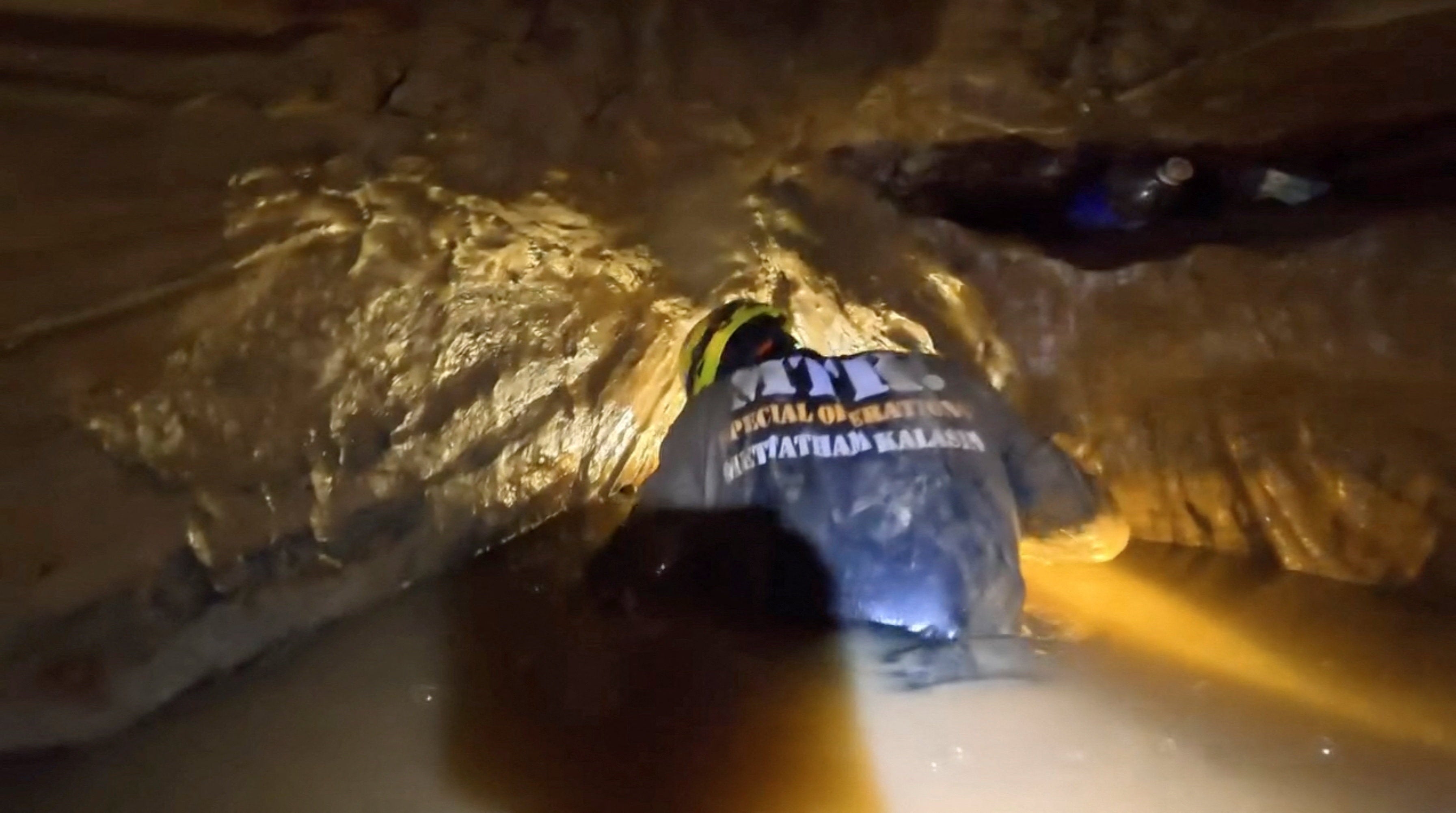 A rescue workers inside the cave in Xaisomboun, Laos (Reuters)
Reuters
A rescue workers inside the cave in Xaisomboun, Laos (Reuters)
Reuters
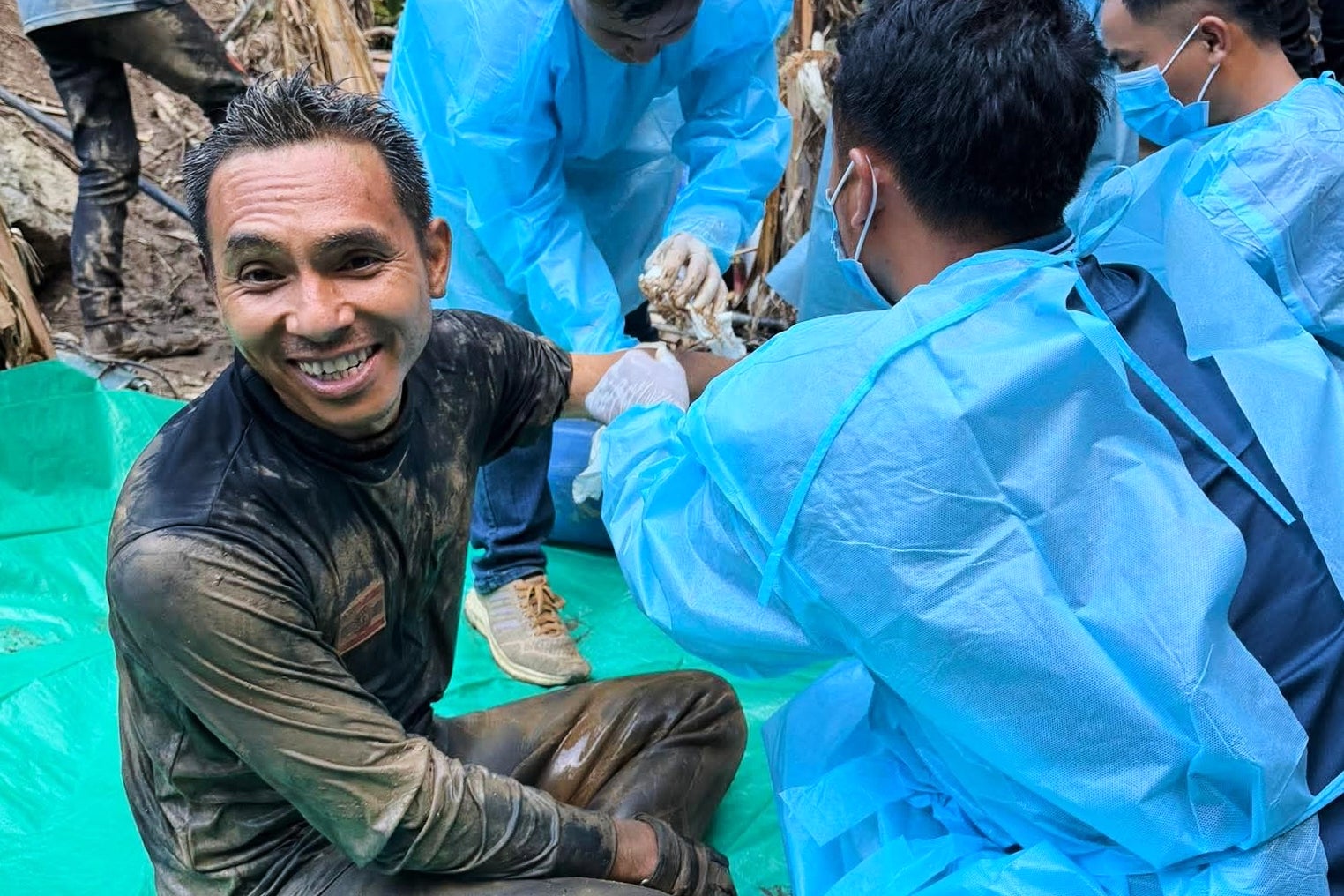 Rescue workers at the cave in Xaisomboun province, Laos, on 27 May 2026 (AP)
independent.co.uk
Rescue workers at the cave in Xaisomboun province, Laos, on 27 May 2026 (AP)
independent.co.uk
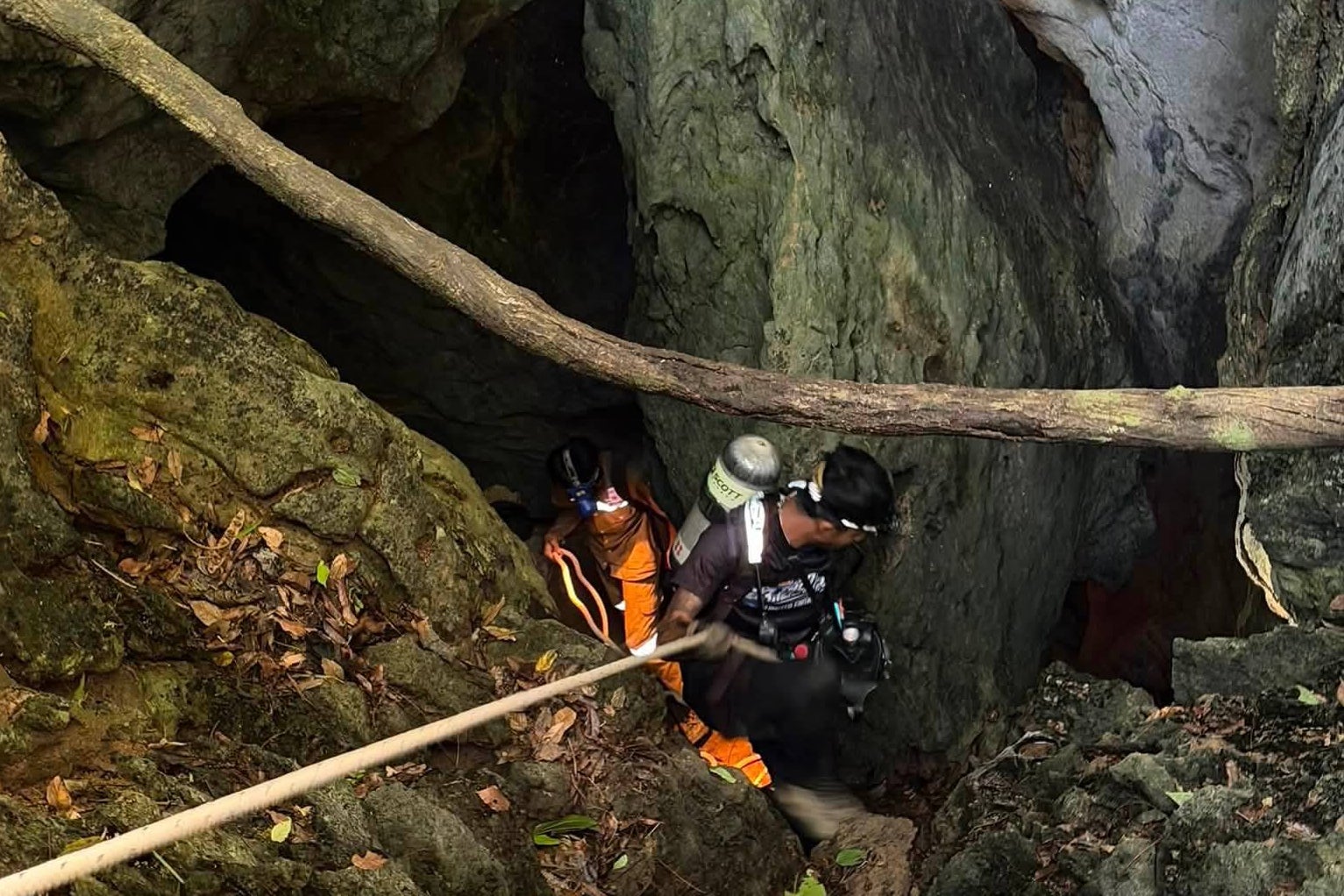 Rescuers try to reach people trapped inside a cave in Xaisomboun province of Laos (Local Library)
Local Library
Rescuers try to reach people trapped inside a cave in Xaisomboun province of Laos (Local Library)
Local Library
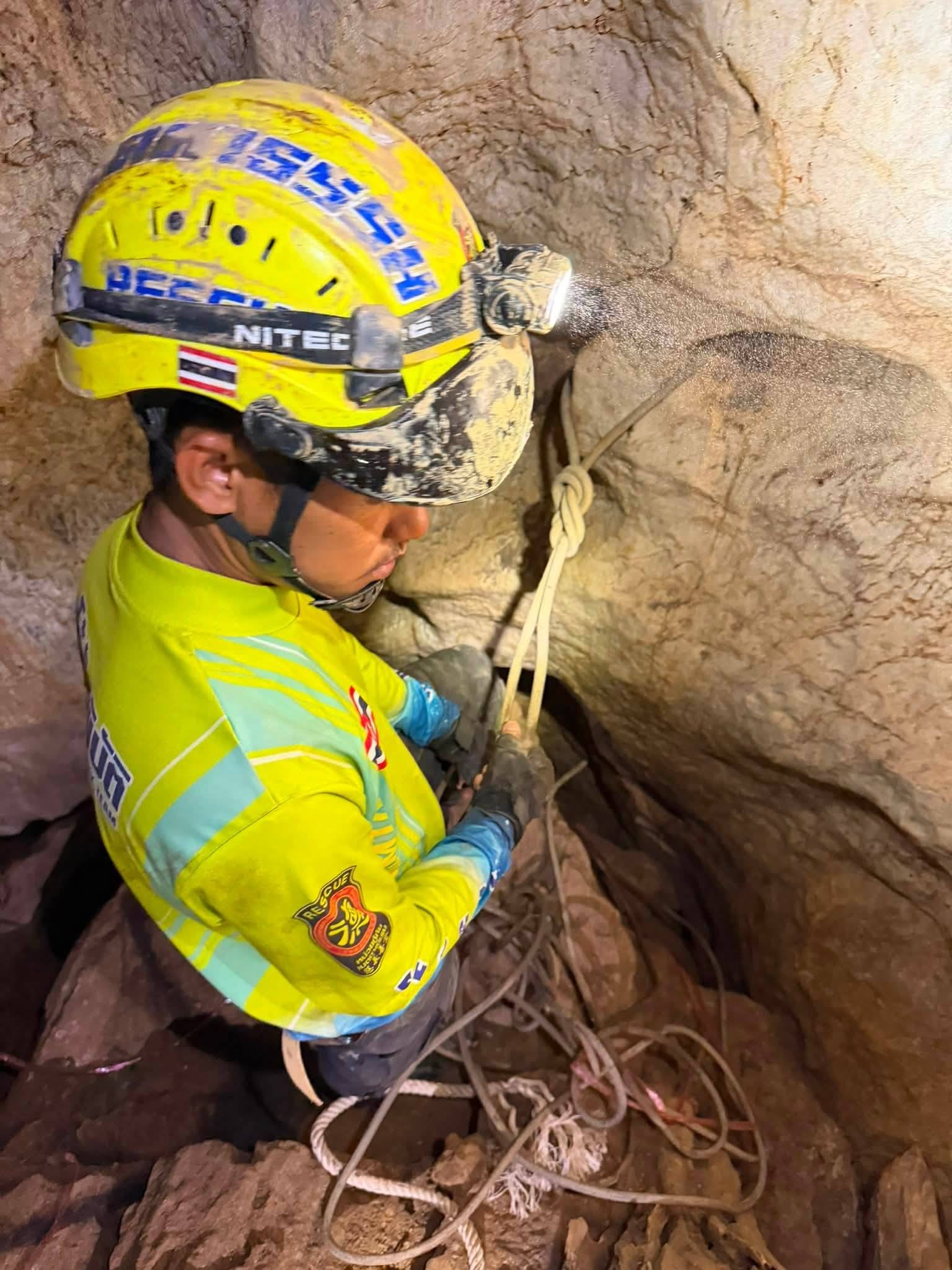 Laos cave rescue (Local Library)
Local Library
Laos cave rescue (Local Library)
Local Library
Seven villagers who entered a cave in Laos to hunt for wildlife and dig for gold have been trapped for more than a week after heavy rain triggered flash flooding and landslides that blocked their way out, according to The Independent. Rescuers in Xaysomboun province have now reached five of the men alive, but two are still missing. The operation has shifted from search to extraction, with divers and cave specialists trying to move survivors through a narrow, partially submerged passage without exhausting their air supply.
The details underline how quickly a small-scale, informal livelihood activity can turn into a multi-agency emergency. Rescuers described a long constricted route into the cave, with sections that are pitch black, partially flooded, and so tight that teams have had to tilt their bodies and sometimes remove equipment to squeeze through. A fully underwater stretch inside the cave forces single-file movement and makes it difficult to pass in opposite directions, so teams maintain constant communication to avoid meeting head-on in the bottleneck. The immediate logistical problem is oxygen: rescuers say they need to borrow as many tanks as possible and want an oxygen refilling station positioned outside the cave to keep the shuttle of divers and supplies going.
The rescue has also become a regional exercise in expertise and memory. A Thai rescue specialist who took part in the 2018 Tham Luang cave rescue is assisting, The Independent reports, bringing a playbook shaped by an earlier high-profile operation where time, flooding, and human endurance were the limiting factors. That experience is now being applied to a different set of constraints: adult men rather than children, a flooded cave rather than a partially dry system, and two people still unaccounted for somewhere beyond the point where the first five were found. Above ground, families have been urged not to lose hope, while the rescue teams’ priorities are split between getting the located men out and continuing the search.
Early images from inside the cave showed the five survivors sitting on a rocky ledge above the waterline, wearing headlamps and gesturing gratitude. The next challenge is turning that ledge into a staging point for a controlled exit through the same narrow tunnel that trapped them in the first place.