
EU ministers warn against Russia envoy trap
Cyprus meeting shifts focus from personalities to mandate, sanctions power makes unity the real negotiating asset
Images
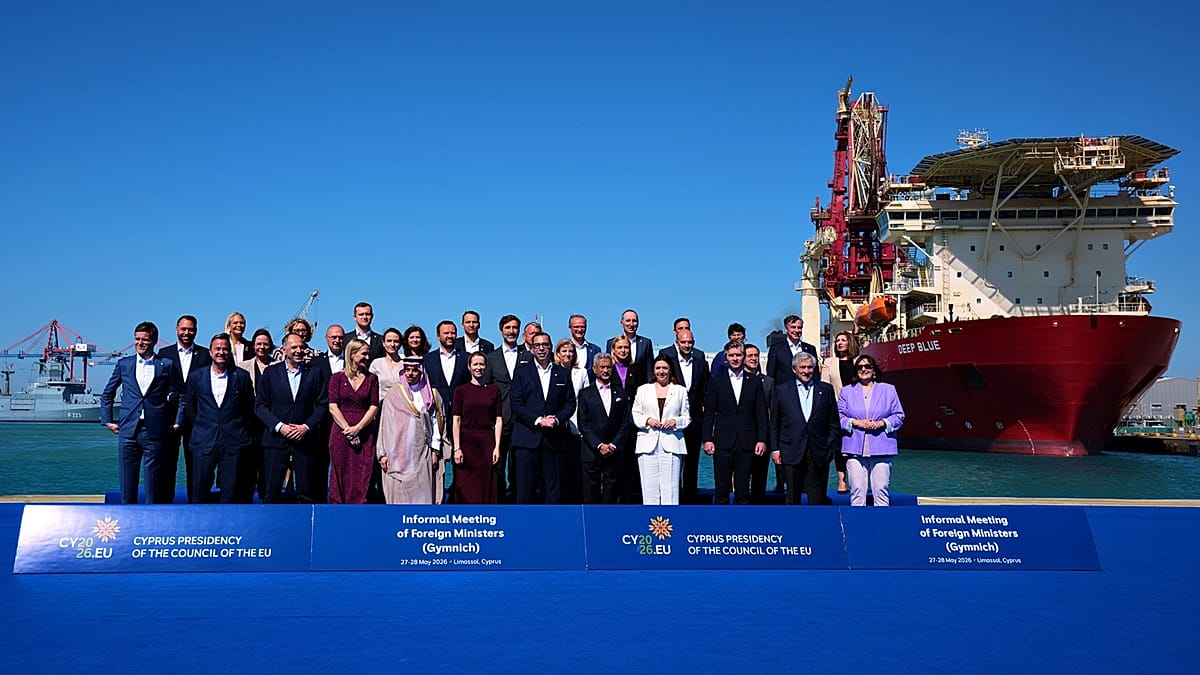 EU countries insist on unity to avoid Russia's special envoy 'trap'
euronews.com
EU countries insist on unity to avoid Russia's special envoy 'trap'
euronews.com
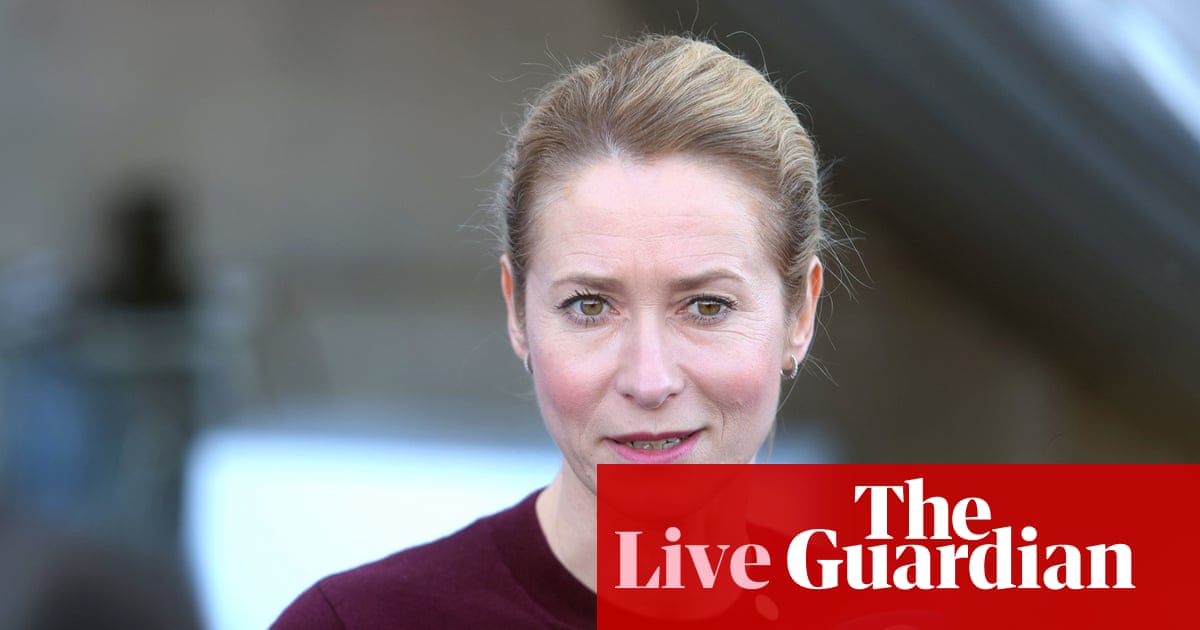 Kaja Kallas warns against walking into Russian ‘trap’ as EU ministers meet for talks – Europe live
theguardian.com
Kaja Kallas warns against walking into Russian ‘trap’ as EU ministers meet for talks – Europe live
theguardian.com
EU foreign ministers meeting in Cyprus on 28 May tried to shut down a debate that has been running since January: who, exactly, should speak to Moscow if direct talks begin. EU foreign policy chief Kaja Kallas, according to Euronews and the Guardian’s Europe live blog, called the argument over personalities a “trap” that would let Russia exploit divisions among the 27.
The immediate spark has been the Kremlin’s habit of floating names—Euronews says Kallas referred implicitly to suggestions such as former German chancellor Gerhard Schröder, now politically toxic in much of Europe because of his close ties to Vladimir Putin and work linked to Russian energy interests. Ministers in Cyprus largely converged on a procedural answer: the mandate matters more than the messenger. Sweden’s foreign minister Maria Malmer Stenergard warned against being distracted by individuals chasing historical recognition, while the Netherlands’ Tom Berendsen argued that defining the remit should come before picking the envoy.
The subtext is that any negotiation that touches sanctions, reconstruction funding, or security guarantees quickly becomes an EU competence question, not a photo-op for a single capital. Kallas told reporters the EU must be represented in any future talks because decisions such as lifting sanctions are European decisions, the Guardian reports. That creates a built-in vulnerability: Moscow can gain leverage simply by encouraging member states to freelance, turning “dialogue” into a competition for access.
The Cyprus meeting also reflected a changing external environment. Belgium’s Maxime Prévot pointed to what he described as an opening created by a US decision to pause its involvement in Ukraine-Russia negotiations, according to Euronews. Zelenskyy has publicly urged Europeans to take a more active role as Washington’s attention shifts toward the Middle East, Euronews reports. Europe, meanwhile, is trying to build a negotiating posture while still supplying arms, financing Ukraine, and maintaining sanctions—three levers that do not move in lockstep across 27 governments.
Kallas has circulated a confidential paper outlining concessions and expectations Russia would need to meet as part of a settlement, Euronews reports, and she argued for starting from a tougher list of demands to counter what she called Putin’s maximalist approach. But even as ministers stressed unity, the list of potential envoys being discussed—Finland’s president Alexander Stubb, European Council president António Costa, Mario Draghi, Angela Merkel—shows the political reality: the job is partly about credibility with Kyiv and partly about who can keep EU capitals from undercutting each other.
Italy’s foreign minister Antonio Tajani said a peace agreement without Europe would be impossible, Euronews reports. In Cyprus, ministers spent much of the day arguing over a role that does not yet exist, for talks that Kallas said were not currently moving.