
Experimental hepatitis B drug shows functional cure in trials
Bepirovirsen lets some patients stop all treatment after six months of injections, regulators weigh durability and who qualifies
Images
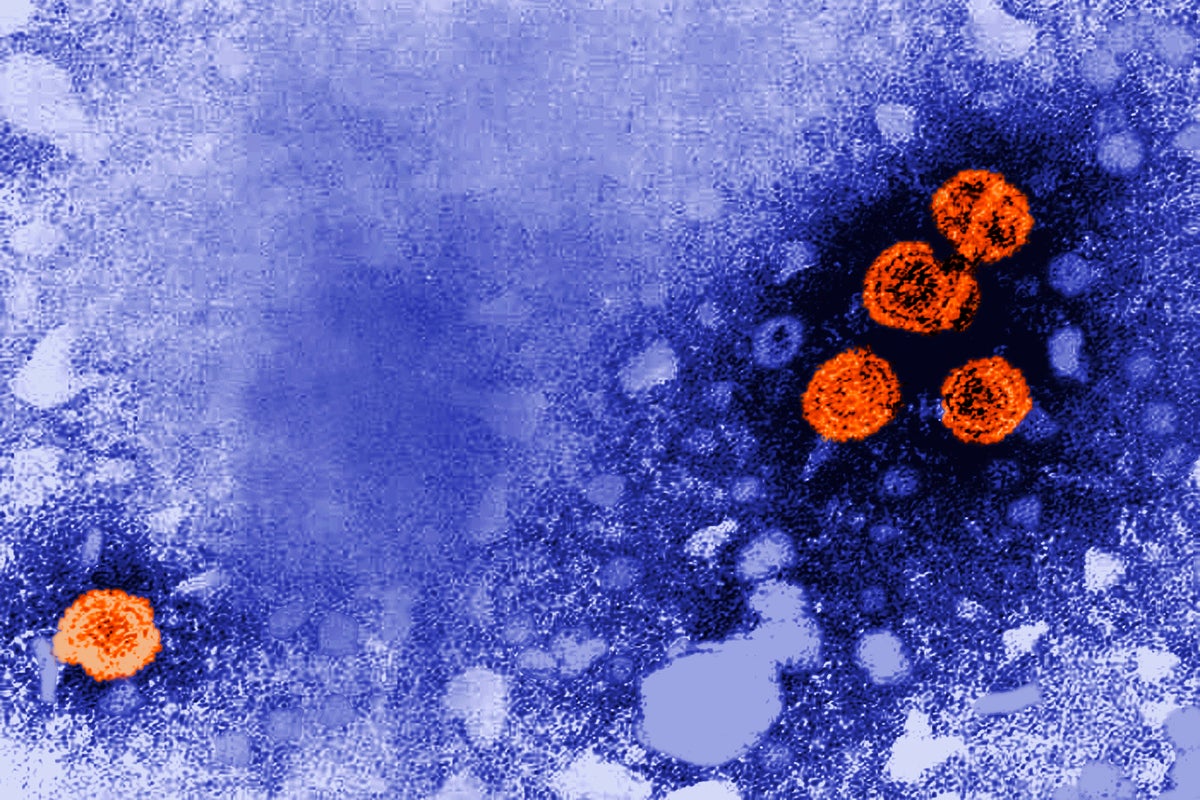 Experimental hepatitis B drug might offer 'functional cure' for a subset of patients
independent.co.uk
Experimental hepatitis B drug might offer 'functional cure' for a subset of patients
independent.co.uk
A first-of-its-kind hepatitis B drug helped about one in five patients stop all treatment while keeping the virus suppressed, according to results published in the New England Journal of Medicine and presented at a scientific meeting in Barcelona. The experimental therapy, bepirovirsen, was tested in two international studies funded by GSK, with Ionis Pharmaceuticals as developer partner, The Independent reports. Chronic hepatitis B is a major cause of liver cancer and liver failure and is estimated to kill about 1.1 million people worldwide each year.
For decades, the practical problem in hepatitis B has not been starting therapy but stopping it. Standard medicines can keep viral levels down and limit liver damage, but they do not eradicate the infection; when patients discontinue pills, the virus can rebound. Bepirovirsen targets hepatitis B genetic material and aims to reduce the surface “S” protein that helps the virus persist, while also nudging the immune system toward control. In the trials, 1,838 patients received weekly injections of the drug or placebo for six months, on top of their regular daily pills. Those who remained with undetectable virus for six months after the injection course were allowed to stop their ongoing pills as well.
The headline result is a “functional cure”: sustained viral suppression off therapy, rather than complete elimination of all viral traces. About 20% of those who received bepirovirsen met that bar six months after stopping all treatment; no one in the placebo group did. Patients who began the trial with lower levels of the S protein were somewhat more likely to respond, a detail that hints at how the drug may end up being used in practice—less as a universal replacement for lifelong therapy than as a stratified option for patients with particular baseline markers. The trials also excluded people with cirrhosis, high S protein levels, or other complicating factors, leaving open how broadly the approach will translate to the sickest patients who carry much of the clinical risk.
Side effects described in the report included mild injection-site reactions and temporary rises in liver enzymes that can signal liver stress. Outside experts urged caution on durability: Dr. Anna Lok of the University of Michigan, who was not involved in the studies, told The Independent the findings look like a major step but require more follow-up to learn how long remission lasts. GSK has tracked some participants from earlier work and says most have remained well for up to three years, but the current publication’s key benchmark is six months off therapy.
Regulators are already being asked to weigh the promise against the limits of the evidence. The drug is under fast-track review by the US Food and Drug Administration, with a decision expected in October, and agencies in Japan, China and Europe are also considering it. A highly effective vaccine can prevent hepatitis B, but the global burden is still measured in hundreds of millions living with chronic infection.
In the trials, the difference between “lifelong pills” and “no pills at all” ultimately came down to whether the virus stayed undetectable for six months after the injections ended.