
Iran says it struck a US airbase in retaliation
US reports defensive strikes near Bandar Abbas and drone interceptions, Gulf states left to manage spillover without clear attribution
Images
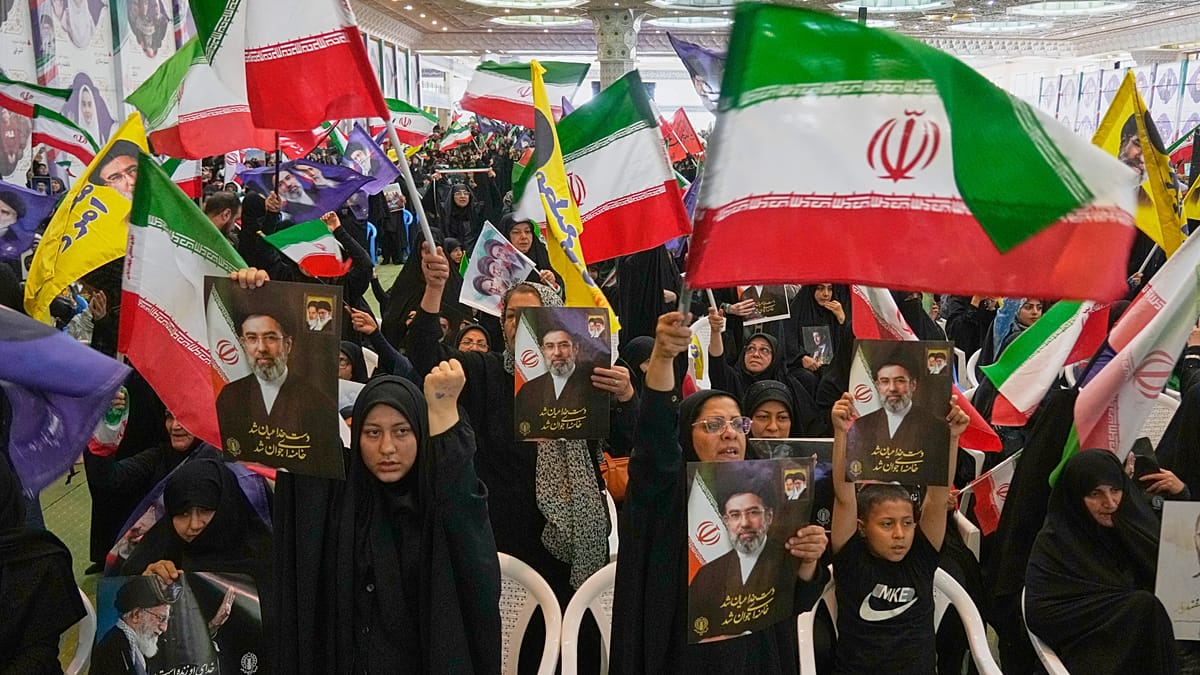 Iran says it targeted a US airbase in retaliatory strikes
euronews.com
Iran says it targeted a US airbase in retaliatory strikes
euronews.com
Iran’s Revolutionary Guards said they fired retaliatory strikes at a US airbase early Thursday after what they described as American pre-dawn attacks near Bandar Abbas Airport in southern Iran. The claim, carried by Iran’s semi-official Tasnim news agency and reported by Euronews, did not name the base that was hit. Kuwait’s military separately said it was responding to hostile missile and drone attacks, though it was not clear from public statements whether those incidents were linked.
The exchange adds a new rung to a cycle that has been tightening by the day: Washington describes its actions as “defensive strikes,” while Tehran frames them as punishment for an “aggression” launched from US positions in the region. According to Euronews, the US said it had carried out a series of defensive strikes against Iran, including shooting down four one-way attack drones in the Strait of Hormuz and targeting a ground control station in Bandar Abbas. The report said the strikes were the second such action within three days, a tempo that leaves little time for back-channel deconfliction and turns each incident into a test of whether the other side will absorb costs without replying.
Even when neither side publishes precise battle damage, the geography matters. Bandar Abbas sits on Iran’s southern coast near the Strait of Hormuz, a choke point for energy shipments where military signaling is hard to separate from economic pressure. A pattern of drone interceptions, control-station strikes and retaliatory missile launches creates uncertainty for commercial shipping and insurers long before any formal closure is announced. Regional states hosting US forces are also pulled into the ledger: their air defenses, public messaging and crisis management become part of the confrontation, while they carry the local risk of debris, misfires and escalation.
The language in the Guards’ statement—calling the response a “serious warning” and promising a “more decisive response” to further US action—narrows the space for quiet climb-downs. At the same time, the US framing of repeated strikes as defensive invites the next round by implying the campaign can continue without a political decision to “go to war.” In practice, repeated limited actions can accumulate into a broader conflict simply because each side has to show it can impose costs.
Iran’s statement put a time on its claimed retaliation—4:50 a.m.—but not a place. In a region dense with bases and air defenses, that omission leaves governments and markets to guess which facilities are now considered legitimate targets.