
US sanctions Cuban security apparatus leadership
State Department targets ministry police and intelligence while warning foreign firms on Cuba sectors, Raúl Castro indictment ceremony scheduled in Miami
Images
 bnonews.com
 bnonews.com
 bnonews.com
 bnonews.com
 bnonews.com
 Raúl Castro’s confession that could lead to a trial in the US: ‘Knock them down into the sea’
english.elpais.com
Raúl Castro’s confession that could lead to a trial in the US: ‘Knock them down into the sea’
english.elpais.com
The US State Department announced a fresh round of sanctions on Monday targeting 11 Cuban officials and three government entities, including the Ministry of Interior, the National Revolutionary Police and the Directorate of Intelligence, according to BNO News. The measures block any property under US jurisdiction and bar US persons from dealings, while warning foreign companies that transactions in sectors such as energy, defence, mining, financial services and security may bring sanctions risk.
The list reaches across the Cuban state’s command chain: police leadership, ministers responsible for justice, energy and communications, senior military figures and the head of the National Assembly. The targets are not obscure mid-level functionaries; they are the kind of officials who sign contracts, allocate scarce fuel and run the internal-security apparatus that keeps the system intact. That matters because Cuba’s economic collapse has turned basic imports into a political instrument: when fuel and electricity are rationed, the agencies that decide who gets power and who sits in the dark become central to social control.
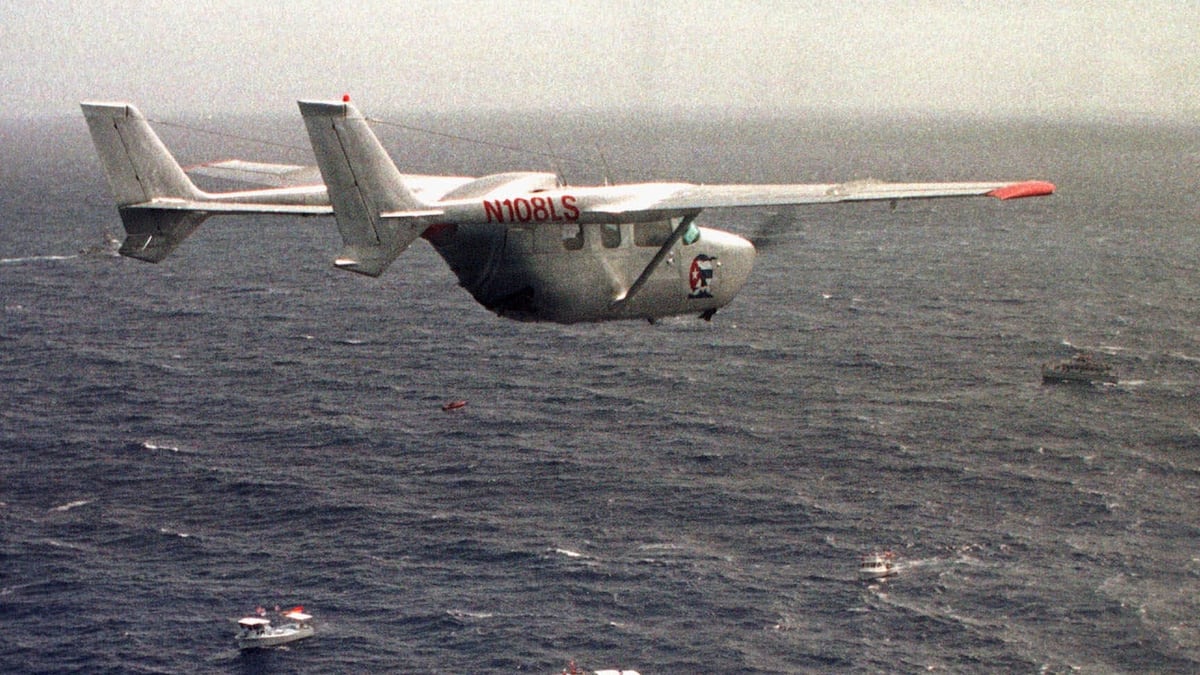
The sanctions also arrive as Washington widens the battlefield from trade and travel restrictions to criminal prosecution. El País reports that the US Justice Department intends to prosecute Raúl Castro over the 1996 downing of two planes flown by Brothers to the Rescue, an exile-linked organisation that carried out search-and-rescue missions in the Florida Straits. The Spanish newspaper cites an 11-minute recording from June 1996 in which Castro discusses orders to shoot the aircraft down, including the instruction to “knock them down into the sea” without consulting superiors.
A formal presentation of the indictment is scheduled in Miami, El País reports, at a ceremony planned for the Freedom Tower. The timing ties legal theatre to the Trump administration’s declared posture that Cuba was “next” after the operation that captured Venezuela’s Nicolás Maduro, an escalation that has already pushed Havana’s crisis into an international bargaining chip. In practice, the US can tighten pressure at low domestic cost: sanctions are paperwork, and prosecutions can be staged in US courts regardless of whether an elderly former leader ever appears in the dock.
For Cuba’s leadership, the costs are less abstract. A sanctions regime that deters third-country transactions makes it harder to pay intermediaries, insure shipments, and keep energy supplies moving—especially when the entities being sanctioned are the same ones that police ports, guard warehouses and monitor communications. That pushes more of the economy into informal channels, where insiders with access to dollars and permissions can profit, and ordinary Cubans face higher prices and longer blackouts.
On Monday, the US sanctioned Cuba’s internal-security ministry and police while preparing to showcase an indictment against a former head of state in Miami.