
Trump calls off planned Iran strike
Gulf leaders urge pause as Hormuz pressure dominates talks, ceasefire survives on shipping risk premiums
Images
 U.S. President Donald Trump speaks to the press aboard Air Force One on 15 May
bbc.com
U.S. President Donald Trump speaks to the press aboard Air Force One on 15 May
bbc.com
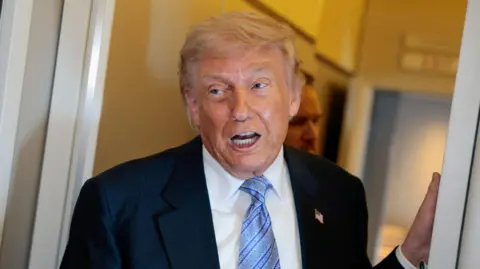 U.S. President Donald Trump speaks to the press aboard Air Force One on 15 May
bbc.com
U.S. President Donald Trump speaks to the press aboard Air Force One on 15 May
bbc.com
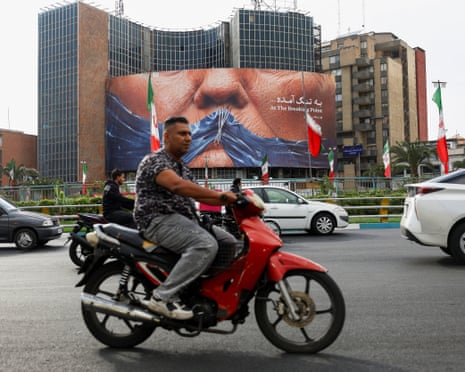 People drive past an anti-US billboard depicting Donald Trump and the strait of Hormuz in Tehran on Sunday. Photograph: Majid Asgaripour/Reuters
theguardian.com
People drive past an anti-US billboard depicting Donald Trump and the strait of Hormuz in Tehran on Sunday. Photograph: Majid Asgaripour/Reuters
theguardian.com
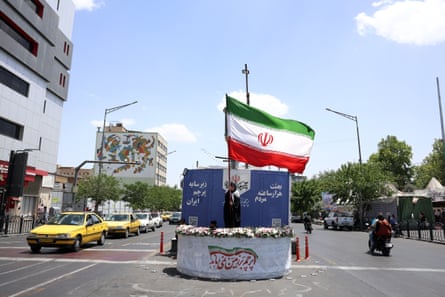 A woman holds Iran's national flag in a street in Tehran on Sunday. Photograph: Abedin Taherkenareh/EPA
theguardian.com
A woman holds Iran's national flag in a street in Tehran on Sunday. Photograph: Abedin Taherkenareh/EPA
theguardian.com
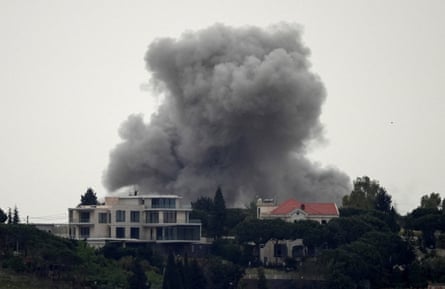 Smoke rises following an Israeli strike in Zebdin, Lebanon, on Monday. Photograph: Reuters
theguardian.com
Smoke rises following an Israeli strike in Zebdin, Lebanon, on Monday. Photograph: Reuters
theguardian.com
Donald Trump said he has called off a planned US military attack on Iran that had been set for Tuesday after leaders of Qatar, Saudi Arabia and the United Arab Emirates asked him to hold back, according to the BBC. Writing on Truth Social, Trump said he had been told a deal would be reached that was “very acceptable” to the United States, while repeating his demand of “NO NUCLEAR WEAPONS FOR IRAN!” Iran has not publicly commented on the latest statement.
The pause lands in a war that has been repeatedly described as both contained and one miscalculation away from widening. The BBC notes that US and Israeli forces began large-scale air strikes on Iran in late February, followed by Iranian drone and missile attacks on Israel and US targets across the Gulf. A ceasefire agreed in April to facilitate talks has “largely been observed” despite sporadic exchanges, but the economic pressure point has remained: Iran’s control of the Strait of Hormuz, the waterway through which around a fifth of the world’s oil and liquefied natural gas normally travels.
The Gulf states’ reported request to halt a new strike reads less like a moral appeal than a balance-sheet intervention. Their ports, refineries, airlines and financial centres sit inside the radius of Iran’s retaliation, and the region’s shipping insurers have been repricing risk with each drone alert and each new rule announced for transit. The Guardian reports that negotiations have been marked by misleading statements from Iran, the US and mediators, and that Tehran has floated concessions such as transferring highly enriched uranium to Russia and reopening Hormuz in phases—claims that regional officials say were part of a new proposal shared via Pakistan.
At the same time, Iranian officials have kept the threat of “management” of the strait on the table, including tolls and permits, while Washington has said it cannot accept payments for passage. That combination—public talk of imminent deals alongside warnings of full-scale assault “on a moment’s notice,” as the BBC paraphrases Trump—creates a bargaining environment where commercial actors pay first and ask questions later.
For now, the new headline is not a signed agreement but a cancelled strike. The strait remains the lever, and the next “very acceptable” deal will still have to be paid for by ships trying to move through it.