
Netherlands identifies 57 PFAS hotspots needing urgent cleanup
Provinces say firms block soil tests on private land, ministry withholds site locations as costs climb
Images
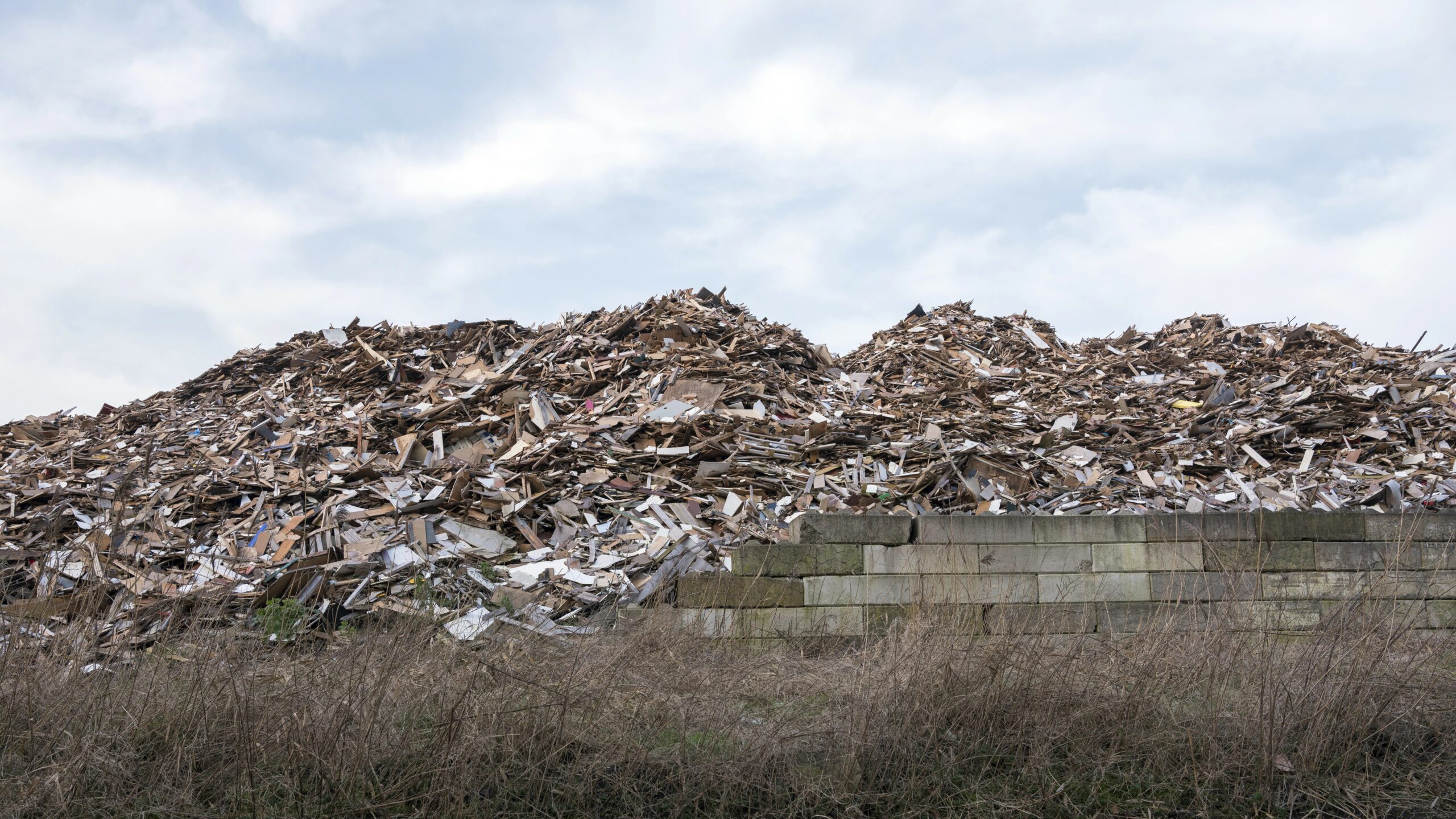 Photo: Depositphotos.com
Depositphotos.com
Photo: Depositphotos.com
Depositphotos.com
Dutch government flags 57 PFAS hotspots for urgent cleanup, provinces report trouble forcing tests on private land, costs mount while site list stays secret
At least 57 sites across the Netherlands are so contaminated with PFAS that they require urgent cleanup, according to an initial inventory published by the Dutch infrastructure ministry and reported by DutchNews.nl. Officials described the list as only the “tip of the iceberg”, after a wider screening by provinces and local authorities identified around 4,000 potentially contaminated locations, with about 600 selected for deeper investigation.
The worst-affected sites are largely tied to PFAS-containing firefighting foam, DutchNews.nl reports, with other locations linked to former carpet factories, paper mills, fire brigade and defence training grounds, and waste tips. Around three-quarters of the 57 sites are still waiting for cleanup work to begin. The provincial body IPO has estimated the cost of cleanups already underway at around €68 million, while warning that the figure is likely only a fraction of the total bill; earlier reporting put the first 28 projects at almost €70 million.
The friction point is enforcement. Provinces and local authorities told DutchNews.nl they are struggling to compel companies to allow soil testing on private land, a practical barrier when contamination is suspected but not yet documented. The infrastructure ministry had previously denied that access for soil testing was a problem, but when asked whether the government would act to resolve it, the ministry could not provide an answer. The ministry also has not released the locations of the 57 sites, limiting outside scrutiny and leaving residents and local councils to work from partial information.
PFAS—thousands of synthetic compounds that barely degrade in the environment—have been linked in research to cancer, immune system damage, and harm to fertility and unborn children. In the Netherlands, the emerging picture is of a long tail of liabilities: industrial and municipal activities that generated the contamination, landowners who can refuse access, and public authorities that can publish inventories without yet showing who will pay for the remediation.
Junior environment minister Annet Bertram said the ministry aims to have a clearer picture of affected sites and cleanup costs by 2028, with a “programmatic approach” to cleanup planned only after 2030. For now, the government has published a national count of urgent hotspots while keeping the map off the table.